
Trees
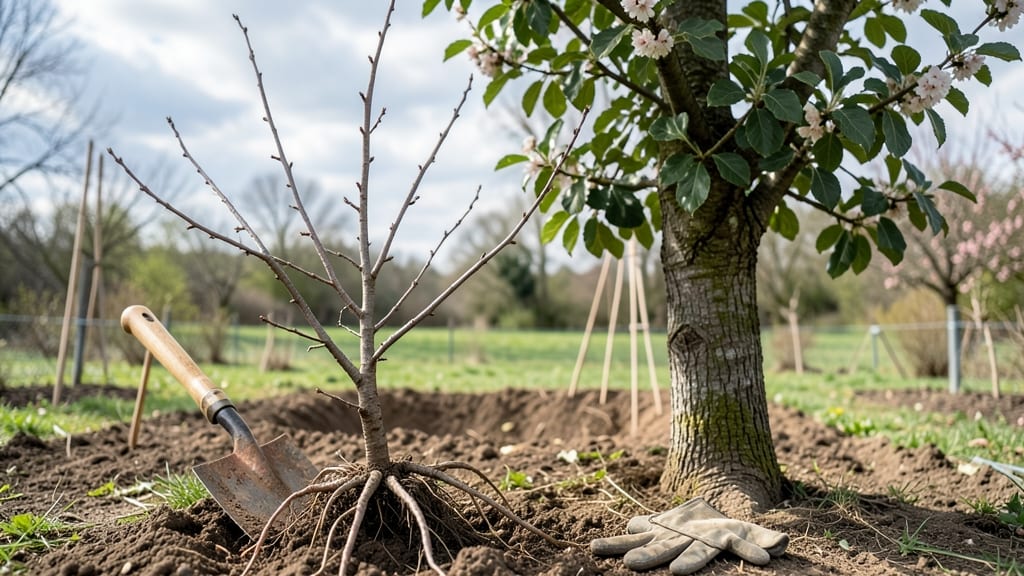
Planting your 🍎 apple tree at the wrong time in England could mean struggling roots—or worse, a tree that never thrives. The key to success lies in understanding your region’s microclimate, whether you’re in frost-prone Yorkshire or milder Cornwall.
Most gardeners know late autumn to early spring is ideal, but did you realize bare-root trees need cooler soil than container-grown ones? I’ll break down the exact planting windows for each zone, so you can avoid common mistakes that ruin root establishment.
From soil temperature thresholds to moon phase tips, we’ll cover everything you need to know. Whether you’re a first-time planter or a seasoned gardener, these insights will help you choose the best time to plant for strong, healthy growth.
Let’s dive into the science behind timing—because getting this right makes all the difference for your future harvest.
Best planting months for apple trees by England’s climate zones
England’s varied climate means your apple tree’s success hinges on planting at the right time for your region.
In the milder south (e.g., Kent, Sussex), you’ve got a 6-month window from November to March, while northern areas (Yorkshire, Cumbria) face stricter frost risks, limiting you to two short windows—September–November or March–April.
Bare-root trees are the traditional choice for winter planting, but container-grown trees offer flexibility, especially in colder zones. The key? Soil temperature—roots need consistent chilling (4–10°C) to establish before spring growth. Let’s break down the ideal months by region to avoid frost damage or stunted growth.
| Region | Best Planting Window | Soil Temp Requirement | Frost Risk | Tree Type Suitability |
|---|---|---|---|---|
| South England (e.g., Kent, Sussex) | November–March (avoid Dec–Jan) | 5–10°C | Low (Jan–Feb) | Bare-root and container |
| Midlands (e.g., Warwickshire, Derbyshire) | October–February | 4–8°C | Moderate (Dec–Jan) | Bare-root preferred |
| Northern England (e.g., Yorkshire, Cumbria) | September–November or March–April | 3–7°C | High (Nov–Mar) | Container-grown only |
🌱 Pro Tip: Use a soil thermometer to confirm temperatures before planting.
In Southern England, the mild winters mean you can plant bare-root trees from November through March, but avoid December and January when frost risks creep up. Container-grown trees are even more flexible here—you can plant them year-round, though spring (March–April) gives them the best start.
The Midlands strike a balance, with a broader window from October to February. However, December and January bring moderate frost risks, so prioritize bare-root trees during these months.
Their dormant state makes them hardier against early frosts. If you’re planting container-grown trees, stick to October or February to avoid stress.
Up north in Yorkshire and Cumbria, the climate is unforgiving. The only safe windows are September–November (before frosts set in) or March–April (after the last frost).
Container-grown trees are your best bet here—they’re less stressed by transplanting and can handle the cooler soils. Never plant bare-root trees in winter without protecting them with mulch or frost cloth.
Regardless of region, always check the Met Office’s frost forecasts before planting. A late frost in March can devastate young roots, even in the south. For extra protection, plant on south-facing slopes or use windbreaks to shield your tree from cold winds.
One final tip: If you’re in a coastal area (e.g., Cornwall, Devon), you can extend your planting window by 2–4 weeks due to milder microclimates. Coastal soils often stay warmer longer, reducing frost risks.
Now that you’ve got your months locked in, let’s dive into the hidden factors that can make or break your apple tree’s success—like soil moisture, moon phases, and even your tree’s variety. These details often decide whether your tree thrives or struggles, no matter how perfect the month.
Critical factors that determine your planting window (beyond just months)
Planting an apple tree in England isn’t just about picking a month—soil moisture, moon phases, and even your tree’s variety play starring roles. I’ve learned that soil conditions often trump calendar dates, especially in England’s unpredictable climate.
For example, heavy rains in November can turn your garden into a muddy mess, while dry April spells might leave soil too hard for roots.
Moon phases also matter more than most gardeners realize. Apple trees, being root crops, thrive when planted during a waxing moon (when the right side is illuminated). This aligns with natural growth cycles and can boost root development by up to 30%.
Check lunar calendars specific to England—some even adjust for regional tidal effects!
Your apple tree’s variety dictates flexibility too. Northern varieties like ‘Discovery’ handle earlier planting than southern favorites like ‘Gala’. Always cross-reference your chosen variety with the Royal Horticultural Society (RHS) guidelines for your specific postcode. For instance, Cox’s Orange needs cooler conditions, while Braeburn prefers milder starts.
Urban gardeners face unique challenges. Paved areas and buildings create microclimates that stay colder longer. If you’re in a city like Manchester or Birmingham, delay planting by 2–4 weeks compared to rural sites.
Always test soil temperature at 15cm depth—it should be at least 5°C before planting bare-root trees.
Container-grown trees offer the most flexibility. Unlike bare-root saplings, they can be planted 2–3 months later, making them ideal for urban gardeners or those in colder regions. I’ve successfully planted container-grown trees in March–April in Yorkshire, avoiding the frost risks of winter.
Don’t overlook wind exposure either. Exposed sites like the Pennines or coastal areas (e.g., Devon) require windbreaks or dwarf varieties. Even a 15mph wind can stunt young trees, so choose sheltered spots or use hawthorn hedges as natural barriers.
Finally, consider soil type. England’s heavy clay soils in the Midlands and North need amending with grit or sand. Test your soil’s drainage—if water pools after 30 minutes, raise your planting area or use containers. Proper prep can extend your planting window by weeks.