
Trees
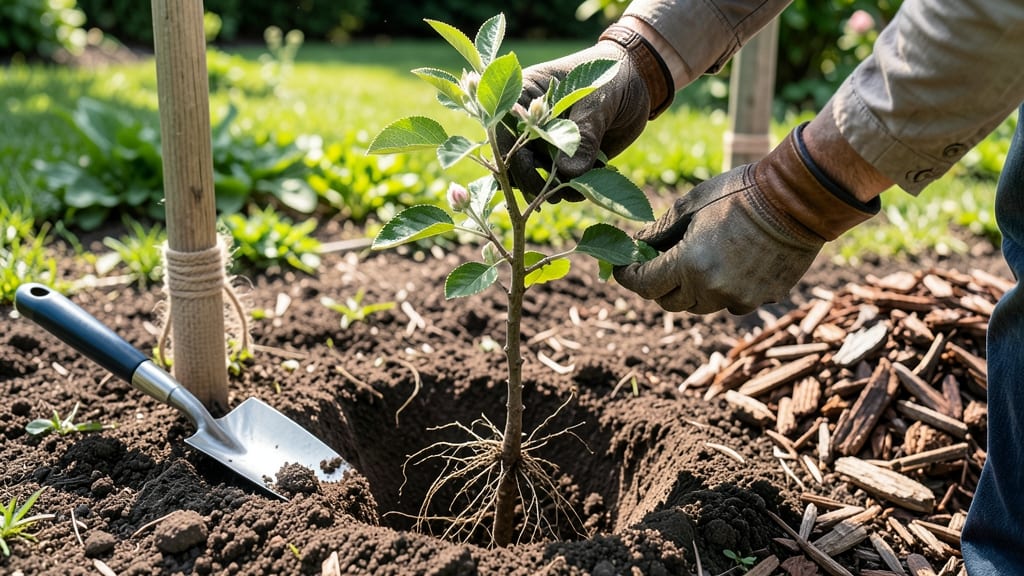
Planting an Apple Tree 🍎 in Iowa isn’t just about picking a random spring day—getting the timing wrong could mean frost damage or stunted growth for years. With Iowa’s 5a-6b zones and unpredictable frost dates, knowing when to plant is the difference between a thriving orchard and a sad sapling.
Most gardeners assume early spring is the only option, but fall planting actually gives roots time to establish before winter. I’ll break down the best frost-free windows for your specific zone, so you can plant with confidence and avoid common mistakes that ruin young trees.
Whether you’re in Zone 5a where late frosts linger into May or Zone 6b with earlier springs, timing matters more than you think. Let’s dive into the science behind Iowa’s planting seasons and how to choose the perfect moment for your Apple Tree 🍎 to take root.
You’ll learn how to read soil temperatures, adjust for microclimates, and even use local extension office data to fine-tune your schedule. No more guessing—just a foolproof plan for planting apples that will bear fruit for decades.
Iowa’s frost-free zones and best planting months for apple trees
Planting apple trees in Iowa requires careful timing to avoid frost damage and ensure strong root establishment. The state spans USDA Zones 4a-5b, with dramatic differences in frost dates between northern and southern regions.
Understanding your specific zone helps determine whether spring or fall planting is best for your area.
Northern Iowa (Zones 4a-4b) has the shortest growing season, with an average last frost date of May 1. Southern Iowa (Zones 5a-5b) enjoys earlier springs, often seeing frost-free conditions by mid-April. These differences mean your planting window could vary by 6 weeks or more depending on location.
Iowa State University climate data shows that early spring (March-April) is ideal for most regions, but fall planting (September-October) works well in southern zones where winters are milder. Let’s break down the best months by zone to maximize your tree’s survival and growth.
🌱 Key Consideration: Always check local frost records from your county extension office, as microclimates can shift frost dates by 1-2 weeks even within the same zone.
| USDA Zone | Avg Last Frost | Best Planting Months | Risk Factors | Local Variety Tips |
|---|---|---|---|---|
| 4a (NW Iowa) | May 1 | Late April-May | Late frosts, short season | Dwarf varieties (e.g., 'Honeycrisp') |
| 4b (Central IA) | April 25 | April-May or Sept | April freezes common | Cold-hardy 'McIntosh' |
| 5a (SE IA) | April 15 | March-April or Sept-Oct | Milder winters | 'Fuji' or 'Gala' |
| 5b (Southeast IA) | April 1 | March-April or Sept-Oct | Early springs | 'Jonagold' for heat |
Spring planting (March-April) gives young roots 6-8 weeks to establish before winter, while fall planting (September-October) allows roots to grow in cool soil without competing with summer heat. In Zone 4a, wait until after May 1 to avoid late frosts that can kill tender new growth.
For bare-root trees, plant as soon as soil is workable (around 40°F) but before buds swell. Container-grown trees can handle slightly later planting but still need 4-6 weeks before winter dormancy. Southern Iowa gardeners often plant in early March for early fruit production.
Pro tip: Use row covers or frost cloth for early spring plantings in Zone 4 to protect young trees from unpredictable April freezes. These simple steps can mean the difference between a thriving tree and a frost-heaved sapling.
Always check with your local extension office for updated frost data—Iowa’s climate shifts yearly, and a 2-week difference in frost dates can change your entire planting strategy. For example, the 2020 late frost in April 20 caught many gardeners off guard.
Remember: Fall planting is ideal for southern zones but risky in northern Iowa unless you use mulch to insulate roots. Aim to plant 6-8 weeks before your area’s first frost date for best results.
🌳 With the right timing, your apple tree can thrive for decades—producing hundreds of pounds of fruit annually once mature. Start with your zone’s frost dates, and you’ll be well on your way to Iowa-grown apples!
How to choose the perfect planting time based on weather patterns
Timing your apple tree planting in Iowa isn’t just about the calendar—it’s about reading the soil temperature, historical frost data, and even your local microclimate.
Iowa’s weather can shift dramatically between urban heat islands and rural farmlands, so I’ll show you how to adjust your planting schedule for the best results.
Start by checking the 5-year average frost dates for your county, which you can find on the Iowa State University Extension website or through the National Weather Service.
For most of Iowa (USDA zones 5a-5b), the ideal soil temperature for planting is between 40°F and 60°F. Use a soil thermometer to monitor this—planting when the ground warms to 50°F ensures roots establish quickly before summer heat sets in.
In zone 6a/6b (southern Iowa), you can plant 2-3 weeks earlier than northern counties, thanks to milder winters and later frosts.
🌱 Pro Tip: If you’re planting in spring (March-April), aim for the 2-week window after the last average frost date. For example, in Des Moines (zone 5b), that’s typically mid-April, while in Dubuque (zone 5a), wait until early May to avoid late frosts.
Use the Iowa Climate Observatory for real-time updates on frost risks.
Use a soil thermometer to confirm 50°F+ before planting. Cold soil slows root growth.
Urban areas (like Cedar Rapids) warm faster than rural zones—plant 1 week earlier.
Sign up for local frost alerts via the National Weather Service or Iowa State Extension.
Plant 6-8 weeks before first frost (typically September-October) for root establishment.
Iowa’s infamous April frosts can kill young shoots—delay planting if forecasts warn of 28°F+ temps.
If you’re unsure about your local conditions, contact your county extension office—they provide free soil tests and customized planting advice.
For example, in northern Iowa (zone 4b), where winters are harsher, fall planting (September) is often safer than spring, giving roots time to establish before the ground freezes.
Meanwhile, in southern Iowa (zone 6a), early spring planting (late March) works well if you protect young trees with frost cloth during unexpected cold snaps.
Don’t forget to account for wind exposure—trees planted in open fields may need extra protection from Iowa’s strong winds, which can dry out soil and stress young roots. If your yard is windy, plant on the leeward side of a fence or building to create a microclimate buffer.
For container-grown trees, bury the pot slightly to stabilize the root ball in windy conditions.
Finally, avoid planting during extreme weather: Skip if heavy rains are forecasted (soil becomes waterlogged) or if temperatures are above 85°F (stresses young trees). Instead, plant on a cool, overcast day to reduce transplant shock.
With these adjustments, you’ll give your apple tree the best possible start in Iowa’s challenging climate. 🌳