
Trees
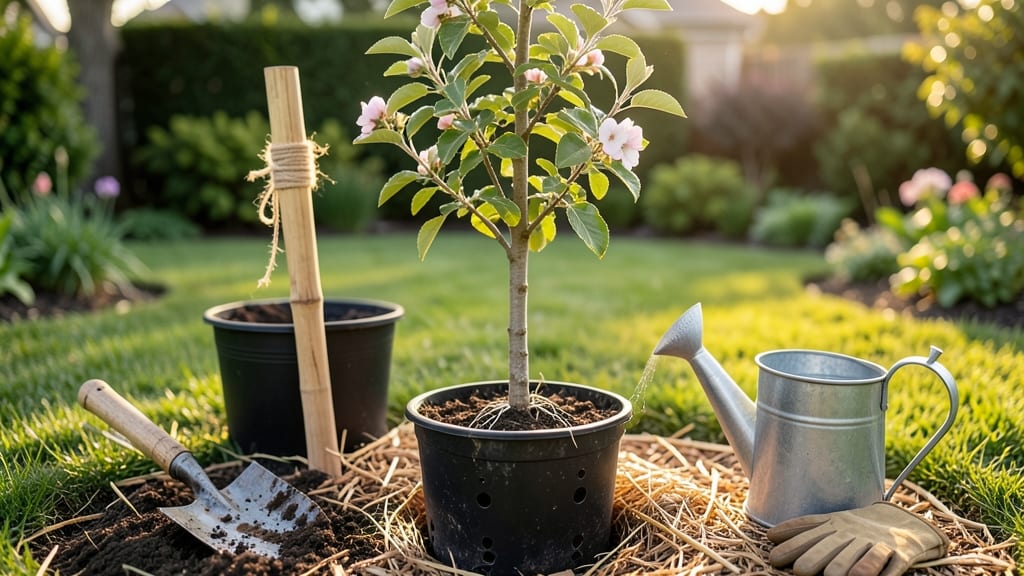
Planting an apple tree 🍎 in Oregon isn’t just about picking a month—it’s about outsmarting the region’s tricky microclimates, from the Willamette Valley’s damp chill to the desert’s sudden heat waves.
Get it wrong, and your young tree could struggle with frost damage or stunted growth before it even bears fruit.
I’ve seen firsthand how a two-week timing difference can mean the difference between a thriving orchard and a sad, struggling sapling. The key? Understanding when your specific zone—whether it’s Portland’s 7b or Bend’s 5a—is ready for planting, not just following a generic calendar.
In this guide, I’ll break down the exact planting windows for Oregon’s five major apple-growing regions, plus how to adjust for your backyard’s unique conditions.
You’ll learn when to plant bare-root trees (hint: it’s not just spring) and how to prep your soil for maximum success—because even the hardiest Gala or Fuji needs the right start.
Ready to set your apple tree up for a lifetime of harvests? Let’s dive into the science—and secrets—of planting at the perfect moment.
Best planting months for Oregon’s 5 key apple-growing regions
Oregon’s apple-growing regions each have unique last-frost dates and microclimates, making timing critical. The Willamette Valley and Columbia Gorge offer earlier planting windows, while Eastern Oregon and Coastal Oregon require later adjustments. Understanding these regional differences ensures your trees establish strong roots before summer heat arrives.
For bare-root trees, the ideal window is late winter to early spring (February–April), but container-grown trees can be planted year-round in mild climates. Below, I’ve broken down the best month-by-month planting windows for Oregon’s top 5 apple-growing zones, including soil temperature and chill hour considerations.
🌱 Pro Tip: Always check your local USDA Zone (7b–9a in Oregon) and last-frost averages—Portland’s last frost is typically March 15, while Medford’s lingers until April 1. Use these as your baseline, then adjust for elevation or frost pockets.
The Willamette Valley (e.g., Portland and Eugene) has the earliest planting window, with February–March ideal for bare-root trees. Soil temperatures here warm quickly, but frost pockets in low-lying areas can delay planting until after March 15.
For container-grown trees, you can plant as late as May, but expect slower root establishment.
In Eastern Oregon (e.g., Bend and La Grande), wait until April–May to avoid late frosts. These areas have higher chill hours (1,200+), perfect for cold-hardy varieties like ‘Granny Smith’. Use mulch to protect roots if planting early, as soil stays cooler longer at higher elevations.
🌡️ Key Consideration: Soil temperature is just as critical as frost dates. Apple roots need soil at 45–55°F to thrive. Use a soil thermometer to confirm—planting when soil hits 50°F ensures strong root growth before summer heat arrives.
If you’re in Coastal Oregon (e.g., Astoria or Cannon Beach), aim for March–April, but be cautious
How to adjust planting timing for your specific microclimate
Oregon’s microclimates can shift planting windows by weeks—even within the same county. For example, Medford’s Rogue Valley has a last-frost date of April 1, while Bend’s high desert averages May 15.
If you’re unsure about your exact zone, check the USDA Plant Hardiness Zone Map and add a 500-foot elevation adjustment for every 3°F cooler temps.
Start by testing your soil temperature—apple roots need 45°F+ to establish. Use a soil thermometer buried 4 inches deep for 3 days.
If temps fluctuate below this, delay planting until conditions stabilize. Container-grown trees offer flexibility here; they can go in 2-4 weeks earlier than bare-root varieties since their roots aren’t exposed to cold.
🚨 WARNING: Planting too early risks root freeze, while late plantings may delay fruit production by 1-2 years. Use frost blankets or row covers if you must plant in February—but remove them by March 15 to prevent overheating.
For high-elevation sites (e.g., Mount Hood foothills), aim for late April when snowmelt warms the soil.
Critical Timing Mistakes in Oregon
- Planting bare-root trees after buds swell (March 15+ in most zones) → Root stress and poor establishment.
- Ignoring cold air pockets (e.g., valley floors) → Late frosts can kill blossoms in April.
- Over-mulching in winter → Traps moisture, causing root rot in wet climates like the Willamette Valley.
- Skipping soil prep in clay-heavy areas (common in Eastern Oregon) → Poor drainage stunts growth.
For urban gardeners in cities like Portland, where microclimates vary by blocks, observe your neighbors’ trees. If their cherry blossoms (which bloom 2 weeks before apples) are already dropping petals by late March, it’s safe to plant.
In drier regions like Hood River, prioritize drought-tolerant varieties and plant 1-2 weeks later to avoid summer water stress.
Adjust your watering schedule based on planting time: Trees planted in February need daily watering for the first 2 weeks, while April plantings can start with every-other-day soaks.
Use drip irrigation to keep moisture consistent—surface watering can wash away nutrient-rich topsoil, especially in sandy soils (common in Coastal Oregon).
Pro tip: Mark your planting date on a calendar and note the first bloom of your tree. If blossoms appear before May 1 in most zones, you’re at risk for late frosts.
In that case, consider delaying planting by 2-3 weeks or choosing later-blooming varieties like ‘Granny Smith’, which tolerates cooler springs better than ‘Gala’.