
Planting
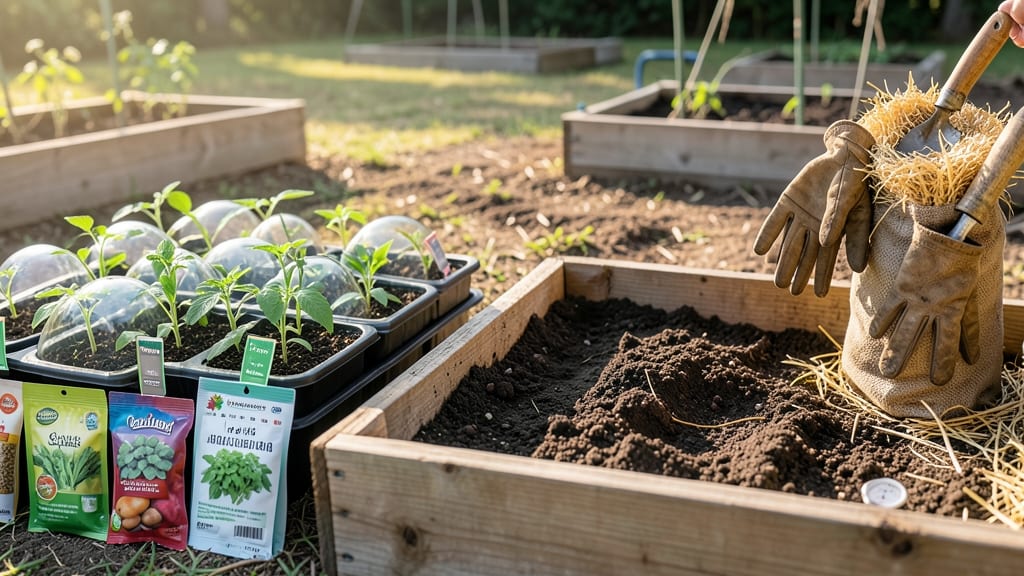
When to plant a garden in Alabama is the key to unlocking a thriving harvest—because timing here means the difference between a lush, productive plot and a sad, wilted disappointment. The 7a-8b climate gives you two perfect windows—spring and fall—but getting it wrong can mean lost harvests or struggling plants.
I’ve spent years watching Alabama gardens thrive (and sometimes fail), and the secret isn’t just about soil or seeds—it’s about knowing exactly when to plant. Whether you’re in Birmingham’s cooler hills or Mobile’s humid coast, the last frost date and heat tolerance of your crops are the real game-changers.
In this guide, I’ll break down the exact months to plant by region, so you can skip the guesswork. From sweet potatoes to azaleas, we’ll cover what grows best in Alabama’s unpredictable weather—plus how to adjust for your microclimate.
Ready to turn your yard into a productive 🌱 paradise? Let’s get started with the planting schedule that actually works for Alabama’s unique growing seasons.
Alabama planting calendar by region: exact months for zero-frost success
Alabama’s diverse climate—from the cooler Appalachian foothills to the humid Gulf Coast—means your planting schedule should match your USDA zone (7a-8b) and microclimate. Whether you’re in North Alabama (Birmingham), Central Alabama (Montgomery), or South Alabama (Mobile), timing is everything to avoid frost damage or scorched seedlings.
Let’s break down the exact months to plant for each region, using last frost dates and soil temperature as your guides.
For cool-season crops like lettuce, spinach, and broccoli, start seeds indoors 4-6 weeks before your last frost date. In North Alabama, that’s typically mid-February to early March, while South Alabama can begin as early as late January.
Warm-season crops—think tomatoes, peppers, and squash—need to wait until the soil reaches 60°F+, usually 2-3 weeks after last frost, which ranges from mid-March in North Alabama to early February in South Alabama.
Here’s how to align your planting with Alabama’s three key regions, including frost-free windows and soil prep tips:
Don’t overlook fall planting, which is just as critical in Alabama. Cool-season crops like kale, carrots, and radishes thrive when planted 8-10 weeks before first frost (typically August-September). In North Alabama, aim for late August, while South Alabama can extend planting until early October.
Use row covers to protect young plants from unexpected light frosts that can linger into November.
Pro tip: Use a soil thermometer to confirm warmth before planting warm-season crops. In North Alabama, soil may stay cool until late April, delaying tomatoes or peppers.
Meanwhile, South Alabama’s earlier soil warming lets you plant okra and sweet potatoes as soon as mid-February. Adjust for microclimates, too—low-lying areas may frost later than hillsides.
For perennials and trees, Alabama’s mild winters allow planting year-round, but early spring (March-April) or fall (October-November) gives roots time to establish before extreme heat or cold. Azaleas and camellias, for example, prefer acidic soil and should be planted in fall to avoid summer stress.
Always amend soil with compost or peat moss to improve drainage, especially in clay-heavy Central Alabama.
Remember: Alabama’s humidity and sporadic rain can create ideal conditions for fungal diseases like powdery mildew. Space plants properly and water at the base (not overhead) to keep foliage dry. In summer heat, mulch heavily to retain moisture and protect roots from temperature swings.
Start with these region-specific dates, and your Alabama garden will reward you with bountiful harvests—whether you’re growing collard greens in North Alabama or sweet corn in South Alabama. Adjust as you learn your local microclimate, and soon you’ll master the art of zero-frost planting!
Best crops to plant in Alabama by season: what thrives in spring vs. fall
Alabama’s long growing season and humid subtropical climate create perfect conditions for vibrant gardens year-round. But not all crops thrive in every season—spring favors cool-loving plants, while fall extends harvests with heat-tolerant varieties. Let’s break down the best crops for each season and how to maximize your yields.
In spring, focus on cool-season crops like lettuce, spinach, and broccoli. These plants need 4-6 weeks before last frost (typically mid-March in North Alabama, earlier in the South).
Meanwhile, fall is ideal for warm-season crops like tomatoes, peppers, and sweet potatoes, which need 2-3 weeks after last frost to establish roots before summer heat arrives.
🌱 Spring Planting Guide:
- Lettuce (30-50 days): Plant in February-March for early harvests.
- Spinach (40-50 days): Thrives in cool soil (50-60°F).
- Broccoli (60-90 days): Start seeds 4-6 weeks before last frost.
- Peas (60-70 days): Perfect for early spring and fall.
- Marigolds (60-75 days): Deter pests and bloom all season.
- Pansies (60-90 days): Tolerate light frost and add color.
- Sweet Alyssum (45-60 days): Fragrant and drought-tolerant.
Extend harvests by sowing lettuce or radishes every 2 weeks in spring.
For fall planting, prioritize heat-tolerant crops that mature before first frost (mid-November in North Alabama). Sweet potatoes, collard greens, and kale are standout choices. Start seeds in August for a September-October harvest, or transplant seedlings in late July for a quicker turnaround.
🍅 Fall Planting Guide:
- Tomatoes (60-85 days): Plant transplants in August for fall harvests.
- Peppers (60-90 days): Choose heat-tolerant varieties like 'Cayenne'.
- Sweet Potatoes (90-120 days): Plant slips in July-August.
- Collard Greens (50-60 days): Thrives in cool fall weather.
- Zinnias (60-70 days): Blooms until first frost.
- Cosmos (60-75 days): Drought-resistant and self-seeding.
- Sunflowers (60-90 days): Plant late summer for fall color.
Use row covers in fall to extend harvests by 2-3 weeks.
Don’t overlook perennials and herbs, which thrive in Alabama’s climate. Rosemary, thyme, and lavender are drought-tolerant and perfect for year-round harvests. Plant them in spring or fall for the best establishment.
Alabama’s humidity and heat can stress plants, so always mulch to retain moisture and water deeply in the morning. With the right seasonal lineup, your garden can produce abundant harvests from spring to fall—without the guesswork.