
Companion Plants
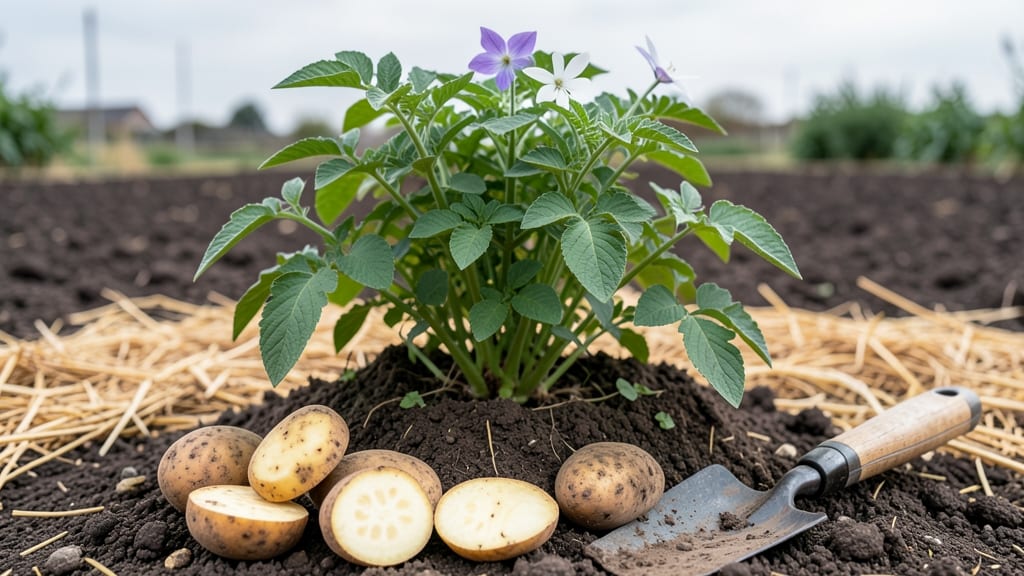
When can I plant potatoes in Zone 7b? Timing your 🥔 potato planting wrong could mean the difference between a thriving harvest and wasted effort. The key to success lies in understanding your local frost dates and soil conditions—because potatoes need consistent warmth to grow properly.
Most gardeners in Zone 7b plant their 🥔 potatoes between February and March, but the exact timing depends on when your last frost date falls. Planting too early risks frost damage, while waiting too long shortens the growing season.
I’ll break down the best windows and how to adjust for unpredictable weather.
You’ll also discover which potato varieties thrive in Zone 7b’s short season and how to prepare your soil for maximum yield. Whether you’re a first-time gardener or a seasoned pro, these tips will help you avoid common mistakes and grow healthy, abundant potatoes.
Let’s dive into the exact dates and strategies to ensure your 🥔 potatoes get the perfect start—so you can enjoy a bountiful harvest come summer.
Zone 7b potato planting dates: exact timeline for frost-free success
In Zone 7b, where the average last frost date falls around March 15, timing your potato planting correctly is critical. Plant too early, and you risk frost damage to tender sprouts; plant too late, and your harvest window shrinks.
The sweet spot? Aim for 2-4 weeks before your last frost, typically between mid-February and early April.
Potatoes thrive in cool soil—ideally between 45°F and 55°F—which is why early spring planting works best. If your soil stays cold longer, consider cold-hardy varieties or use row covers to protect young plants.
For a second harvest, some gardeners plant late-season varieties in July for a fall crop, but this requires careful planning.
Here’s the exact timeline for Zone 7b potato planting, broken down by phase to ensure frost-free success:
| Planting Phase | Zone 7b Timeline | Key Notes |
|---|---|---|
| Chit Seed Potatoes | Early February | Place in bright, cool spot (60°F) to sprout 1-inch shoots before planting. |
| Early Planting Window | Mid-February to Early March | Best for early-maturing varieties (60-90 days). Soil should be 45°F+. |
| Standard Planting Window | Late March to Early April | Avoid if frost risk remains. Ideal for mid-season varieties (90-110 days). |
| Late Planting Window | Early to Mid-April | Risky unless using row covers. Best for late-maturing varieties (110+ days). |
| Second Harvest (Fall) | Early July | Plant early-maturing varieties for a fall harvest before first frost (Nov 15). |
Pro tip: Use a soil thermometer to confirm your soil is 45°F+ before planting. Cold soil slows germination, leading to uneven sprouting or rot. If your soil is still too cold, wait 1-2 weeks or use black plastic mulch to warm it faster.
Another critical factor is daylength. Potatoes need 12-14 hours of daylight to thrive, which is why spring planting aligns perfectly with Zone 7b’s increasing daylight. If you’re planting in late April, monitor your plants closely for signs of heat stress, like wilting or yellowing leaves.
For container growing, adjust your timeline slightly. Pots warm up faster, so you can plant 1-2 weeks earlier than in-ground. Just ensure your containers have drainage holes and are placed in a sunny spot. I’ve had great success with 5-gallon buckets for bush varieties like ‘Red LaSoda’.
Finally, don’t forget about succession planting. In Zone 7b, you can stagger plantings every 2-3 weeks from February to April to extend your harvest. This works especially well for new potatoes, which mature faster and can be harvested as soon as they’re 2-3 inches wide.
By following this Zone 7b potato planting timeline, you’ll avoid the most common mistakes—like planting too late or ignoring soil temperature—and set yourself up for a bountiful, frost-free harvest.
Zone 7b potato planting dates: exact timeline for frost-free success
In Zone 7b, where last frost typically arrives around March 15, timing your potato planting is everything. Plant too early, and you risk frost damage to tender sprouts. Wait too long, and your harvest window shrinks.
The key is to start planting 4-6 weeks before your last frost date, usually between mid-February and early March for most varieties.
For a continuous harvest, many gardeners in Zone 7b plant potatoes in two batches: the first in late February and the second in early April.
This staggered approach ensures you have fresh tubers from early summer through late fall. Early varieties like Yukon Gold or Red Norland are ideal for this strategy.
Soil temperature is just as critical as air temperature. Potatoes thrive when soil reaches 45°F (7°C). In Zone 7b, this usually happens by mid-March, but cooler microclimates may need a head start. Use a soil thermometer to confirm before planting—cold soil slows germination and delays harvests.
| Planting Window | Ideal Varieties | Days to Harvest | Soil Temp |
|---|---|---|---|
| Late February | Early: Red Pontiac, Kennebec | 60-75 days | 45°F+ |
| Early March | Mid-season: Yukon Gold, Russet | 90-100 days | 50°F+ |
| Early April | Late: Purple Viking, German Butterball | 100-120 days | 55°F+ |
If you're planting in containers or raised beds, warm up the soil faster by covering with black plastic mulch a week before planting. This trick can shave off critical days, especially if your Zone 7b spring arrives late. Just remove the mulch once sprouts appear to prevent overheating.
For a second crop, some gardeners attempt a fall planting in Zone 7b, but this is risky due to early frost around November 15.
If you try it, use fast-maturing varieties like Early Girl and plant no later than July 15, giving tubers 90 days to mature before frost.
Pro tip: Mark your last frost date on your calendar and count backward. For Zone 7b, aim to have 60-90 days of frost-free growing time left after planting. This ensures your potatoes reach maturity before cooler weather sets in—guaranteeing a harvest, not just a wish list!