
Plants
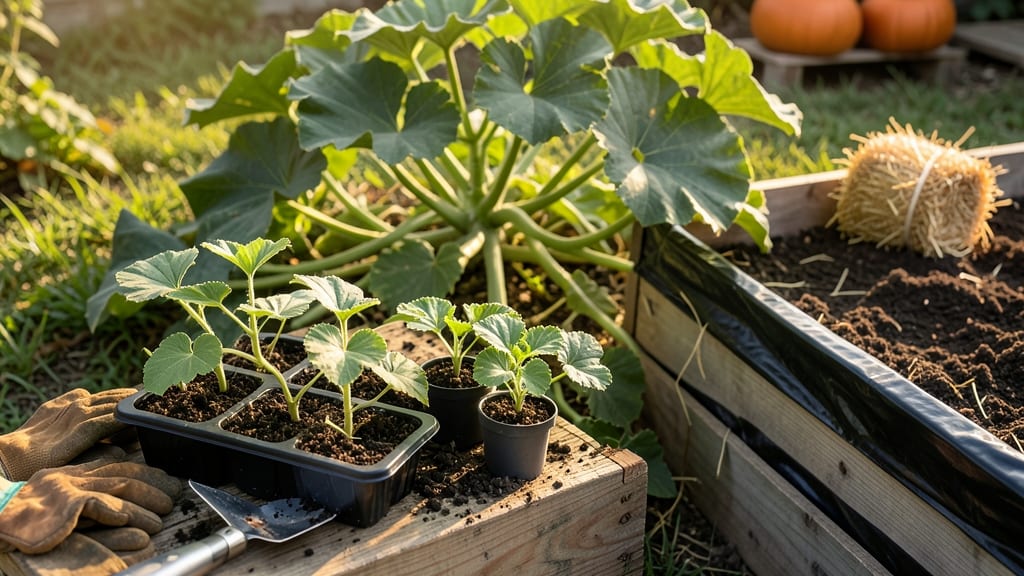
Timing your pumpkin planting in Utah isn’t just about the calendar—it’s about beating the frost in your specific microclimate. Whether you’re in the Wasatch Front’s urban heat pockets or the high desert’s cooler air, getting it wrong means lost harvests or stunted vines.
The key is planting when soil temperatures hit 60°F and frost-free days stretch ahead.
I’ve seen gardeners in Cache Valley rush their seeds only to watch frost nip tender shoots, while those in Southern Utah’s warmer zones miss the boat by waiting too long.
Utah’s diverse growing conditions demand precision, and the right window can mean the difference between a bumper crop and a disappointing yield. Let’s break down the exact dates and strategies for your corner of the state.
You’ll learn how to adjust for Utah’s unpredictable swings—from sudden cold snaps to heatwaves that stress young plants. We’ll cover soil prep, frost watch tools, and even backup planting plans for high-altitude areas.
By the end, you’ll know exactly when to plant for zero-frost success, no matter where you garden.
Ready to grow pumpkins that thrive? The first step is understanding your local climate’s quirks—and I’ve got the science-backed timeline to help you nail it. Let’s get those seeds in the ground at the perfect moment.
Utah’s pumpkin planting calendar by microclimate Zone
Utah’s five distinct microclimates create wildly different conditions for pumpkin growers. The Wasatch Front (Salt Lake City) enjoys longer frost-free seasons, while Southern Utah (St. George) bakes under early heat.
Even Cache Valley (Logan) has its own frost quirks. To nail your planting window, we’ll break it down by zone—plus soil temperature thresholds that make all the difference.
Pumpkins thrive when soil hits 60°F (15°C) and stays there. In Utah, this typically means waiting until mid-May to early June, but your exact timing depends on elevation and local patterns.
For example, St. George gardeners can plant as early as late March, while high-desert areas like Price might wait until late May. Always use a soil thermometer to confirm readiness—cold soil stunts growth.
Here’s the critical rule: Count back 75-90 days from your average first frost date (USU Extension provides zone-specific data). For most Utahans, that lands in late May to early June.
But if you’re in Zone 5 (northern Utah), aim for June 1-15 to avoid late frosts. Pro tip: Use black plastic mulch to warm soil faster in cooler zones.
| Zone | Avg. Last Frost | Ideal Planting Window | Soil Temp Threshold | Key Notes |
|---|---|---|---|---|
| Wasatch Front (Zones 6-7) | May 1-15 | May 15-June 1 | 60°F+ | Urban heat islands warm soil faster; watch for late frosts. |
| Cache Valley (Zone 5) | May 10-20 | June 1-15 | 65°F+ | High elevation delays warming; use row covers for early starts. |
| Southern Utah (Zones 8-9) | Feb 15-Mar 1 | Late March-April | 55°F+ | Early heat stress risk; plant smaller varieties. |
| Eastern Utah (Zones 5-6) | May 5-15 | May 20-June 5 | 62°F+ | Dry conditions; mulch heavily to retain moisture. |
| High Desert (Zones 4-5) | May 20-June 1 | June 10-25 | 68°F+ | Short season; choose fast-maturing varieties like 'Jack Be Little'. |
For direct sowing (planting seeds outdoors), stick to these windows. But if you’re transplanting seedlings, start them indoors 3-4 weeks earlier (early April for Southern Utah, late April for Northern zones).
Harden off seedlings for 7-10 days before transplanting to avoid shock. My 2022 lesson: Transplanted too early in Logan, and seedlings wilted during a 40°F night—always wait for stable warmth.
Utah’s unpredictable weather demands backup plans. If late frosts threaten, use row covers or move potted pumpkins to a sheltered spot. Conversely, in Southern Utah, early planting can lead to heat stress—opt for shade cloth during peak afternoons.
Monitor USU Extension’s frost forecasts (link in resources) for real-time adjustments. Pro move: Plant a test row 10 days before your target date to gauge soil readiness.
Spacing is non-negotiable for Utah’s crowded gardens. Give pumpkins 3-5 feet
How to adjust planting dates for Utah’s unpredictable weather patterns
Utah’s weather can shift from freezing nights to scorching days in days—making pumpkin planting a delicate balance. The key is flexibility. Use local frost forecasts from the National Weather Service or Utah State University Extension to fine-tune your schedule.
For example, high-altitude areas like Logan (Zone 6) may need to wait until mid-May, while St. George (Zone 8) can start as early as late March. Always check soil temperatures—pumpkin seeds need 60°F+ to germinate.
If early spring brings unexpected frost warnings, protect young seedlings with row covers or black plastic mulch. These barriers raise soil temps by 5-10°F, extending your planting window.
For gardeners in Zone 5 (northern Utah), this can mean shifting from late April to early June without risking frost damage. Pro tip: Plant fast-maturing varieties like ‘Jack Be Little’ if your season feels short.
🌱
- 📅 Monitor soil temps with a soil thermometer—aim for 60°F+ for germination.
- 🌡️ Adjust for altitude: Add 1-2 weeks to planting dates for every 1,000 ft elevation gain.
- 🌿 Use row covers for 3-4 weeks after planting to shield seedlings from late frosts.
- ☀️ Plant near dark-colored mulch (e.g., black plastic) to warm soil faster.
- 📋 Set backup dates: Have a secondary planting window 2-3 weeks later in case of setbacks.
For high-risk areas like the Wasatch Mountains, consider container gardening. Pots warm up faster and can be moved to sunny microclimates (e.g., against a south-facing wall) if frost threatens. Just ensure containers have drainage holes—pumpkins hate soggy roots.
If you’re in Zone 7 (Salt Lake Valley), aim for early May, but keep row covers handy for Mother’s Day weekend frosts, which are notorious in Utah.
Another trick? Direct sow after the last frost—transplants struggle with root shock in Utah’s dry soil. If you must transplant, harden off seedlings for 7-10 days by gradually exposing them to outdoor conditions.
For Southern Utah gardeners, this means starting seeds indoors by mid-February to beat the heat. Use shade cloth in July to protect vines from 100°F+ temps, which can stunt growth.
Finally, keep a planting journal to track your success. Note when you planted, soil temps, and any weather anomalies. Over time, you’ll spot patterns—like why your Cache Valley garden thrives with late April plantings but your Ogden neighbor waits until early May. Utah’s microclimates are your secret weapon!
✂️