
Plants
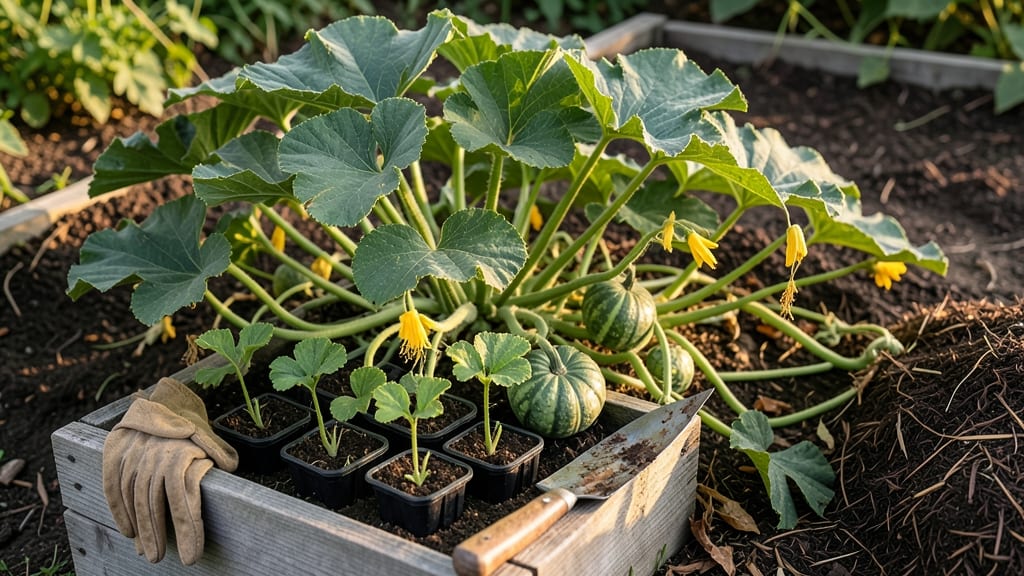
If you've ever dreamed of planting pumpkins in Missouri at the right time, timing is the secret ingredient to success. Plant too early, and frost will nip your vines in the bud; too late, and you might miss the sweet spot for a fall harvest that rivals the grocery store.
The key lies in understanding your hardiness zone and when the soil finally warms up enough to welcome these hungry seedlings.
For most of Missouri—especially zones 5b-6b—your best window opens in late April to early May, right after the last frost date (usually around April 15).
But here's the catch: pumpkin seeds need soil temperatures of at least 60°F to germinate, which means waiting for Mother Nature's cue rather than rushing the calendar.
Whether you're a first-time gardener or a seasoned pro, knowing whether to start seeds indoors or sow directly outdoors can make all the difference.
I'll walk you through the exact steps to time your planting for maximum yield, from choosing the right variety to protecting your plants from Missouri's unpredictable late frosts.
Let's get your pumpkin patch off to the right start—because when it comes to growing these giants, patience and preparation pay off in bountiful harvests come October.
Missouri pumpkin planting calendar by hardiness Zone (frost dates & ideal windows)
Missouri's USDA Zones 5b-7a create a unique challenge for pumpkin growers—cool springs and warm falls demand precision planting. The key is waiting for soil temperatures above 60°F and avoiding late frosts that can devastate young seedlings.
In northern Missouri (Zone 5b), your last frost date typically falls around April 15, while southern Missouri (Zone 7a) sees frost-free conditions by March 15. This 6-week difference means your planting window shifts dramatically depending on location.
For most of Missouri, the ideal planting window spans from late April to early May.
However, if you're growing longer-season varieties like 'Howden' or 'Cinderella', you may need to start seeds indoors 4-6 weeks before your last frost date to ensure a full harvest before the first frost in mid-October. This timeline gives pumpkins their 75-120 day growing season they need to mature properly.
Here's where local microclimates come into play. Urban areas like St. Louis (Zone 6b) often warm up faster than rural farmland, while the Ozark Mountains (Zone 6a) may experience delayed soil warming.
Always check your local frost dates using the Missouri State Climate Office or plant heat-loving pumpkins like 'Jack Be Little' in early May for a safer bet in cooler microclimates.
🌱
Missouri Pumpkin Planting Summary Table
| Zone | Last Frost | First Planting | Ideal Window | First Frost | Days to Harvest |
|---|---|---|---|---|---|
| 5b (North) | April 15 | Late April | April 22-May 10 | October 15 | 90-120 |
| 6a (Central) | April 5 | Early April | April 15-May 5 | October 5 | 90-110 |
| 6b (South) | March 15 | Mid-March | March 25-April 15 | September 30 | 75-100 |
| 7a (Southeast) | February 28 | Early March | March 10-April 5 | September 15 | 75-90 |
Note: Adjust for early/late springs using row covers or black plastic mulch.
One common mistake Missouri gardeners make is planting too early, only to have seedlings emerge and then die in a late frost. If you're eager to get started, consider using biodegradable seed starter pots to transplant seedlings after the frost danger has passed.
For direct sowing, wait until the soil temperature consistently stays above 60°F—this usually happens around May 1 in most zones.
For northern Missouri gardeners, consider planting smaller varieties like 'Jack Be Little' or 'Sugar Pie' that mature in 75-90 days. These give you a buffer against early frosts while still producing harvestable pumpkins.
Meanwhile, southern Missouri growers can afford to plant larger varieties like 'Cinderella' or 'Jarrahdale' that need 100+ days to mature, thanks to their extended growing season.
Always monitor your local weather forecasts
Best pumpkin varieties for Missouri’s climate & their unique planting needs
Missouri’s diverse climate—from cool northern zones to humid southern regions—means not all pumpkin varieties thrive equally. Short-season varieties like 'Jack Be Little' work well in Zone 5b, while heat-tolerant types like 'Howden' excel in Zone 6b. Choosing the right variety ensures your pumpkins mature before frost, whether you’re carving jack-o'-lanterns or baking pies. Let’s break down the best options and their specific planting needs.🎃
Missouri’s USDA Zones 5b-6b demand varieties with 75-100 days to maturity. For northern Missouri, prioritize cold-hardy, early-maturing types like 'Cinderella' (80 days) or 'Sugar Pie' (90 days). Southern Missouri gardeners can opt for heat-tolerant, larger varieties such as 'Jarrahdale' (100 days) or 'Mammoth Melon' (120 days), but these need earlier starts. Always check your last frost date—northern Missouri’s average is April 15**, while southern areas may push planting to mid-May.🌱
Here’s how planting needs vary by variety:| Variety | Days to Maturity | Planting Depth | Spacing (Hills) | Best for Zone |
|---|---|---|---|---|
| Jack Be Little | 75-80 days | 1 inch | 3-4 ft apart | 5b-6a (small spaces) |
| Howden | 90-100 days | 1 inch | 4-5 ft apart | 6a-6b (standard size) |
| Cinderella | 80-90 days | 1 inch | 5-6 ft apart | 5b-6a (early frost areas) |
| Jarrahdale | td style="padding: 10px;">100-110 days1 inch | 6-8 ft apart | 6b (longer seasons) |
🌿
Spacing is critical—pumpkin vines spread aggressively. 'Jack Be Little', a dwarf variety, fits tight spaces (3-4 ft apart), while 'Jarrahdale' needs room to sprawl (6-8 ft apart). Plant seeds in hills (mounds of soil) to improve drainage and warmth, especially in Zone 5b. For southern Missouri, consider succession planting in late June for a second harvest before frost.✂️
Missouri’s humid summers can stress pumpkins, so prioritize disease-resistant varieties. 'Howden' and 'Cinderella' handle moisture well, while 'Sugar Pie' resists powdery mildew. If you’re growing giant varieties like 'Mammoth Melon', start seeds indoors 2-3 weeks before your last frost date. Transplant seedlings outdoors after soil warms to 60°F+, using black plastic mulch to speed up soil warming in cooler zones.💧
For all varieties, consistent moisture is key during flowering and fruiting. Water deeply in the morning to prevent fungal diseases, and avoid overhead sprinklers. In Zone 6b, where summers are hotter, mulch heavily to retain moisture. If you’re growing pie pumpkins like 'Sugar Pie', thin seedlings to 2-3 per hill to ensure larger, sweeter fruits. Always harvest before the first frost—even cold-hardy varieties won’t survive prolonged cold.