
Plants
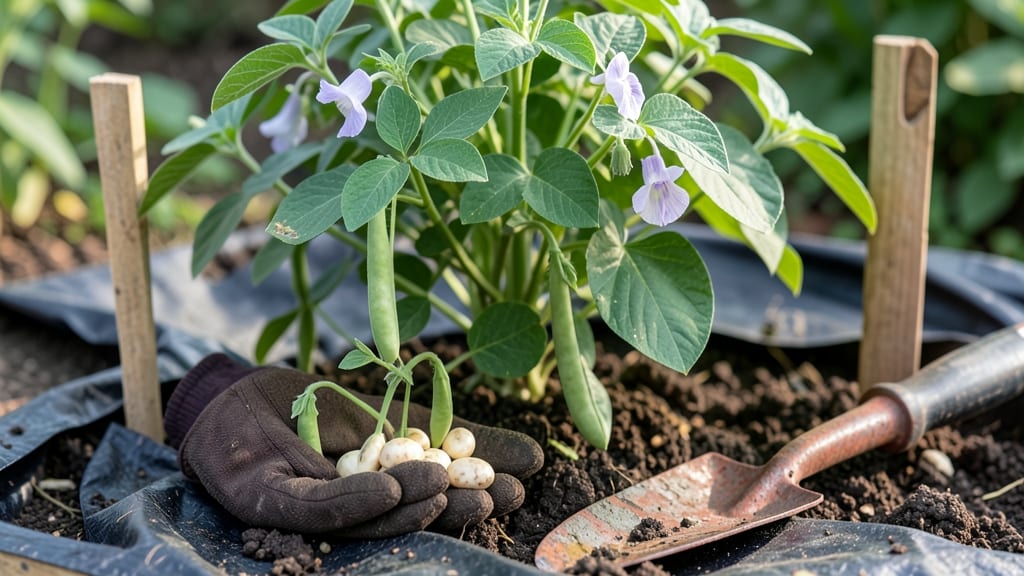
Timing your bean planting in Kentucky could make or break your harvest—get it wrong, and you might end up with stunted 🌱 or frost-nipped plants before they even mature.
With the state's diverse climate zones, from the Bluegrass Region to the Cumberland Plateau, knowing the exact window matters more than you'd think.
Most gardeners in Kentucky's 6a-7a zones focus on spring planting, but did you know you can also grow beans in the fall? The key is planting after the mid-April last frost or in late July for a fall harvest.
This gives your beans enough warm soil and sunlight to thrive before cooler temperatures arrive.
Whether you're growing pole beans, bush varieties, or limas, the right timing ensures faster growth and bigger yields. I'll walk you through the best months for each type, soil temperature tips, and how to adjust for Kentucky's unpredictable weather patterns.
Ready to grow a bumper crop? Let's dive into the exact planting schedule that'll have your beans flourishing from June through October—no guesswork required.
Kentucky’s bean planting timeline: frost-free dates by region
Kentucky’s diverse climate zones—from the humid Bluegrass Region to the warmer Pennyrile Plains and cooler Cumberland Plateau—create distinct planting windows for beans. Missing the last frost date (typically mid-April) can stunt young plants, while planting too late risks shortened harvests before Kentucky’s first frost in mid-October.
Understanding these regional nuances ensures your beans thrive.
For pole beans (like Kentucky Wonder), which need longer growing seasons, aim to plant 2-3 weeks after your region’s last frost. Bush beans (e.g., Blue Lake) are more forgiving and can tolerate slightly cooler soils, while lima beans (Fordhook) prefer warmer temperatures and should wait until soil hits 70°F.
Here’s how Kentucky’s three key regions differ in their optimal planting windows and critical frost dates—critical for scheduling your harvest:
Spring planting is your primary window, but Kentucky’s fall harvest (late July–early August sowing) can yield beans until October if planted early enough. For pole beans, start seeds indoors 2-3 weeks before your region’s last frost to jumpstart growth. Bush beans can handle direct sowing once soil warms.
Pro tip: Use biodegradable seed starters or row covers in early spring to protect seedlings from unpredictable late frosts, especially in the Cumberland Plateau. Check soil temperature with a soil thermometer—beans won’t germinate well below 60°F for most varieties.
For fall planting, aim to harvest before Kentucky’s first frost (mid-October in most regions). Lima beans are particularly sensitive to cold, so plant them no later than July 15 in the northern Bluegrass Region. Succession planting every 2 weeks after your initial sowing ensures a continuous harvest through summer.
Kentucky’s humidity and soil pH (ideal: 6.0–7.0) also play roles. Well-draining soil prevents root rot, while mulching retains moisture—critical during Kentucky’s hot, dry spells in July and August. Test your soil’s nitrogen levels before planting; beans are nitrogen-fixers but benefit from phosphorus-rich compost for strong roots.
Don’t overlook pest risks like bean beetles or Japanese beetles, which thrive in Kentucky’s climate. Interplanting with marigolds or basil can deter pests naturally. If you’re in Western Kentucky, watch for sudden temperature swings—these can confuse plant growth cycles.
By aligning your planting with Kentucky’s frost-free timeline and regional microclimates, you’ll maximize your bean yield. Next, we’ll dive into the best bean varieties for Kentucky gardens and their ideal planting months to match your region’s unique conditions. 🌱
Best bean varieties for Kentucky gardens and their ideal planting months
Kentucky’s gardeners have plenty of bean varieties to choose from, but not all thrive equally in our USDA Zones 6a-7a. The right variety can mean the difference between a bountiful harvest and struggling plants.
I’ve narrowed down the best options based on days to maturity, regional suitability, and grower needs—whether you want quick harvests or drought-resistant plants.
For fast harvests, look for varieties like 'Blue Lake' bush beans, which mature in just 50-55 days. These are perfect for gardeners eager to enjoy fresh beans early in the season.
If you’re planting in late May or early June, this variety gives you a head start on your harvest timeline.
Pole beans like 'Kentucky Wonder' are another favorite, especially for vertical gardening or small spaces. They take 60-65 days to mature but produce heavier yields per plant.
Plant these in mid-April to early May for a summer-long harvest, or try a fall planting in late July for a second crop before frost.
Lima beans, such as 'Fordhook', are a Kentucky staple and love our warm summers. These need 80-90 days to mature, so plant them in late May to early June for a late-summer harvest. They’re also drought-tolerant, making them ideal for Kentucky’s occasional dry spells.
Top Bean Varieties for Kentucky Gardens
- 🌱 'Blue Lake' – Bush bean, 50-55 days, plant in May-June for early harvests.
- 🪴 'Kentucky Wonder' – Pole bean, 60-65 days, ideal for vertical gardens; plant April-May or July for fall crop.
- 🌿 'Fordhook' – Lima bean, 80-90 days, drought-resistant; plant in late May.
- ✂️ 'Contender' – Bush bean, 55 days, great for containers; plant in May-June.
- 💧 'Rattlesnake' – Pole bean, 65-70 days, heat-tolerant; plant in June for late-season harvests.
*All varieties thrive in full sun and well-draining soil with consistent moisture.
If you’re growing beans in containers, opt for bush varieties like 'Contender', which stay compact and produce well in 5-gallon pots. Plant these in late May to avoid early-season frost risks.
For drought-prone areas, 'Rattlesnake' pole beans are a great choice—they handle Kentucky’s summer heat better than most.
Pro tip: Succession planting is key for a continuous harvest. After your first planting, sow new seeds every 2-3 weeks until mid-July. This ensures you’ll have fresh beans from June through September, even if your first crop finishes early.
No matter which variety you choose, always test your soil pH (aim for 6.0-7.0) and amend with compost before planting. Kentucky’s clay-heavy soils benefit from organic matter to improve drainage and fertility.