
Plants
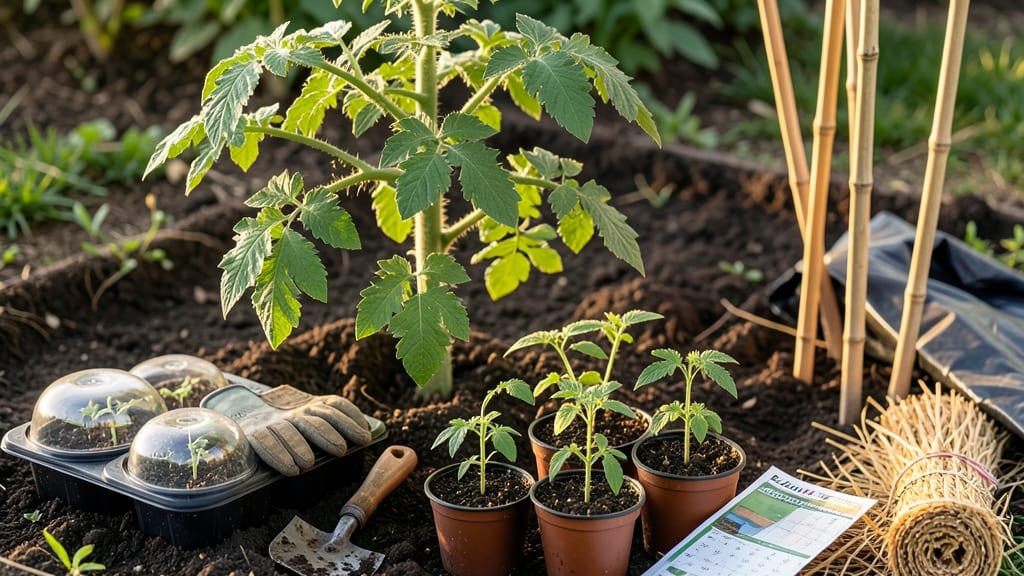
When should you plant tomatoes in Pennsylvania to guarantee a thriving harvest? Timing your tomato planting in Pennsylvania’s unpredictable climate can mean the difference between a bumper crop of juicy 🍅 and a sad, wilted disappointment. The 5b-7a zones here demand precision—plant too early, and a late frost will kill your seedlings; wait too long, and your season shrinks before harvest. With average last frosts hitting around mid-April but varying by region, knowing the exact window is the key to success.
Most gardeners in Pennsylvania start their tomato seeds indoors 6-8 weeks before the last frost date, typically in early March. This head start gives you a leg up on the growing season, especially for varieties that need 70-90 days to mature.
But don’t rush—soil temperature is just as critical as the calendar. Wait until the ground warms to at least 60°F and nighttime temps stay above 50°F before transplanting outdoors.
If you’re planting directly in the ground, aim for mid-April to early June, after the frost danger has passed. For those in cooler microclimates or higher elevations, pushing back to late May might be safer.
The goal? Give your plants 150-180 frost-free days to thrive and produce fruit before the first chill of October arrives.
I’ll walk you through the exact steps to time your planting—whether you’re starting seeds indoors or sowing directly—plus pro tips to extend your season and avoid common mistakes. Let’s make sure your tomato plants get the perfect start in Pennsylvania’s variable climate.
Pennsylvania’s frost-free dates by zone 5/6B: the exact window for planting tomatoes
Pennsylvania’s Zone 5/6B climate throws curveballs with its unpredictable frost dates, but knowing your local last frost average is the first step to tomato success.
Most regions see their average last frost between April 15 and May 1, but microclimates near bodies of water or hills can push this 1-2 weeks later. Always verify with your local USDA frost map or keep a garden journal for 3+ years.
Tomatoes are frost-sensitive—even a light freeze (32°F) can kill seedlings—so soil temperature matters more than air temperature. Plant only when soil reaches 60°F at 6 inches deep, typically 2-4 weeks after your last frost.
Use a soil thermometer to confirm; cool soil delays growth and invites disease.
For Pittsburgh (Zone 6B), aim for May 10-20 as your safe planting window. In Philadelphia (Zone 7A), you can push to April 25-May 10. Rural areas like Central PA may need to wait until May 15-30 due to colder nights.
Check Almanac.com for your county-specific data—it’s your best friend for localized timing.
| Region | Avg. Last Frost | Safe Planting Window | Soil Temp Threshold |
|---|---|---|---|
| Pittsburgh (Zone 6B) | April 25–May 5 | May 10–20 | 60°F+ |
| Philadelphia (Zone 7A) | April 15–25 | April 25–May 10 | 60°F+ |
| Central PA (Zone 5B) | May 1–10 | May 15–30 | 60°F+ |
| Erie (Zone 6A) | May 1–10 | May 15–25 | 60°F+ |
Pro tip: Hardening off seedlings is critical if you’re transplanting homegrown starts. Begin 7-10 days before outdoor planting by moving pots to a shady, sheltered spot during the day and bringing them in at night.
This acclimates plants to wind and temperature swings, reducing transplant shock by 50%. Skip this step, and you’ll see wilting or stunted growth.
If late frosts strike after planting, row covers (lightweight fabric) can protect seedlings for 2-3 more weeks. Secure edges with soil or bricks to prevent wind damage, and remove covers during the day to allow pollination.
For extreme late frosts, consider straw mulch mounds (6 inches high) around plants to insulate roots.
Don’t fall for the myth that “tomatoes love cool weather”. While seedlings tolerate 50°F nights, optimal growth occurs at 70-85°F. If your May nights dip below 50°F, delay planting or use black plastic mulch to warm soil by 3-5°F.
This is especially critical for heirloom varieties, which grow slower than hybrids like ‘Celebrity’ or ‘Better Boy’.
For container growing in Pennsylvania, start seeds 6-8 weeks before your last frost (so March 1-15 for most zones) and use 5-gallon pots for mature plants. Containers warm up faster than soil, so you can plant 2 weeks earlier than in-ground tomatoes.
Just ensure pots have drainage holes to prevent root rot—a common killer in PA’s humid summers.
Track your first frost date too—it’s your harvest deadline. Most PA regions see frost by October 15, but early-maturing varieties (like ‘Stupice’, which ripens in 55 days) can beat the clock.
If frost threatens, harvest green tomatoes and ripen indoors with apples or bananas (ethylene gas speeds ripening).
Remember: Pennsylvania’s growing season is short—150-180 frost-free days—so time your planting like a pro. Miss the window, and you’ll be left with underwhelming yields or
How to extend your tomato growing season in Pennsylvania’s short summers
Pennsylvania’s short growing season (just 150-180 frost-free days) can feel like a race against time for tomato lovers—but with the right strategies, you can maximize your harvest and enjoy ripe tomatoes well into fall. The key is starting early and protecting your plants from late-season threats.
Most gardeners in Zones 5/6B begin by starting seeds indoors 6-8 weeks before the last frost (around March 1st). This gives seedlings a head start and ensures they’re ready to transplant by mid-May, when soil temperatures finally hit 55°F+.
For example, ‘Early Girl’ tomatoes mature in just 60 days, making them ideal for our region.
🌱
- 🌱 Start seeds indoors (6-8 weeks before last frost) using grow lights or a sunny windowsill. Transplant outdoors after soil warms to 60°F.
- 🌡️ Use row covers (floating fabric) to protect seedlings from late frosts (after April 15) and extend harvests into October.
- ⏰ Choose fast-maturing varieties: ‘Stupice’ (50 days), ‘Mountain Merit’ (65 days), or ‘Sungold’ (60 days) outperform slow growers.
- 🪴 Grow in containers near your home’s south-facing wall to absorb heat and delay frost damage by 2-3 weeks.
- ✂️ Prune aggressively to focus energy on fruit production. Remove suckers (side shoots) weekly and bottom leaves to improve airflow.
Another game-changer is succession planting. After harvesting your first batch of tomatoes in July, replant with fast-growing varieties like ‘Tiny Tim’ (45 days) or ‘Patio Princess’ (55 days) to keep the harvest going.
Just be sure to harden off seedlings for 7-10 days before transplanting to avoid shock.
Late-season pests like hornworms and aphids can derail your plans, so stay vigilant. Handpick hornworms (they’re 2-3 inches long and green!) and spray aphids with neem oil or a soapy water solution. A weekly check under leaves can save your plants from becoming a buffet.
For the most ambitious gardeners, cold frames or low tunnels can push your harvest into November. These simple structures trap heat and protect plants from light frosts (down to 28°F). Just remove them during the day in warm weather to prevent overheating.
🌿