
Companion Plants
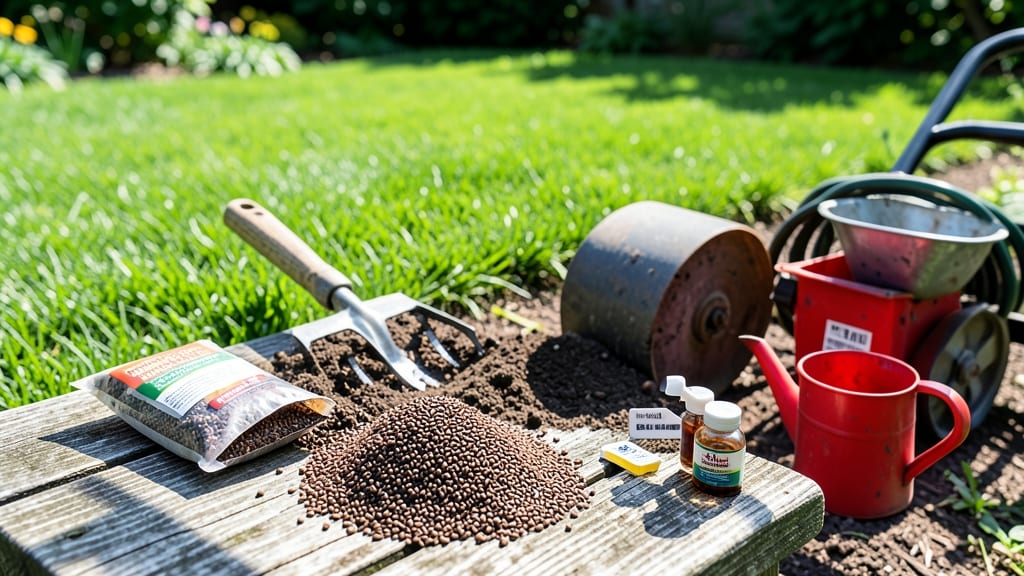
Planting Bermuda grass seed in Texas at the wrong time can leave you staring at bare soil for months—so getting the timing right is the key to a fast, lush lawn. With Texas' extreme heat and variable frost dates, even experienced gardeners sometimes misjudge the perfect window.
For most of the state, late spring to early summer (April through June) is ideal, but North Texas' cooler springs or South Texas' early heat demand different strategies.
The most important factor? Soil temperature—your seed needs 65°F+ to germinate, and waiting until after the last frost date (which varies wildly across regions) makes all the difference.
I'll break down the exact months for your specific Texas region, plus soil prep tips to ensure your Bermuda grass 🌱 sprouts within 10-14 days. Learn how to avoid common mistakes that kill germination and discover the watering schedule that keeps your new lawn thriving through Texas summers.
Whether you're in the Panhandle or the Rio Grande Valley, this guide gives you the regional insights you need to plant with confidence—so you can enjoy that vibrant green carpet by summer's peak.
Best months to plant Bermuda grass seed in Texas by region (North vs. central vs. South)
Texas’ vast size means your Bermuda grass planting window can shift by 6 weeks or more depending on whether you’re in North Texas or the Rio Grande Valley. The golden rule? Plant when soil temps hit 65°F+ and stay there—no exceptions.
In cooler zones like Amarillo, that’s mid-May; in Houston, it’s late March. Let’s break it down by region so you don’t waste seed on a failed gamble.
For North Texas (USDA Zones 8a-8b), aim for mid-April to early June.
This gives your seed time to germinate before summer’s brutal heat kicks in. Central Texas (Zones 8b-9a) can plant late March to mid-May, while South Texas (Zones 9b-10b) has the luxury of February to April planting.
The key difference? Last frost dates and how quickly soil warms—South Texas soil hits 65°F 3-4 weeks earlier than North Texas.
Here’s the critical detail: Bermuda grass seed will not germinate below 60°F, and growth stalls below 70°F. Planting too early in North Texas (like March) risks seed rot or dormancy.
Waiting until after Memorial Day ensures consistent warmth, but don’t delay past mid-June—late summer planting stresses young seedlings with intense heat and limited rainfall.
| Region | USDA Zone | Optimal Planting Window | Soil Temp Requirement | Key Risk |
|---|---|---|---|---|
| North Texas | 8a-8b | Mid-April to early June | 65°F+ (consistent) | Early frost or seed rot |
| Central Texas | 8b-9a | Late March to mid-May | 65°F+ (soil warms fast) | Late spring drought |
| South Texas | 9b-10b | February to April | 65°F+ (earlier warmth) | Overheating in May |
| West Texas (Dry) | 8a-8b | Late April to early June | 65°F+ (irrigate heavily) | Water stress |
If you’re in West Texas, add irrigating 1-1.5 inches per week to your
Best months to plant Bermuda grass seed in Texas by region (North vs. central vs. South)
Texas’ vast size means Bermuda grass planting times vary dramatically from North to South. In North Texas (USDA Zones 8a-8b), wait until mid-April to early May when soil temps hit 65°F+.
Meanwhile, Central Texas (Zones 8b-9a) can start as early as late March, while South Texas (Zones 9b-10b) often sees ideal conditions by February to March—but watch for sudden heat spikes.
Why the difference? Last frost dates shift dramatically: North Texas averages March 15, while South Texas sees February 15. Planting too early risks frost damage or seed rot from lingering cool, wet soil. Conversely, waiting too long means summer drought stress before roots establish.
Bermuda grass thrives in heat, but seeds need consistent warmth to germinate. Aim for 65-75°F soil temps—use a soil thermometer to check! In West Texas, where rainfall is scarce, prioritize May planting to align with monsoon season’s moisture boost.
Texas Bermuda Grass Planting Guide by Region
| Region | Best Planting Window | Soil Temp Requirement | Key Consideration |
|---|---|---|---|
| North Texas (DFW, Amarillo) | Mid-April to early May | 65°F+ consistently | Avoid late spring heatwaves |
| Central Texas (Austin, San Antonio) | Late March to early April | 60-65°F minimum | Watch for April rain delays |
| South Texas (Houston, Corpus Christi) | February to March | 55-60°F (warmer faster) | Hurricane season prep timing |
| West Texas (Lubbock, Midland) | May (align with monsoons) | 70°F+ required | Drought-resistant varieties recommended |
🌱 Pro Tip: Use a seed starter mat if planting early in cooler regions
For fastest germination, target June planting in most of Texas—this aligns with peak heat and 1-1.5 inches of weekly rain. However, August replanting works too, as long as you water deeply every 2-3 days until roots establish (about 3-4 weeks).
Avoid planting in September; summer’s heat stress makes seedling survival nearly impossible.
One regional hack for East Texas: Plant Bermuda grass seed in late April but cover with lightweight row fabric to retain moisture during spring showers.
Remove the cover once sprouts appear (typically 7-10 days) to prevent overheating. This trick works wonders in humid climates where fungus risk is higher.
Remember: Bermuda grass spreads aggressively once established, so contain edges with edging materials or deep-rooted ground covers if your lawn borders flower beds or vegetable gardens. Proper timing isn’t just about when you plant—it’s about setting up your lawn for long-term success in Texas’ brutal summers. 🌡️