
Plants
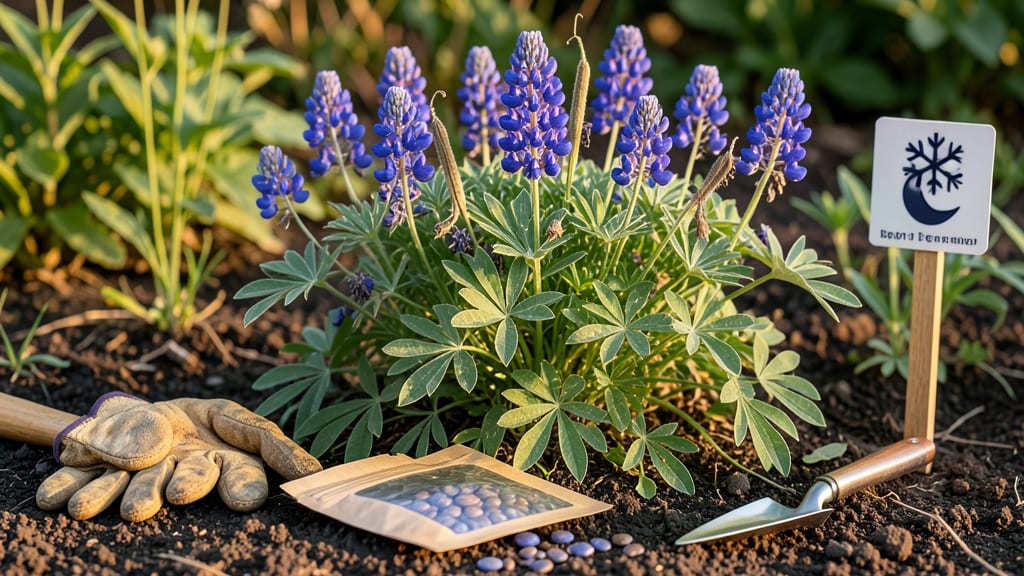
Planting bluebonnet seeds at the wrong time in South Texas can mean the difference between a breathtaking spring display of 🌸 and a patchy, underwhelming show. The key to vibrant bluebonnets lies in understanding the perfect fall window—when soil temps are just right and summer’s brutal heat has faded.
In USDA Zone 9a, where South Texas gardeners thrive, timing matters more than you might think. Plant too early, and seeds may rot; too late, and frost could nip them before they take root.
I’ll break down the ideal September-October window and how to adjust for your specific microclimate—whether you’re in Austin, San Antonio, or Corpus Christi.
Why does this matter? Because bluebonnets are finicky about their start. They need cool soil and consistent moisture to germinate, but South Texas’ erratic fall rains can throw off even the best-laid plans.
I’ll share proven strategies to prep your soil, time your watering, and avoid common pitfalls that leave gardeners scratching their heads in spring.
Ready to transform your landscape into a sea of blue? Let’s dive into the exact steps that’ll give you the lush, reliable blooms you’re dreaming of—without the guesswork. Your future spring meadow starts with this fall’s planting choices.
Best fall planting window for South Texas bluebonnets: month-by-month breakdown
Timing is everything when planting bluebonnet seeds in South Texas, where summer heat and erratic fall rains can make or break your wildflower dreams.
The ideal window spans from late August through October, but the sweet spot for most regions—including Austin, San Antonio, and Corpus Christi—is mid-September to early October. This timing ensures seeds germinate before winter rains arrive, preventing rot and giving seedlings a head start.
Bluebonnets thrive in cool soil temperatures between 60°F and 70°F for optimal germination. In South Texas, soil temps drop into this range by mid-September in most areas, making this the perfect cue to start planting.
Waiting too late risks early frosts, while planting too early means battling summer heat stress on delicate seedlings.
Here’s how to adjust your planting schedule based on your South Texas region and microclimate. Coastal areas like Corpus Christi may push planting to late September due to milder winters, while inland areas like San Angelo can start as early as mid-August to beat the first frost.
Always check your local USDA Zone 9a frost dates to fine-tune your timing.
For maximum blooms next spring, aim to plant bluebonnet seeds when your area experiences its first steady drop in temperatures after summer. In Austin, this typically happens around September 15th, while San Antonio may wait until October 1st.
Use a soil thermometer to confirm temps are below 80°F—this is your green light to scatter seeds.
Don’t overlook microclimates in South Texas. Urban areas like Houston can be 5-10°F warmer than rural spots, delaying frost. If you’re unsure, plant a test batch in late September and monitor germination. Adjust future plantings based on how quickly seeds sprout—this helps you refine your timing for future years.
One common mistake is planting too early in August, when soil is still too hot and seeds may dry out before germinating. Conversely, waiting until November risks heavy winter rains that can wash seeds away or cause fungal diseases.
The 4-6 week window between mid-September and early October strikes the perfect balance.
To extend your planting window, consider pre-soaking seeds for 24 hours before scattering them in late October. This trick can give seeds a head start in cooler soil. However, avoid this method if frost is forecasted within 2 weeks, as young seedlings won’t survive freezing temps.
Remember, bluebonnets are biennials, meaning they’ll bloom in spring of the second year after planting. The earlier you plant in fall, the more time seeds have to establish roots before winter dormancy. This translates to healthier plants and more vibrant blooms the following spring—worth the extra effort!
If you’re planting in large fields or meadows, stagger your planting over 2-3 weeks to ensure a continuous bloom cycle. Start with 10% of seeds in mid-September, another 60% in late September, and the final 30% in early October. This strategy spreads out germination and guarantees a sea of blue from March to May
South Texas’ clay-heavy soils and unpredictable fall rains can challenge bluebonnet germination, but with the right approach, you can turn these obstacles into opportunities. Start by amending your soil with compost or sand to improve drainage—bluebonnets hate soggy roots. A light raking after planting helps press seeds into the soil just enough for contact without burying them too deep. Watering is another critical factor. Unlike many plants, bluebonnets need consistent but not excessive moisture—overwatering can cause seed rot. Aim for 1 inch of water per week, delivered in the early morning to reduce evaporation. If rains are scarce, use a drip irrigation system to keep moisture levels steady without disturbing the soil. 🌱 Pro Tip: Scatter seeds afternoon of a rainy day—natural rainfall helps wash seeds into the soil while reducing your watering workload. This mimics their native dryland conditions and boosts germination rates by up to 30%. Companion planting can also work wonders in South Texas. Pair bluebonnets with wildflowers like black-eyed Susans or native grasses to deter pests naturally. These plants attract beneficial insects while adding visual contrast to your garden. Just avoid planting near aggressive grasses, which can outcompete young seedlings. Finally, be patient—bluebonnets are slow to germinate, often taking 2–4 weeks to sprout. Resist the urge to disturb the soil or replant; their deep taproots establish best when left undisturbed. Once sprouts appear, thin seedlings to 6–12 inches apart for optimal airflow and bloom production. With these South Texas-specific strategies, you’ll transform your fall planting into a springtime bluebonnet bonanza. The key is adapting to the region’s quirks—dry spells, heavy clay, and pest pressure—while letting nature do most of the work. Happy planting! 🌿South Texas-specific tips to maximize bluebonnet germination success
🔢 5 Key Steps for South Texas Bluebonnet Success