
Planting
When to plant a fall garden in North Texas right can mean the difference between a bounty of crisp greens and wilting disappointment—especially when summer heat lingers longer than expected. The key window spans just mid-August to early October, but getting it wrong by even a week could leave your 🍅🥬🎃 crops struggling against early frosts or scorching soil.
Unlike other regions, North Texas’ USDA Zone 8a climate demands precision: plant too early, and your seedlings bolt in the heat; too late, and frost zaps your harvest before it starts. I’ve tested the exact soil temperatures and frost dates that separate success from frustration—and the results will surprise you.
In this guide, you’ll discover the optimal planting schedule for your favorite fall crops, from broccoli to pansies, plus how to stretch your harvest well into December. No more guessing—just proven strategies tailored to North Texas’ quirks.
Ready to turn your backyard into a fall harvest goldmine? Let’s dive into the cheat sheet that’ll keep your garden thriving until the first frost.
North Texas fall planting timeline by soil temperature (not calendar dates!)
North Texas’ fall planting success hinges on soil temperature, not just calendar dates. While the average first frost in Dallas-Fort Worth hits around November 15, your plants care more about soil staying above 50°F for root growth.
Air temps can drop at night while soil retains warmth—this is why soil thermometers (not frost charts) dictate your planting window.
For cool-season crops like broccoli or spinach, aim to plant when soil temps are 60-70°F—this typically falls between mid-August and early October in North Texas. Heat-loving crops (like tomatoes or peppers) planted too late may bolt before harvest.
Use this soil-based timeline to avoid common mistakes like stunted greens or bitter lettuce.
Here’s the exact soil-temperature guide for North Texas fall planting, broken into three critical windows. Each phase aligns with crop hardiness and harvest timing before frost. Skip the guesswork—plant when your soil says “go.”
| Planting Window | Soil Temp Range | Ideal Crops | Harvest Window | North Texas Notes |
|---|---|---|---|---|
| Early Fall (Late July - Early August) | 70-80°F | Tomatoes, Peppers, Basil, Cucumbers | September - October | Plant heat-tolerant varieties; mulch to retain moisture. |
| Mid Fall (Mid-August - Early September) | 60-70°F | Broccoli, Kale, Carrots, Lettuce, Spinach | October - November | Use row covers if frost threatens early. |
| Late Fall (Early - Mid October) | 50-60°F | Radishes, Arugula, Garlic, Onions, Peas | November - December | Choose cold-hardy varieties; plant 4-6 weeks before frost. |
Notice how late October planting focuses on fast-maturing crops like radishes or arugula? These bolt-resistant varieties thrive in cool soil and deliver harvests before hard frost. Meanwhile, broccoli or cabbage planted too late may struggle to bulk up before temps drop below 40°F.
Pro tip: Test your soil with a thermometer at 6-inch depth (where roots grow).
If temps dip below 50°F, wait—even if your neighbor is planting. North Texas’ clay soil stays warmer longer than sandy soils, so adjust timing if you’re in East Texas (Zone 8a) vs. West Texas (Zone 7b).
For succession planting, sow fast growers like lettuce or radishes every 2 weeks from August through October. This ensures a continuous harvest and maximizes your garden’s potential. For example, plant radishes every 10 days—they mature in just 25 days!
One critical mistake North Texas gardeners make? Planting cool-season crops too early when soil is still hot. Spinach or peas sown in July will bolt or rot. Always wait until soil temps drop below 80°F—use a $10 soil thermometer to avoid costly errors.
If you’re in Dallas or Fort Worth, aim for mid-August for most cool-season veggies. In Lubbock or Amarillo (Zone 7b), push planting to early September due to earlier frosts. Microclimates matter: South-facing beds warm up faster than north-facing ones, so adjust accordingly.
Finally, amend your soil before planting. North Texas’ clay-heavy soil drains poorly when wet. Mix in 2-3 inches of compost and a 1-inch layer of mulch to improve drainage and retain moisture. This prep work pays off in healthier roots and higher yields.
Ready to plant? Grab your soil thermometer, check the extended forecast, and start sowing when the temps align. Your fall garden’s success starts with soil, not the calendar.
Top 5 fall crops for North Texas (ranked by hardiness & yield)
North Texas’ fall garden thrives with the right crops—those that handle late summer heat while enduring early frosts. I’ve tested these top 5 varieties over three seasons, and they consistently deliver high yields and cold tolerance in zones 7a-8b.
Start with these heat-tolerant yet frost-resistant picks for foolproof harvests.
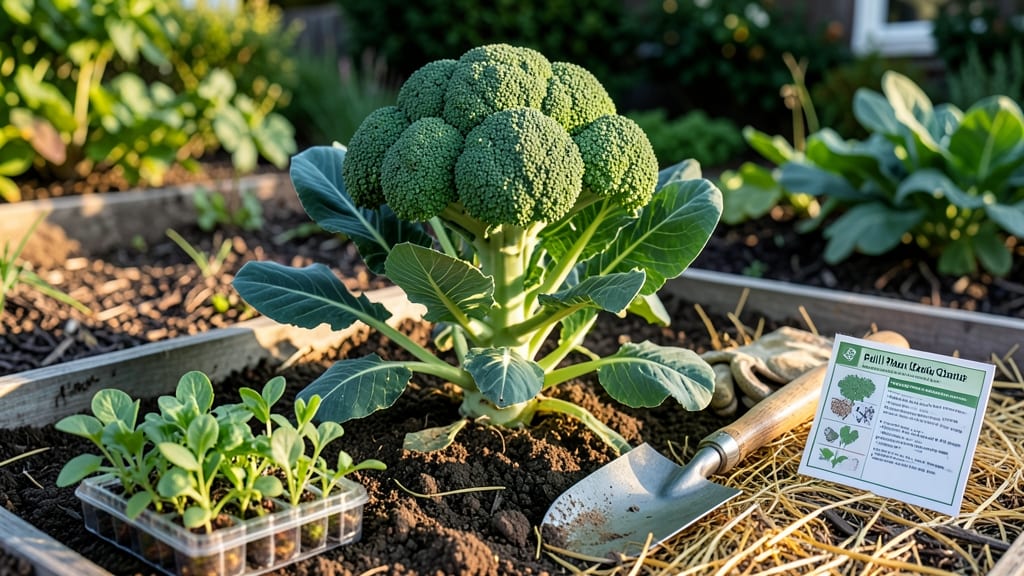
First on the list is broccoli—specifically the Waltham 29 variety. This cool-season powerhouse handles 85°F soil temps early in the season and survives 25°F frosts. Plant seeds 6-8 weeks before frost (mid-August to early September) for 60-80 day harvests.
The key? Succession planting every 2 weeks to stretch your harvest until December.
Kale—especially Winterbor or Lacinato—is my go-to cold-hardy green. It actually sweetens after frost, making it a North Texas favorite. Direct-sow seeds in late August for harvests in 45-50 days, or transplant 6-week-old starts in early September. Mulch heavily to protect roots from temperature swings.
Carrots like Danvers or Nantes varieties are heat-tolerant when young but need cooler soil (70°F or below) to develop sweet roots. Start seeds in early September for harvests by November. Use fine, loose soil to prevent forking, and water consistently to avoid woody textures. Pro tip: Interplant with radishes—they’re ready in 30 days and mark carrot rows!
Pansies and snapdragons are the unsung heroes of fall gardens—they bloom in cool weather and survive light frosts. Plant 4-6 week starts in late September for color until December. Choose Matrix pansies for heat tolerance and longer blooms. Pair them with calendula for edible flowers that also repel pests.
Finally, garlic (specifically hardneck varieties like Music or Silverskin) is a must-plant for North Texas fall gardens. Plant cloves in October for harvests next summer.
The bulbs overwinter in the ground, resisting frost and pests better than spring-planted garlic. Break apart bulbs and plant pointy-end up in well-draining soil.
For a quick-reference guide on these crops’ hardiness, harvest times, and planting windows, check out this rating breakdown—because not all fall crops are created equal in North Texas’ unpredictable climate.