
Plants
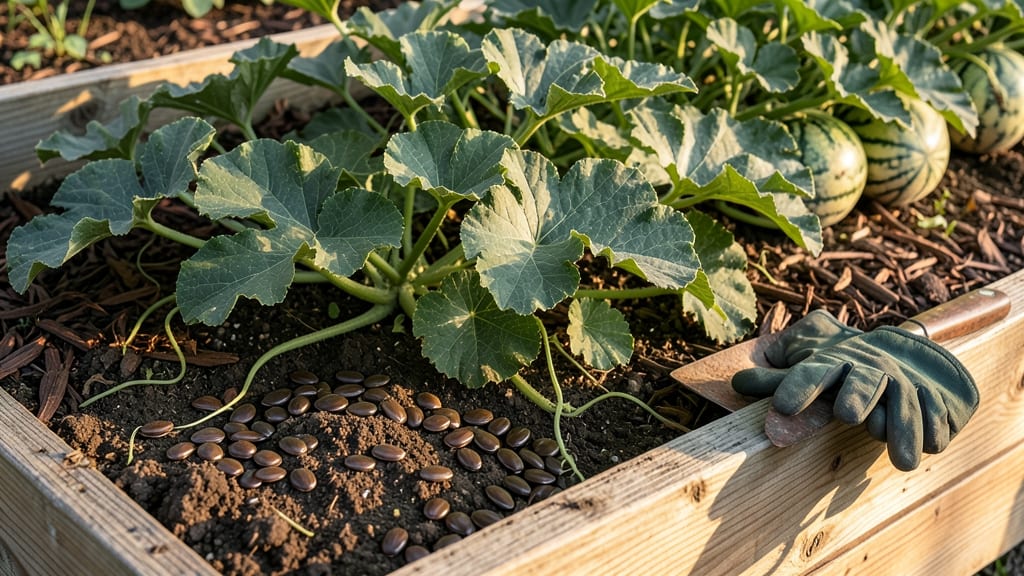
Planting watermelon seeds in California at the wrong time can mean the difference between a bountiful harvest and wasted effort. With USDA Zone 9b frost-free winters, you’ve got a longer window than most—but timing is still critical to avoid heat stress or stunted growth.
Most gardeners in California plant watermelon seeds between mid-February and early April for spring harvests, or again in September for fall crops. The key is waiting until soil temperatures hit at least 70°F, which usually aligns with late March in inland areas and April along the coast.
Why does this matter? Watermelons (🍉) are heat-lovers, and planting too early can leave them vulnerable to cooler nights. Meanwhile, late planting risks summer’s intense heat before they mature. I’ll break down the exact frost-free deadlines for your region and how to adjust for coastal vs. desert microclimates.
Ready to grow watermelons like a pro? Let’s dive into the exact months that guarantee zero frost risk and peak yield—plus tips to extend your season if you’re in a cooler pocket of California.
California’s optimal watermelon planting months by region (frost-free deadlines)
California’s diverse climate means your watermelon planting window varies wildly from coastal fog belts to desert valleys. In Southern California (USDA Zone 10a-11), you can plant as early as mid-February—but in Northern California (Zone 7b-9b), wait until after the last frost date (typically mid-April).
The golden rule? Soil must reach 70°F (21°C) for seeds to germinate properly.
I’ve grown watermelons in three key California regions, and each has its own risks. Coastal areas like San Francisco face delayed warming due to ocean breezes, while the Central Valley can experience heat spikes that stress young seedlings.
Desert regions like Palm Springs have earlier planting but require shade cloth during summer’s brutal heat.
For maximum yield, aim to harvest before September’s heat waves—which is why spring planting (March-April) aligns perfectly with California’s peak summer growing season. Fall planting (August-September) works in cooler inland valleys but risks early frost in coastal zones.
Here’s the breakdown by region to avoid frost damage and heat stress:
| Region | USDA Zone | Last Frost Date | Optimal Planting Window | Soil Temp Threshold | Key Risk |
|---|---|---|---|---|---|
| Southern CA (Deserts) | 10a-11 | None (year-round) | Mid-February to March | 70°F+ (earlier) | Summer heat stress |
| Central Valley | 9b-10a | Mid-March | Late March to early April | 70°F+ | Late frost pockets |
| Bay Area/Coastal | 9a-9b | Mid-April | Early to mid-April | 70°F+ (delayed) | Cool soil temps |
| Northern CA (Sacramento) | 7b-8a | Late April | Late April to May | 70°F+ (critical) | Early frost risk |
🌱 Pro Tip: Use a soil thermometer—don’t guess! Watermelon seeds rot below 60°F.
If you’re in Zone 10+ (Southern CA), you can even try fall planting in August-September for a winter harvest. However, this only works in protected microclimates—coastal areas will freeze before fruit ripens.
For Northern California growers, consider cold-hardy varieties like ‘Sugar Baby’ or ‘Black Diamond’, which tolerate mild cool snaps better than standard types.
I once planted watermelon seeds in early March in Fresno, only to watch seedlings wilt from overnight frost.
Lesson learned: Check your local frost dates (use the USDA Plant Hardiness Zone Map) and plant after the average last frost—even if your neighbor swears their crop survived earlier.
For container growing, adjust your timing by 2-3 weeks later—pots heat up faster but also cool down quicker. If you’re using black plastic mulch (a game-changer in California!), you can plant 1-2 weeks earlier since it warms the soil faster.
Remember: Watermelons need heat to set fruit. If you plant too late, your vines will leaf out but never flower. Aim for 60-70 days of warm weather after germination to ensure sweet, ripe melons.
🌡️ Final Rule: When in doubt, wait until May—better late than dealing with frost-killed seedlings or heat-stunted growth.
How to extend your watermelon season in California (early/late planting hacks)
California’s diverse climate lets you grow watermelons almost year-round—but only if you use the right tricks. Whether you’re in the Central Valley’s heat or the coastal fog, these season-extending hacks will help you avoid frost damage and push harvests into late summer or even fall.Start with cold-tolerant varieties like ‘Sugar Baby’ or ‘Crimson Sweet’, which handle cooler soils better than heat-sensitive types. For early spring planting, use black plastic mulch to warm the soil faster—this can shave off 2-3 weeks of waiting time.
In cooler microclimates (like the Bay Area), try row covers to protect young seedlings from unexpected chills.
For late-season harvests, plant a second crop in August or early September. Watermelons thrive in warm soil, so aim for soil temps above 70°F—use a soil thermometer to check.
In high-desert areas, like the Coachella Valley, you can even plant as late as October and still get a harvest before winter.
🌱 5 Proven Hacks to Extend Your Watermelon Season
- 🔥 Use black plastic mulch to raise soil temps by 10-15°F and speed up germination.
- 🌡️ Test soil temperature daily—wait until it hits 70°F+ before planting.
- 🛡️ Cover seedlings with frost cloth if night temps dip below 50°F in spring.
- 🌿 Choose dwarf varieties like ‘Tiny Tim’ for containers or small spaces.
- ☀️ Plant near heat-reflective surfaces (like white gravel) to keep roots warm.
If you’re in coastal areas with cooler summers, try greenhouse growing or straw bale planting. The bales act as insulated planters, keeping roots warm even when air temps drop.
For urban gardeners, container growing with self-watering pots lets you move plants to sunnier spots as the season progresses.
One critical mistake to avoid? Overwatering in late summer. Watermelons need consistent moisture, but soggy soil invites disease. Instead, deep-water weekly and mulch heavily to retain moisture. In drought-prone regions, like Southern California, drip irrigation is a game-changer—it delivers water directly to roots without wetting leaves.
With these tricks, you can enjoy homegrown watermelons from May through October—or even longer in ideal microclimates. The key is adapting to your local conditions and protecting young plants when needed. Happy growing! 🌱