
Plants
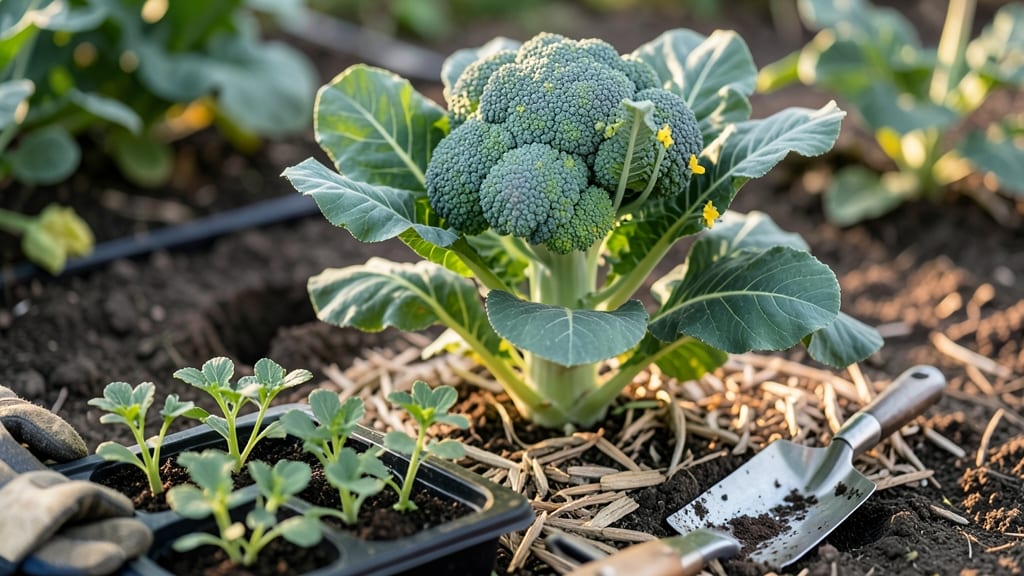
If you’ve ever planted 🥦 broccoli in Central Texas only to watch it bolt in the heat, you’re not alone. The key to a thriving harvest isn’t luck—it’s timing. Broccoli thrives in cooler weather, but Central Texas’s long summers make this tricky.
Plant too early, and the heat zaps your crop; too late, and frost cuts your season short.
Here’s the game-changer: fall planting (September–October) is your best bet, giving broccoli time to mature before winter chill sets in. But spring plantings (February–March) can work too—if you pick the right heat-resistant varieties.
I’ll break down the exact windows, soil prep tricks, and shade hacks to beat the heat and grow bigger, healthier heads.
Why does this matter? Because a well-timed broccoli patch means fewer store-bought bunches and more homegrown goodness. Plus, Central Texas’s mild winters mean you can extend your growing season with simple strategies. Let’s dive into the perfect planting schedule and varieties that actually survive our summers.
You’ll also discover how to prep your soil, choose the toughest broccoli types, and use shade to protect your plants—so you’re not left with sad, stunted heads. Ready to grow broccoli like a pro? Let’s get started.
Best planting times for broccoli in Central Texas (avoiding heat stress)
Broccoli thrives in cool weather but struggles when temperatures rise above 75°F. In Central Texas (USDA Zones 8a-9a), the key is planting during fall and early spring to avoid summer heat stress.
The ideal window is September to October for fall harvests and February to March for spring crops.
Central Texas’s first frost date typically falls around December 1, while the last frost occurs near February 15. To maximize yields, plant broccoli 4-6 weeks before the first frost—this ensures heads mature before cold snaps.
Timing is critical because broccoli bolts (prematurely flowers) when exposed to prolonged heat or drought.
🌱 Planting Timeline Comparison
| Method | Best Time to Plant | Temperature Range | Time to Maturity |
|---|---|---|---|
| Direct Sowing (Fall) | September–October | 50–75°F | 60–80 days |
| Transplanting (Fall) | August–September | 55–70°F | 55–70 days |
| Direct Sowing (Spring) | February–March | 50–70°F | 60–80 days |
| Transplanting (Spring) | January–February | 55–65°F | 55–70 days |
Note: Avoid planting broccoli in summer months (May–August) due to heat sensitivity.
For direct sowing, start seeds indoors 4–6 weeks before your target outdoor planting date. This gives seedlings a head start in Central Texas’s short growing season. If you’re transplanting, purchase healthy 4–6 week-old seedlings from local nurseries to skip the indoor phase entirely.
Central Texas’s clay-heavy soils can pose challenges, so amend beds with compost or aged manure to improve drainage and fertility. Aim for a soil pH of 6.0–7.0, which broccoli prefers. Test your soil in late summer to prepare beds before fall planting.
One common mistake is planting broccoli too late in spring, which exposes it to early summer heat. If you miss the spring window, focus on fall planting—it’s the most reliable option for Central Texas gardeners.
Use shade cloth (30–50%) during peak afternoon sun to protect seedlings if temperatures exceed 80°F.
Extend your harvest by planting successive crops every 2–3 weeks during the fall window. This staggered approach ensures a steady supply of broccoli from November through December. In spring, a single planting in February will yield harvests by May before the heat sets in.
Use a frost calendar (like the one from Texas A&M AgriLife) to pinpoint your local frost dates. For most of Central Texas, this means planting by mid-October for fall crops. Mark your calendar for February 15 as your last chance to plant spring broccoli before summer arrives.
If you’re new to broccoli growing, start with transplants—they’re more forgiving than seeds. Choose compact varieties like 'De Cicco' or 'Waltham 29' for easier management in small gardens. These varieties also handle Central Texas’s variable temperatures better than larger types.
Pro tip: Mulch heavily with straw or wood chips to retain soil moisture and regulate temperatures. This is especially important in Central Texas’s hot, dry summers, even if you’re planting in fall. Mulch also suppresses weeds, reducing competition for nutrients.
Remember, broccoli is a cool-season crop, so your goal is to beat the heat, not fight it. With the right timing and a little shade, you’ll enjoy homegrown broccoli well into the cooler months—just in time for holiday meals! 🥦
Soil and shade hacks to extend broccoli’s growing season in Central Texas
Central Texas summers can turn broccoli into a heat-sensitive disaster, but smart soil prep and shade strategies can stretch your growing window. The key? Cool roots and protected foliage. Start by amending your clay-heavy soil with compost or aged manure to improve drainage—broccoli roots need air, not mud!
A 2-3 inch mulch layer of straw or wood chips keeps moisture in and temperatures down.
For shade, row covers or partial shade cloth (30-50% block) work wonders during peak heat. I’ve seen broccoli thrive under these even when temps hit 95°F.
Just remove covers when temps drop below 85°F to avoid stunted growth from lack of light. Timing matters—install covers by 10 AM to prevent overheating.
Avoid These Soil Mistakes
Overwatering clay soil causes root rot—broccoli needs consistent moisture, not soggy conditions. Also, avoid fresh manure near planting time (wait 3 months), as it burns delicate roots.
Another trick? Plant broccoli near tall sunflowers or corn for natural shade. The towering neighbors block harsh afternoon sun while still allowing morning light. Just ensure your broccoli gets at least 4 hours of direct sun daily—it won’t bolt if starved of light, but yields will suffer.
For fall plantings, focus on late August to early September starts. This gives plants time to establish roots before October’s cooler temps. Use a soil thermometer—ideal root zone temps are 60-75°F. If soil runs hotter, delay planting until nighttime temps stay below 80°F.
Don’t forget drip irrigation! Watering at the base (not leaves) prevents fungal diseases like downy mildew, which thrives in Central Texas’ humid summers. Run systems early morning to let foliage dry before evening. I’ve had broccoli last 2 weeks longer in the garden with this setup alone.
Finally, succession plant every 2-3 weeks from August to October. Staggered plantings ensure a continuous harvest while newer plants benefit from the shade of older ones. Pair heat-tolerant varieties (like 'De Cicco') with these hacks, and you’ll harvest broccoli well into December—something rare in our region!