
Vegetables
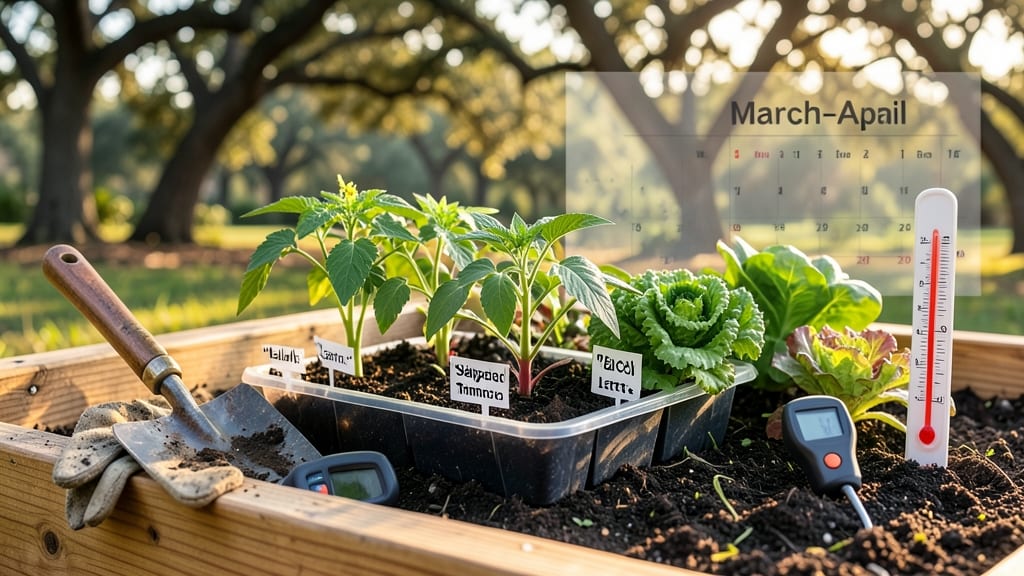
If you’ve ever watched your 🌱 vegetables plant bolt into seed before they’re even edible—or worse, wilt under Texas’ relentless sun—you know timing is everything.
The wrong planting window turns your garden dreams into a lesson in frustration, but Texas’ heat zones offer a solution if you know when to act.
Here’s the best-kept secret for Texas gardeners: planting too early risks frost damage in North Texas, while waiting too long means your summer crops struggle in the heat.
I’ll break down the exact windows for your region—whether you’re in the High Plains or the Gulf Coast—so you can grow tomatoes that thrive, not just survive.
No more guessing games. We’re talking heat-resistant varieties, soil prep hacks, and the perfect moment to start seeds indoors versus transplanting outdoors. Let’s get your garden on track for a harvest that’ll make your neighbors jealous.
Ready to beat Texas’ climate? The clock’s ticking—spring’s your best shot, but fall planting has its perks too. Let’s dive into the calendar that’ll turn your garden from ‘meh’ to ‘magnificent.’
Texas planting zones by month: heat-tolerant vegetables for each season
Texas spans 11 USDA hardiness zones, from the chilly Zone 6a of the Panhandle to the balmy Zone 9b of South Texas. This diversity means your planting schedule should adjust based on whether you're in North Texas (cooler winters) or South Texas (longer growing seasons).
The key is aligning your planting with last frost dates and heat tolerance—because nothing ruins a garden faster than a 100°F afternoon when your basil is just sprouting.
For North Texas (Zones 7-8), the last frost typically hits between March 15 and April 15, while South Texas (Zones 9-10) can plant year-round with minimal frost risk. The trick?
Start cool-season crops like broccoli and spinach in late summer for fall harvests, and reserve heat-lovers (okra, sweet potatoes) for May-June when soil temps hit 70°F+. Let’s break it down by month to keep your garden thriving.
🌱 Did You Know?
Here’s your month-by-month planting guide, tailored to Texas’ unique climate. Use this as your roadmap to avoid the three biggest Texas gardening mistakes: planting too early (frost damage), too late (heat stress), or ignoring soil temperature (seeds rot if too cold).
📅 Pro Tip: Always test your soil temperature with a probe—50°F+ for cool crops, 70°F+ for heat lovers. If it’s cooler, wait or use black plastic mulch to warm it faster.
How to avoid bolting and wilting: Texas-specific planting hacks for zero failures
Texas’ unpredictable heat spikes and long growing seasons can turn your vegetable garden into a high-stakes gamble. One wrong move—like planting lettuce in April—and you’ll watch it bolt to seed before you even taste it.
The key? Strategic timing and climate-smart hacks that shield your plants from Texas’ worst traits: sudden heat waves and soil temperature swings.
I’ve tested these tricks in North, Central, and South Texas to keep my cool-season crops from bolting and heat-lovers from wilting. The secret? Shade cloth, succession planting, and soil temperature control—all tailored to your USDA zone. Let’s dive into the Texas-specific fixes that’ll save your garden.
⚠️ CALLOUT WARNING ⚠️
🌧️ Mistake: Skipping mulch in March → soil stays too cold for warm-season crops.
🌱 Fix: Use 30% shade cloth for early tomatoes; black plastic mulch to warm soil faster.
First, cool-season crops like spinach, kale, and lettuce need to go in September–October for North Texas or October–November in Central/South Texas. Why? Daylength sensitivity triggers bolting when nights stay too warm. My trick? Plant succession crops every 2 weeks—this ensures a steady harvest before the spring heat hits.
For heat-loving veggies like okra, sweet potatoes, and peppers, wait until soil temps hit 70°F+ (use a soil thermometer—don’t guess!). I swear by black plastic mulch in April–May to raise soil temps 10°F+ faster. Pro tip: Plant after 4 PM to avoid midday transplant shock.
Watering at the wrong time is another Texas trap. Morning watering (before 9 AM) prevents fungal diseases like powdery mildew, while evening water leads to wilting. I set a drip irrigation timer for deep, infrequent watering—this mimics Texas’ natural rain patterns and builds drought resistance.
Finally, mulch is non-negotiable. Straw or wood chips keep soil moisture steady and block weeds. In North Texas, I add mulch in early March to protect cool-season crops from late frosts. In South Texas, mulch in June to cool roots during 100°F+ heat waves.
With these Texas-proof tactics, your garden will thrive—not survive. Try one hack this season, and watch your bolting rates drop to zero while your harvests soar. Happy (and heat-smart) gardening! 🌿