
Vegetables
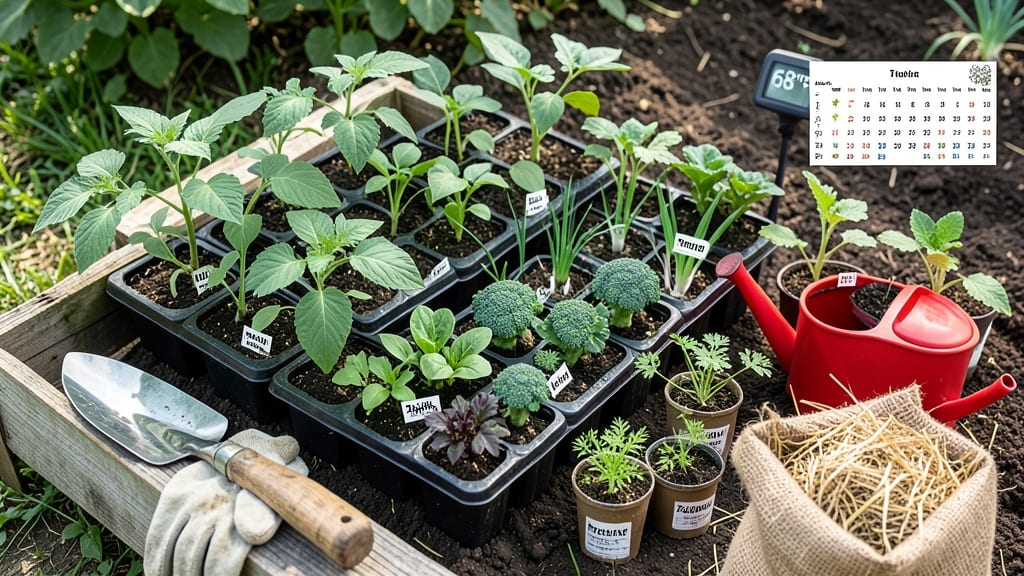
Timing your vegetable planting in California isn’t one-size-fits-all—coastal gardens thrive in spring while inland valleys beg for summer starts. The best time to plant depends on where you live, and getting it wrong can mean bolting plants or wasted effort.
From the foggy coasts of San Francisco to the scorching Central Valley, California’s microclimates create wildly different growing seasons. I’ve tested what works in each zone, so you don’t have to guess whether your lettuce should hit the soil in March or wait until May.
Whether you’re growing heat-loving tomatoes or cool-season greens, this guide breaks down the optimal months for your region—plus pro tips to stretch your harvest. Let’s get those 🌱 roots in the ground at the perfect moment.
Skip the trial-and-error: I’ll show you exactly when to plant, how to adjust for your local climate, and which crops to prioritize for a bumper harvest. Ready to grow smarter, not harder?
California planting zones by region: exact months to avoid bolting and maximize yields
California’s microclimates create a gardener’s paradise—but also a puzzle. What thrives in coastal San Francisco (cool summers, foggy mornings) will bolt in Bakersfield’s Central Valley (100°F heat).
The key? Planting by region-specific frost dates and heat tolerance thresholds. I’ve broken down the exact months for 20+ common vegetables across California’s 5 key zones.
Start with your last frost date—coastal areas like Santa Cruz average March 15, while inland Sacramento sees frost until January 31. Desert zones like Palm Springs have zero frost risk, but heat stress kicks in by June 1. Use these as your baseline.
For cool-season crops (lettuce, peas, broccoli), coastal gardeners plant September–November for winter harvests, while Central Valley growers wait until October–December. Warm-season crops (tomatoes, peppers, cucumbers) go in March–April coastally but April–May inland to avoid heat-induced bolting.
🌱Pro Tip: Use succession planting—sow lettuce every 2 weeks from September–March coastally, or every 3 weeks in hotter inland zones.
| Region | Last Frost | Cool-Season Planting | Warm-Season Planting | Heat Stress Risk |
|---|---|---|---|---|
| Coastal (SF, LA) | March 15 | Sep–Nov | Mar–Apr | Low (fog) |
| Central Valley (Sacramento) | Jan 31 | Oct–Dec | Apr–May | High (June+) |
| Desert (Palm Springs) | None | Aug–Sep | Feb–Mar | Extreme (May+) |
| Mountains (Tahoe) | May 15 | Jun–Jul | Jul–Aug | Moderate |
Let’s dive into specific crops. In coastal zones, plant tomatoes and peppers after April 15—earlier sowings risk chill damage.
Inland gardeners should wait until May 1 to avoid heat stress. Lettuce bolts in 70°F+ soil, so coastal growers can direct-sow until June 1, while Central Valley gardeners stop by May 15.
For desert regions, focus on shade-tolerant crops like bush beans and squash, planted February–March before 100°F days arrive. Mountain zones (like Tahoe) have a shorter season—start warm-season crops in late May and use row covers to extend harvests into September.
💧Watering Hack: In desert zones, mulch with gravel to reflect heat, while coastal gardeners should water deeply 2x/week to prevent fungal diseases from fog.
Use seed packets’ days-to-maturity to calculate harvest windows. For example, a 60-day tomato planted April 15 in San Francisco will be ready by June 14, but the
Microclimate hacks: how to adjust planting times for urban gardens, high altitudes, and coastal fog zones
California’s microclimates can turn your vegetable garden into a puzzle—especially when urban heat islands bake your soil while nearby hills stay cool. The key? Adjusting planting times by just 2-4 weeks can mean the difference between zero bolting and wasted seeds.
For example, Los Angeles urban gardens often need earlier spring plantings (late February) because pavement retains heat, while Santa Cruz coastal fog zones can delay warm-season crops until May.
High-altitude areas like Mount Shasta’s gardens (5,000+ ft) face shorter growing seasons—start cool-season crops like kale or peas in March instead of April, and use cold frames to extend harvests into November.
Meanwhile, desert regions (e.g., Palm Springs) can plant warm-season veggies like okra in March but must shade cloth by June to prevent heat stress.
🌱 Microclimate Adjustments by Zone
- 🏙️ Urban Heat Islands: Plant warm-season crops 2 weeks earlier (e.g., tomatoes in late February) and use reflective mulch to cool soil.
- 🌊 Coastal Fog Zones: Delay peppers/eggplants until May; use row covers to trap heat.
- ⛰️ High Altitudes: Start cool crops in March; extend season with cold frames until November.
- 🏜️ Desert Regions: Plant spring crops in winter; add shade cloth by June.
For urban gardens, I’ve found that soil warming tricks like black plastic mulch or straw bales can add 5-10°F to soil temperature, letting you plant warm-season veggies like cucumbers 2 weeks earlier.
In coastal fog zones, clear plastic row covers (removed during daylight) can raise soil temps by 10°F, making July plantings viable for fall harvests.
High-altitude gardeners should prioritize fast-maturing varieties (e.g., bush beans in 50 days) and use cloche tunnels to protect tender seedlings from late-spring frosts. In desert areas, drip irrigation with evening watering prevents evaporative loss, letting you grow leafy greens in summer when others can’t.
Pro tip: Test your microclimate by monitoring soil temps with a soil thermometer—aim for 60°F+ for warm-season crops and 40-50°F for cool-season veggies. Adjust planting dates based on 3-year averages from your local Cooperative Extension office.
Even a 50-foot elevation change can shift planting times by 2 weeks, so check USDA Plant Hardiness Zone maps and local frost dates. For example, San Francisco’s coastal fog might delay tomato plantings until mid-May, while Sacramento’s Central Valley can start them in early April.
Remember: Microclimate hacks aren’t just about timing—they’re about protecting your plants from heat stress, wind damage, or unexpected frosts. With these adjustments, you’ll maximize yields and minimize bolting across California’s wildest growing conditions. 🌿