
Trees
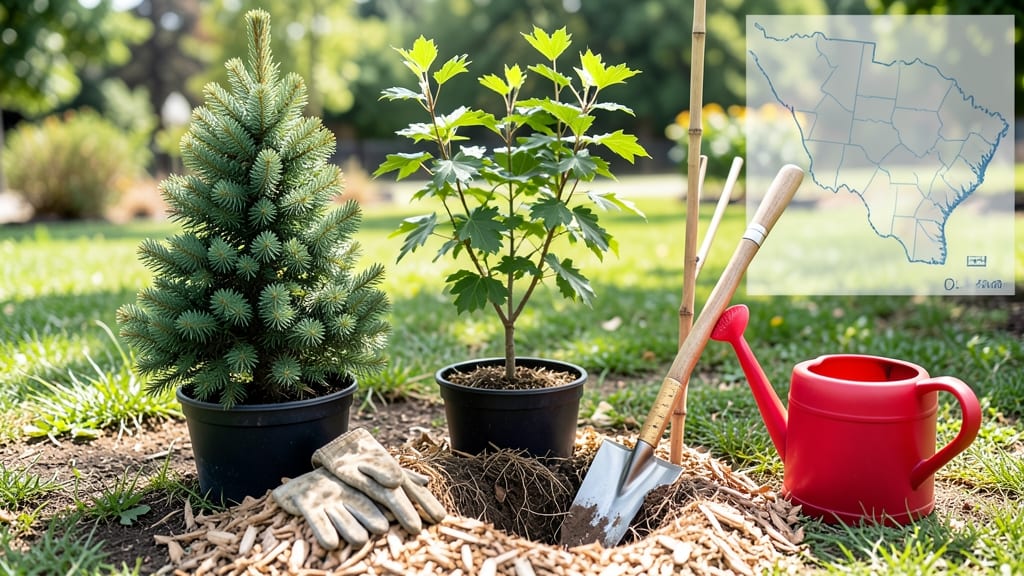
Timing your tree planting in Colorado can mean the difference between a thriving 🌳 and a struggling sapling—get it wrong, and frost or drought will sabotage your hard work before roots even take hold.
With USDA zones 4-7 and elevation shifts that change frost dates dramatically, knowing the best window matters more than you might think. Whether you're in the Front Range or Western Slope, planting too early risks frost heave, while waiting too long cuts root establishment short.
I’ll break down the exact frost-free windows for your elevation zone, plus species-specific tips to ensure your new tree gets off to the strongest start. Let’s make sure your Colorado planting pays off for decades.
From early spring’s moisture-rich soil to fall’s cooler temperatures, we’ll cover when to dig—and why timing is everything for long-term success.
Colorado’s frost-free planting windows by elevation Zone (with exact months)
Colorado’s dramatic elevation changes—from 3,000 feet in the southeastern plains to over 14,000 feet in the mountains—create wildly different planting windows. The USDA Hardiness Zones 4-7 here mean your Front Range yard might be Zone 6, while a Western Slope home could be Zone 5.
Timing isn’t one-size-fits-all, so let’s break it down by zone to avoid frost heave or drought stress.
For lowland areas (3,000–5,000 ft), like Denver or Colorado Springs, the last frost typically occurs between April 15–May 1, while first frost arrives September 20–October 5. This gives you a 160-day frost-free window—perfect for fast-growing trees like cottonwoods or Russian olives.
In foothills (5,000–7,000 ft), such as Boulder or Fort Collins, frost lingers longer.
Expect last frost around May 10 and first frost by September 15, shrinking your window to 120–140 days. Slow-growing evergreens, like blue spruce, thrive here if planted in early spring or late summer.
At mountain elevations (7,000+ ft), like Aspen or Estes Park, the window narrows to 60–100 frost-free days. Your last frost may not pass until June 1, and first frost can hit as early as September 1.
Only hardy species, such as Engelmann spruce or quaking aspen, survive here—plant them in late spring to avoid soil freeze.
🌱 Pro Tip: Use the Colorado State University Extension’s Hardiness Zone Map to pinpoint your exact zone. Microclimates—like urban heat islands or north-facing slopes—can shift frost dates by 2–4 weeks.
| Elevation Zone | Last Frost Date | First Frost Date | Best Planting Window | Frost-Free Days |
|---|---|---|---|---|
| Lowland (3,000–5,000 ft) | April 15–May 1 | September 20–October 5 | March 15–April 30 or September 1–October 15 | 160 days |
| Foothills (5,000–7,000 ft) | May 1–May 10 | September 10–September 20 | April 1–May 15 or August 15–September 15 | 120–140 days |
| Mountain (7,000+ ft) | June 1–June 15 | September 1–September 10 | May 15–June 30 or August 1–August 31 | 60–100 days |
Spring planting in Colorado offers 6–8 weeks of warm soil before summer heat arrives. Aim for March–April in lowlands or May–June in mountains. Fall planting, however, is ideal for root establishment—choose September–October to let roots grow before winter dormancy.
For bare-root trees, plant as soon as soil thaws—even if frost is still possible. Container-grown trees can wait until 2 weeks after last frost to avoid transplant shock. In high-altitude zones, use black plastic mulch to warm soil faster in spring.
🌿 Warning: Avoid planting in late summer (August) unless you’re in a lowland zone. Late-summer heat stresses roots, and fall frosts can kill tender new growth before roots establish.
Soil temperature matters just as much as air temperature. Use a soil thermometer—roots need 50°F+ soil to grow. In mountain zones, wait until soil reaches 55°F before planting, even if air temps seem mild.
🪴 Local Example: In Denver (Zone 6), I planted a green ash tree in early April and saw 2-foot growth by summer. A friend in Telluride (Zone 5) waited until mid-May for their quaking aspen—both thrived because they matched their elevation zone.
How to adjust planting time for tree species (fast-growing vs. slow-growing)
Colorado’s diverse elevation zones and microclimates mean your choice of tree species directly impacts the best planting time. Fast-growing trees like poplars or willows can handle a slightly wider window, while slow-growing varieties like oak or pine need precise timing to establish roots before winter.
Let’s break down how to adjust your planting schedule based on your tree’s growth rate and needs.
For fast-growing trees, such as Russian olive or green ash, you have a bit more flexibility. These species can tolerate late spring plantings (even into May) because their rapid root development helps them recover from transplant shock.
However, avoid planting them in late summer or fall, as their aggressive growth can leave them vulnerable to late-season frosts.
Slow-growing trees, like blue spruce or quaking aspen, require more careful timing. These varieties need 6-8 weeks of root establishment before the first frost, so aim to plant them 4-6 weeks before your local frost date.
In Colorado’s mountain regions, this often means planting by mid-August for fall success.
- 🌿 Fast-Growing Trees (e.g., Russian olive, green ash): Plant by April 30 (lowland) or May 15 (mountains). Avoid late summer.
- 🌲 Moderate-Growing Trees (e.g., maple, birch): Ideal window is March 15–April 15 or September 1–15.
- 🪴 Slow-Growing Trees (e.g., oak, pine): Plant 4-6 weeks before frost—typically August 1–15 in mountains.
- 💧 Drought-Tolerant Species (e.g., Ponderosa pine, serviceberry): Can handle late spring plantings if watered deeply.
- 🌡️ Moisture-Loving Trees (e.g., willow, cottonwood): Best planted in early spring to establish roots before dry summer.
Evergreen trees, like Colorado blue spruce or Douglas fir, face unique challenges because their needles transpire year-round. Plant them in early fall (by September 15) to allow roots to grow before winter dormancy sets in.
Avoid planting evergreens in late spring, as their shallow root systems can dry out quickly in Colorado’s hot, windy summers.
If you’re planting in high-altitude zones (7,000+ ft), extend your planting window by using root stimulants or mulch blankets to protect young roots. For example, Engelmann spruce can be planted as late as early September in these areas, provided you add 3–4 inches of mulch to insulate the soil.
Pro tip: Check your tree’s USDA Hardiness Zone and match it with Colorado’s microclimate. A Zone 5 tree in Denver’s urban heat island may thrive in late April, while the same species in Zone 4 on the Western Slope might need to wait until mid-May.
Always verify local frost dates using resources like the Colorado State University Extension.