
Plants
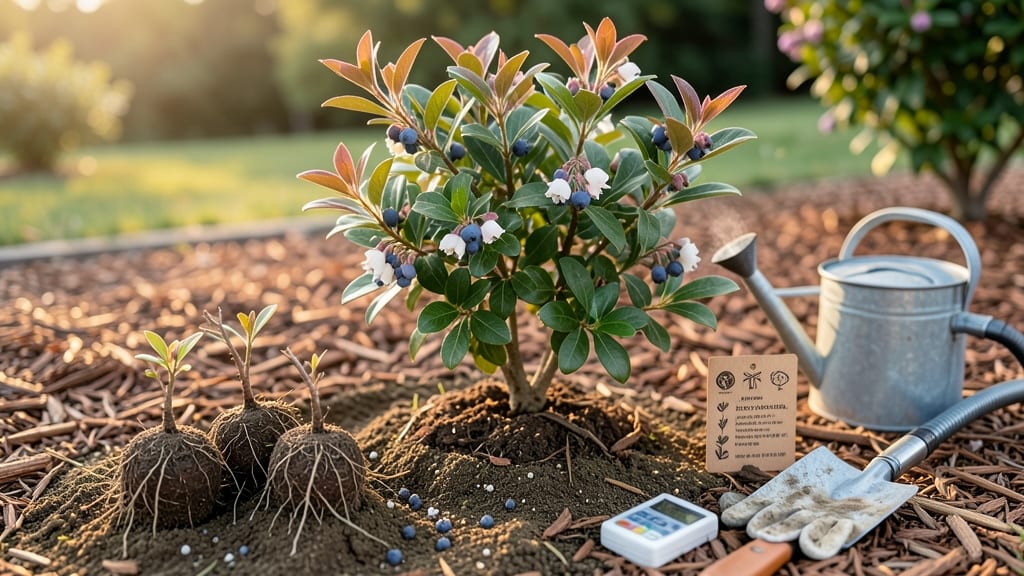
Timing your blueberry planting in Utah isn't just about the calendar—it's about dodging frost traps and making the most of the state's wild temperature swings. With elevations ranging from desert valleys to high mountain zones, your 🫐 bushes need the perfect window to establish roots before summer heat arrives.
Most Utah gardeners aim for late winter to early spring, but that broad range hides critical details. Whether you're in Salt Lake City's USDA Zone 6b or the cooler high country, knowing your exact frost dates could mean the difference between thriving bushes and lost investments.
I'll break down the ideal planting windows by elevation, plus how to adjust for Utah's microclimates. You'll learn when to plant bare-root vs. container-grown bushes and how to prep soil for these acid-loving plants.
Let's get your blueberries off to the right start—because in Utah, timing really is everything for a bountiful harvest.
Utah’s blueberry planting zones by elevation: frost-free deadlines
Utah’s dramatic elevation shifts—from the low-desert valleys near Moab to the high-altitude slopes of Park City—mean blueberry planting timing varies wildly.
In Zone 5 (high elevations), like Logan or Heber, last frosts can linger until May 15, while Zone 7 (southern Utah), including St. George, sees frost-free conditions by March 1. This 10-week difference forces growers to adjust planting strategies radically.
For most Utah gardeners, the ideal planting window falls between late February and April, but your exact timing depends on local frost data and microclimates.
Urban areas like Salt Lake City (Zone 6b) have a 3-week window from March 15–April 5, while rural high-desert regions may need to wait until late April or May to avoid frost damage.
Blueberries thrive in acidic soil (pH 4.5–5.5), but Utah’s alkaline soils often require amendments like peat moss or sulfur.
Test your soil 6–8 weeks before planting—this gives you time to adjust pH and prepare the site. Container gardening is a great workaround for urban gardeners with poor soil, as it lets you control pH and moisture.
Here’s how elevation impacts your planting schedule:
| Elevation Zone | USDA Hardiness Zone | Avg. Last Frost | Ideal Planting Window | Notes |
|---|---|---|---|---|
| Lowland Valleys (e.g., St. George, Moab) | Zone 7-8 | March 1–15 | Late February–March 31 | Hot summers; use shade cloth for young plants. |
| Wasatch Front (e.g., Salt Lake City, Ogden) | Zone 6b-7a | March 15–April 1 | March 15–April 15 | Urban heat islands may warm soil faster. |
| High Desert (e.g., Price, Duchesne) | Zone 5b-6a | April 15–May 1 | April 1–May 15 | Dry soil; mulch heavily to retain moisture. |
| Mountain Regions (e.g., Park City, Logan) | Zone 4b-5a | May 15–June 1 | Late April–May 30 | Short growing season; choose early-ripening varieties. |
If you’re planting bare-root blueberries, do it as soon as the soil is workable—typically 2–4 weeks before your last frost date. For container-grown bushes, you can plant slightly later (up to 2 weeks after bare-root timing), as their roots are less sensitive to cold.
Just be sure to water thoroughly after planting to help roots establish.
For high-elevation gardeners, consider row covers or cold frames to extend the growing season. These can push your planting window 2–3 weeks earlier and protect young plants from late frosts.
In Zone 5 or colder, opt for dwarf varieties like ‘Top Hat’ or ‘Patriot’, which mature faster and produce fruit sooner.
Pro tip: Check the Utah State University Extension’s frost maps (available here) for real-time updates. Local nurseries like Desert Garden Nursery (St. George) or Wasatch Nursery (Salt Lake City) can also provide hyper-local advice tailored to your microclimate.
Remember, blueberries need 6–10 hours of sun daily, so avoid planting in shady spots—even if it’s tempting to shield them from harsh desert winds. South-facing slopes or raised beds get the most sunlight and warmth.
How to adjust planting time for Utah’s microclimates and soil conditions
Utah’s varied landscapes mean your blueberry planting window can shift dramatically depending on where you live. In lowland desert areas like St. George, you might plant as early as February, while high-elevation zones like Park City should wait until late April to avoid frost damage.
Microclimates—like urban heat islands in Salt Lake City—can also push back your planting by 1-2 weeks compared to rural areas.
Soil conditions play an equally critical role. Blueberries demand acidic soil (pH 4.5-5.5), which is rare in Utah’s naturally alkaline dirt. If your soil tests higher than 6.0, you’ll need to amend it with sulfur or peat moss before planting.
This prep can take 4-6 weeks, so factor it into your timeline—especially if you’re planting in containers, which dry out faster and require more frequent soil checks.
🚨 CRITICAL WARNING: Planting too early in high-altitude zones risks frost damage to young roots. Use row covers or wait until soil temps reach 40°F consistently. In low-desert areas, late plantings may stress bushes before they establish roots—aim for cool-season planting before summer heat sets in.
⚠️ Utah-Specific Planting Risks
High Elevation (5,000+ ft): Late frosts can kill new growth—delay planting until after May 1 in Park City or Ogden.
Lowland Deserts: Summer heat stresses young plants; opt for dwarf varieties or container growing to control soil moisture.
Urban Areas: Pavement radiates heat—plant in morning-sun spots or use mulch to protect roots.
For container gardening—a popular choice in Utah’s urban areas—plant 1-2 weeks earlier than in-ground bushes. Containers warm up faster in spring, giving you a 2-week head start on root establishment.
Just ensure pots have drainage holes and use a well-draining acidic mix. In sandy soils (common in southern Utah), add organic matter like compost to retain moisture and nutrients.
Mulching is non-negotiable in Utah’s climate. Apply 3-4 inches of pine bark or wood chips to insulate roots from temperature swings and retain moisture. In high-desert areas, mulch also protects against windburn, which can stress young plants.
Replenish mulch annually—especially in spring—to maintain soil acidity and suppress weeds that compete for nutrients.
Pro tip: Monitor your local USU Extension frost calendar (available online) for real-time updates. Utah’s microclimates can shift planting windows by 3+ weeks—don’t rely solely on general guidelines.
For example, Moab’s last frost often comes 2 weeks later than Salt Lake City’s, even though they’re both in USDA Zone 6b.
Finally, if you’re planting bare-root blueberries, soak roots for 4-6 hours before transplanting—this is especially critical in Utah’s dry spring conditions. For container-grown bushes, water thoroughly 24 hours before planting to reduce transplant shock.
Whether you’re in a mountain valley or a desert oasis, these adjustments will help your blueberries thrive despite Utah’s challenges. 🌱