
Plants
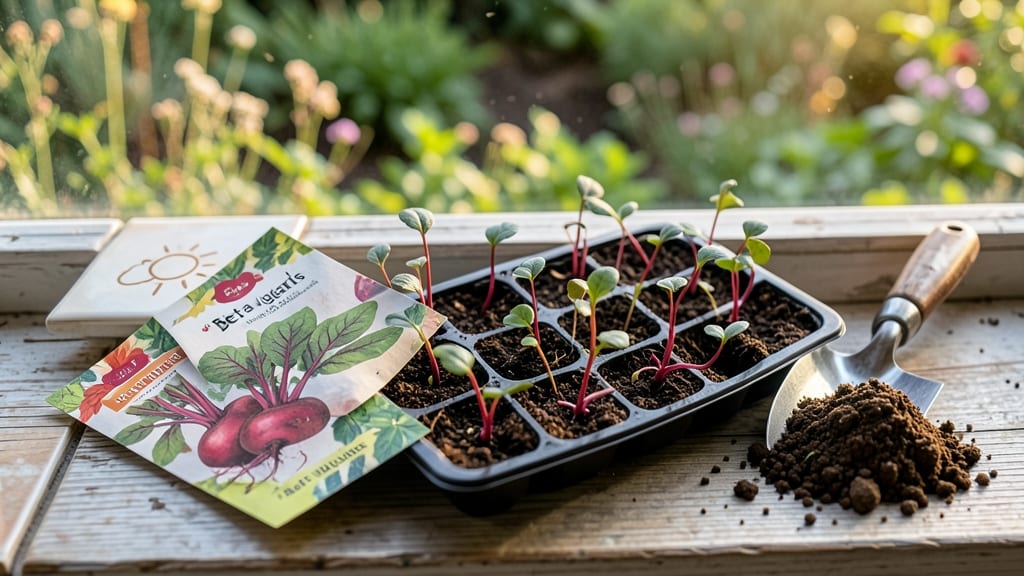
Timing your beet 🍠 planting in Utah isn’t just about the calendar—it’s a high-stakes dance with frost dates that shift wildly from Salt Lake City’s urban heat islands to Park City’s chilly mountain valleys.
Get it wrong, and you’ll end up with bitter greens or woody roots instead of sweet, tender harvests.
Most gardeners in Utah’s USDA Zones 5-7 know the basics: spring and fall are your best bets, but the devil’s in the details. Plant too early, and a late frost will wipe out your seedlings. Wait too long, and summer’s scorching heat sends beets bolting before you can harvest.
The key? Nailing those frost-free deadlines—typically March 15 to April 30 for spring and August 1 to September 15 for fall—while accounting for your exact elevation.
Here’s the game-changer: Utah’s microclimates mean your neighbor’s perfect timing might leave you scrambling. Whether you’re in the Wasatch Front’s urban sprawl or a high-desert farm, I’ll break down the exact windows for your zone—and how to stretch your harvest with succession planting.
Let’s get those beets in the ground the right way.
Ready to avoid the “Utah beet curse” of wasted effort? You’ll learn which varieties thrive here, how to prep soil for Utah’s alkaline conditions, and when to pull those first harvests before the heat sets in. Your garden’s about to get a whole lot sweeter.
Utah’s frost-free planting windows for beets by elevation Zone
Utah’s elevation zones create wildly different planting deadlines for beets—what works in Salt Lake City (Zone 6b) fails in Park City (Zone 5). I’ve broken down the last frost dates by region so you can plant with confidence, whether you’re in the Wasatch Front or a mountain valley.
Even a 1-week miscalculation can mean bolting greens instead of sweet roots.
First, check your local microclimate. Urban areas like Salt Lake Valley trap heat, delaying frost by 10-14 days compared to rural zones. Meanwhile, high-desert areas (e.g., Richfield) can frost 2 weeks earlier than the official Zone 6b average.
Always verify with your local cooperative extension office or a home weather station.
For spring planting, aim for soil temps of 45°F+—cold soil slows germination. In lowland Utah (e.g., St. George, Zone 8a), you can start as early as February 15, but most gardeners wait until March 15 to avoid late-spring frosts.
Higher elevations (e.g., Ogden, Zone 6a) should wait until April 1 or risk seed rot.
| Elevation Zone | Last Frost Date | First Planting Window | Frost-Free Days | Best Varieties |
|---|---|---|---|---|
| Lowland (Zone 6b-7a) | April 15 (Salt Lake City) | March 15 - April 30 | 140-160 days | Detroit Dark Red, Golden |
| Mid-Elevation (Zone 5b-6a) | May 1 (Provo/Orem) | April 15 - May 15 | 120-140 days | Chioggia, Babybeat |
| High-Elevation (Zone 4b-5a) | May 15 (Park City) | May 1 - June 1 | 100-120 days | Boltardy, Red Ace |
| High Desert (Zone 6a-7a) | April 1 (Richfield) | March 1 - April 15 | 130-150 days | Detroit Dark Red, Golden |
For fall planting, Utah’s first frost dates vary just as dramatically. In St. George, you can sow until November 1, but in Ogden, stop by September 15 to avoid woody stems.
Seedlings need 60-70 days to mature before frost, so calculate backward from your local first frost date.
Pro tip: Use row covers to extend your fall harvest window by 2-3 weeks. I’ve had success with floating row covers in Salt Lake City pushing harvests into mid-November.
Just remove covers during the day to prevent heat stress and secure them at night to protect from chilly temps.
If you’re in Zone 8a (St. George/Southern Utah), you can even try a winter planting in December—beets tolerate light frosts and may produce sweet, tender roots by February. Just cover with straw mulch (4-6 inches) to insulate soil and prevent freeze-thaw cycles that crack roots.
Remember: Soil temperature matters more than air temperature. Use a soil thermometer to confirm 45°F+ before planting. Cold soil = slow germination. In high-altitude gardens, I’ve seen seeds take 3 weeks to sprout when soil
Utah’s frost-free planting windows for beets by elevation Zone
Utah’s three distinct elevation zones create wildly different planting deadlines for beets. At 2,500 feet in Salt Lake Valley, you’ll have 140 frost-free days, while Park City’s 7,000-foot elevation shrinks that window to just 90 days. These differences mean planting 3-4 weeks earlier in lowlands versus high country.
For lowland Utah (Salt Lake City, Provo), aim to plant beets March 15-April 30 for spring harvests. Mid-elevation areas (Orem, Spanish Fork) should delay until April 1-April 25 to avoid late frosts. High-elevation gardens (Park City, Heber) have their last frost around May 15, so wait until late April to plant.
| Elevation Zone | Last Frost Date | Spring Planting Window | Fall Planting Window |
|---|---|---|---|
| Lowland (2,500-4,000 ft) | April 15 | March 15-April 30 | August 1-Sept 15 |
| Mid-Elevation (4,000-6,500 ft) | April 25 | April 1-April 25 | July 15-Aug 30 |
| High-Elevation (6,500+ ft) | May 15 | Late April-May 10 | June 15-July 15 |
Urban heat islands in Salt Lake City can push last frost dates 7-10 days later than rural areas. Use local weather stations or Utah State University Extension frost maps to refine your timing. For fall planting, high-elevation areas must start by mid-July to mature before first frost.
Soil temperature matters just as much as air temperature. Beets need 45-50°F soil to germinate. In cold mountain valleys, use black plastic mulch to warm soil 5-10°F faster than uncovered beds. Test soil with a soil thermometer at 2-inch depth before planting.
For continuous harvests, stagger plantings every 2 weeks during your zone’s window. This prevents overwhelming bolting when days lengthen. In Zone 6b-7a areas, you can even squeeze in one late-summer planting around July 15 for smaller roots before frost.
Remember: Beets tolerate light frost but won’t germinate below 40°F. If your spring planting window feels risky, opt for cold-hardy varieties like ‘Detroit Dark Red’ or ‘Golden’ beets, which handle 25°F better than others.