
Plants
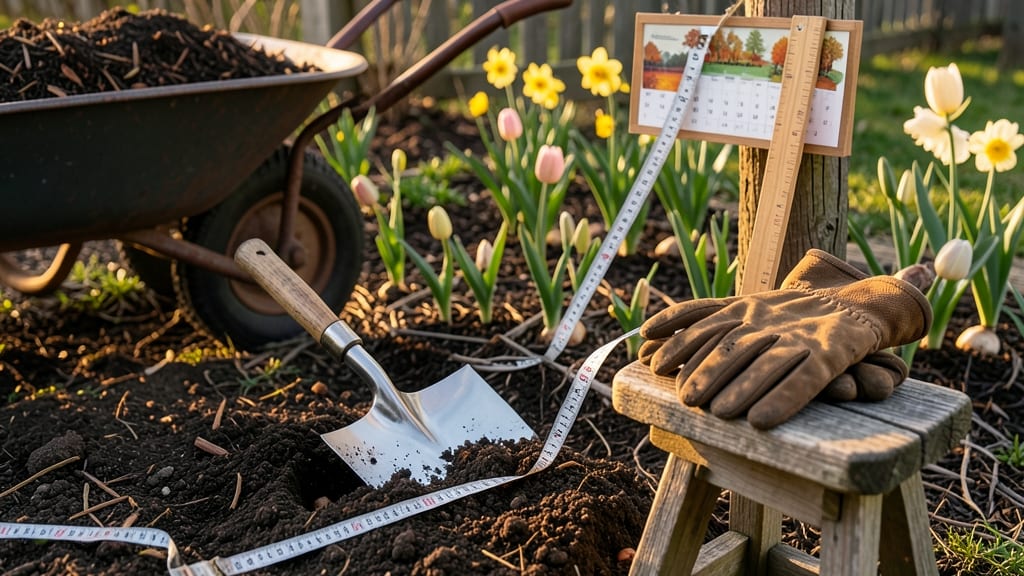
Knowing when to plant bulbs in Zone 7b could make all the difference between a garden bursting with color and a missed opportunity. The right timing ensures your 🌱 tulips, daffodils, and crocuses get the chill hours they need to bloom beautifully next spring.
In Zone 7b, fall planting—typically between October and November—is your best bet for most bulbs. This gives them time to establish roots before winter, so they’re ready to shoot up as soon as the ground thaws.
But not all bulbs are created equal, and some—like snowdrops or early crocuses—can even handle planting in late fall or early spring.
Why does timing matter so much? Bulbs need a period of cold to break dormancy, and planting too early or too late can leave them vulnerable to rot or poor growth.
I’ll walk you through the exact windows for each type of bulb, plus how to adjust for your local frost dates in Zone 7b.
Ready to set your garden up for a stunning spring display? Let’s dive into the chill-hour requirements and frost-free window that’ll help you plant with confidence—no guesswork required.
Zone 7b chill-hour requirements for bulbs: what you Must Know Before Planting
Understanding chill-hour requirements is the secret to successful bulb planting in Zone 7b. Unlike hardiness zones, chill hours measure how many hours below 45°F (7°C) your bulbs need to bloom.
Most spring-flowering bulbs require 1,000–1,500 chill hours, but some—like daffodils—thrive with fewer. Zone 7b typically offers 1,200–1,600 chill hours, making it perfect for a wide range of bulbs.
If you plant bulbs with too few chill hours, they’ll sit dormant or produce weak stems. Conversely, bulbs needing excessive chill hours (like some alpine varieties) may fail to bloom.
For example, tulips need 1,200–1,500 chill hours, while crocuses can thrive with just 800–1,000 hours. Knowing these numbers ensures your bulbs get the dormancy they crave before spring.
Zone 7b’s climate is tricky—mild winters can mean fewer chill hours, while early springs might trick bulbs into sprouting too soon. To compensate, plant early-blooming varieties (like crocuses) in late fall, while late bloomers (like tulips) can wait until early winter.
This balances their chill needs with your local frost dates.
| Bulb Type | Chill Hours Needed | Zone 7b Suitability | Best Planting Time |
|---|---|---|---|
| Daffodils (Narcissus) | 800–1,200 | Excellent (low chill needs) | October–November |
| Tulips (Tulipa) | 1,200–1,500 | Good (standard range) | November–December |
| Crocuses (Crocus) | 800–1,000 | Perfect (early bloomers) | September–October |
| Hyacinths (Hyacinthus) | 1,200–1,600 | Good (needs full chill) | October–November |
| Alliums (Ornamental Onions) | 1,000–1,400 | Great (drought-tolerant) | November–December |
For bulbs with higher chill needs (like some iris varieties), consider planting them in elevated beds or northern exposures to maximize cold exposure. Conversely, if you’re in a milder microclimate, opt for low-chill bulbs like grape hyacinths or snowdrops, which bloom reliably even with fewer chill hours.
Pro tip: Use a soil thermometer to monitor temperatures. Bulbs should experience consistent cold (below 50°F/10°C) for at least 6–8 weeks before spring. If your winter warms up early, delay planting until temperatures drop again—this mimics natural chill accumulation.
Another key factor is soil temperature at planting. Bulbs should go into the ground when soil temps are below 60°F (15°C) but not frozen. In Zone 7b, this usually aligns with late October to early November, but timing varies by year.
Check your local Almanac frost dates and adjust accordingly.
If you’re unsure about your specific chill hours, start with daffodils or crocuses—they’re the most forgiving. For tulips or hyacinths, monitor your winter’s chill hours using a home weather station or online tools like the USDA Plant Hardiness Zone Map.
This data-driven approach minimizes guesswork and maximizes blooms.
Remember: Zone 7b’s mild winters can be a double-edged sword. While they protect bulbs from extreme cold, they may also limit chill hours. By choosing the right bulbs and planting at the optimal time, you’ll ensure a show-stopping spring display year after year. 🌱
Best planting months in Zone 7b: frost-free window & fall vs. spring timing
In Zone 7b, your bulb planting success hinges on understanding the frost-free window—typically mid-March to mid-November. Most bulbs need 6-8 weeks of cool soil before winter dormancy, while others thrive with early spring planting.
The key is aligning your schedule with Zone 7b’s last frost date (March 15) and first frost (November 15).
For fall planting, aim to get bulbs in the ground 6-8 weeks before the first frost. In Zone 7b, this means mid-October to early November.
This timing ensures roots establish before winter while bulbs receive sufficient chill hours (300-900) for dormancy. Daffodils and hyacinths often bloom earlier, so fall planting guarantees vibrant spring displays.
🌱
Spring planting in Zone 7b is riskier but works for tulips and hyacinths planted in February or early March. The goal is to plant 4-6 weeks before the last frost—so by mid-February at the latest.
This method skips winter dormancy but requires consistent moisture and fertile soil to compensate for missed chill hours.
Adjust for mild winters by planting earlier in fall (September-October) or choosing low-chill bulbs like grape hyacinths or crocuses. Conversely, if your winter is harsh, extend the fall window into early December for bulbs like alliums, which tolerate deeper cold.
Pro tip: Use a soil thermometer to confirm soil temps are below 60°F before planting fall bulbs. In Zone 7b, this usually aligns with late October, but early frosts can push it earlier. Mulch after planting to insulate bulbs and prevent soil heaving during freeze-thaw cycles.
✂️