
Plants
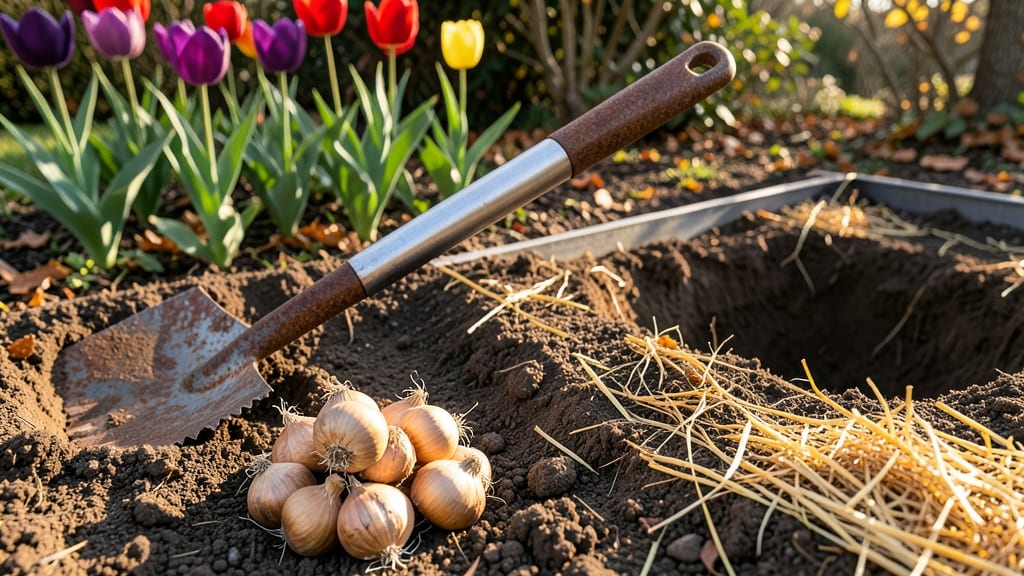
Planting tulip bulbs 🌷 in California isn’t as simple as waiting for fall—your location could mean the difference between vibrant spring blooms and wasted bulbs. Coastal areas like San Diego thrive with late fall planting, while inland deserts need bulbs in the ground by November to avoid summer heat stress.
With California’s 9b-10a zones offering everything from frost-free coastlines to chilly inland valleys, timing is everything. Skip the guesswork and learn the exact windows that work for your microclimate, ensuring your tulips emerge strong and ready to bloom.
I’ll break down when to plant in November-January for coastal areas versus October-December for milder inland zones, plus how soil temperature and frost dates (or lack thereof) impact success.
Ready to transform your garden? Let’s dive into the perfect planting schedule so your tulips don’t miss their spring debut—and you don’t either.
California’s tulip planting zones: when to plant by microclimate
California’s diverse microclimates create a puzzle for tulip lovers—what works in frost-free coastal San Diego fails in freeze-prone Sacramento. The key? Planting timing tied to USDA zones 9b-10a and frost-free dates.
Most California gardeners plant between October and January, but your exact window depends on where you live.
Coastal areas like San Francisco and Santa Barbara (Zone 10a) enjoy mild winters with no frost risk, while inland valleys like Fresno and Bakersfield (Zone 9b) face occasional light freezes.
Desert regions such as Palm Springs (Zone 10b) can plant later due to their warm winters. Let’s break down the 5 critical planting zones and their perfect timing.
🌱
California Tulip Planting Zones
| Zone | USDA Zone | Best Planting Window | Key Notes |
|---|---|---|---|
| Coastal (SF, LA, SD) | 10a | November–January | Mild winters; plant after first rains for moisture. |
| Central Valley (Sacramento, Fresno) | 9b | October–December | Light frosts possible; plant early to establish roots. |
| Desert (Palm Springs, Joshua Tree) | 10b | December–February | Warm winters; plant later to avoid summer heat stress. |
| Sierra Foothills (Sacramento, Chico) | 8a | September–November | Early frost risk; plant as soon as soil cools. |
| High Desert (Barstow, Ridgecrest) | 9a | October–December | Cold nights; mulch heavily after planting. |
For coastal gardeners, aim for November planting—this gives bulbs time to root before mild winter rains.
In Central Valley, plant by mid-November to avoid early December frosts that can damage emerging shoots. Desert regions can wait until December, but avoid planting after January when summer heat arrives.
Pro tip: Use soil thermometers to confirm 50–60°F soil temps before planting. Bulbs need cool soil to initiate root growth, even in warm zones. If your soil stays above 65°F, wait until nighttime temps drop below 70°F.
Early-flowering varieties like ‘Darwin Hybrid’ tulips thrive in California’s climate and can bloom as early as February if planted in October. For later blooms in March–April, opt for ‘Parrot’ or ‘Fosteriana’ types and plant in December.
Remember: Tulips need 12–16 weeks of cold dormancy to bloom. In frost-free zones, this means planting 6–8 weeks before your average last frost date—even if frost never arrives. For San Diego (Zone 10a), that’s November; for Sacramento (Zone 9b), it’s October.
🌷
One common mistake? Planting in summer or early fall when soil is still warm. Bulbs planted in August or September in inland areas may rot before roots form. Always check local frost dates—the USDA Plant Hardiness Zone Map is your best friend for California’s tricky transitions.
For container gardening, adjust timing by 2–4 weeks earlier since pots heat up faster. Place containers in shaded areas during the day and move to sunny spots at night to mimic cooler ground temps. This trick works wonders for balcony gardens in LA or San Francisco.
Critical mistakes to avoid when planting tulips in California’s climate
California’s mild winters and diverse climates trick even experienced gardeners into making costly tulip-planting mistakes. The biggest? Planting in summer heat or ignoring soil prep for clay-heavy regions like the Central Valley. These errors can leave bulbs rotting or blooms failing to emerge, wasting your investment and springtime hopes.
Another common blunder is overlooking bulb depth for sandy coastal soils. In areas like San Diego or Santa Barbara, bulbs planted too shallow risk drying out, while those in Sacramento’s clay may suffocate if buried too deep.
Let’s fix these before your tulips become a lesson in what not to do.
🚨 CRITICAL WARNING: Never plant tulips in summer or early fall (June–October) in California. The heat forces bulbs to prematurely sprout, leaving them vulnerable to drought stress or rodent damage before winter dormancy.
Even in frost-free zones like Los Angeles, bulbs need 6–8 weeks of cool soil temps (50–60°F) to root properly.
High-Risk Zones & Fixes
Problem: Planting in clay soil (Central Valley) or sandy soil (Coastal) without prep.
Fix: Amend clay with compost/sand; add organic matter to sandy soil. Aim for well-draining but moisture-retentive soil.
Many gardeners also ignore bulb spacing for California’s drought-prone summers. Crowding bulbs (planting closer than 4 inches) creates competition for water and nutrients, stunting blooms.
In dry inland zones like Palm Springs, space bulbs 6 inches apart and mulch with 2–3 inches of straw to retain moisture.
Finally, skipping soil warming in cooler zones (e.g., Northern California’s foothills) delays blooming. If your soil stays below 50°F for too long, bulbs may fail to sprout. Use black plastic mulch or a cold frame to warm the soil 2–3 weeks before planting.
By avoiding these mistakes, your tulips will thrive in California’s unpredictable climate, delivering vibrant spring blooms year after year—no guesswork required. Start with the right timing, soil prep, and spacing, and you’ll turn potential pitfalls into showstopping success.