
Vegetables
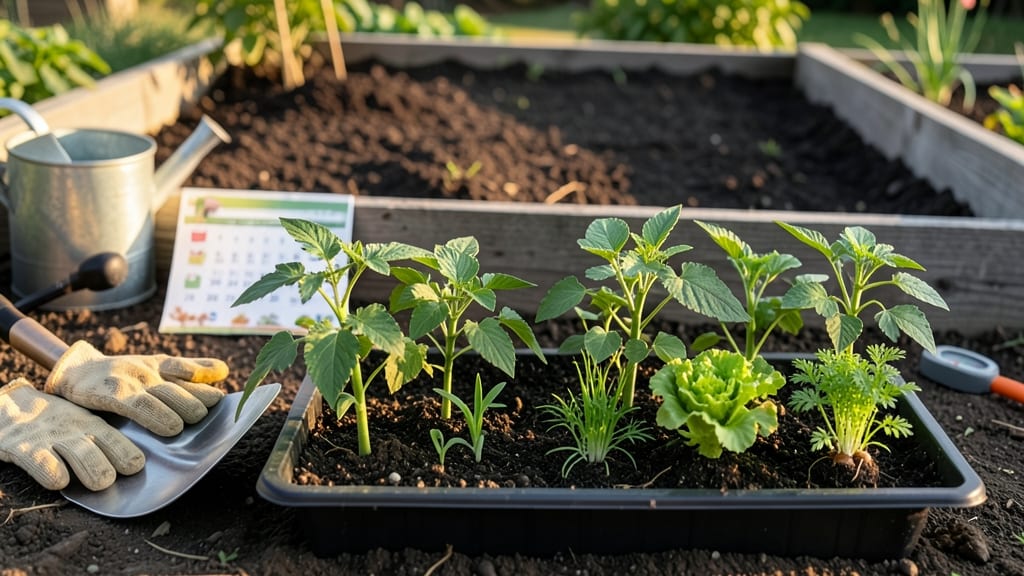
When do you plant vegetables in Oklahoma?—it’s not just about following a calendar, but surviving unpredictable frosts that can turn a week’s work into a sad, brown memory. Whether you're in the panhandle’s Zone 6A or the southeast’s Zone 8B, planting too early or late means risking your tomatoes or peppers never reaching their full potential.
I’ve spent years watching gardens thrive (and fail) across Oklahoma’s 7 heat zones, and the difference always comes down to one thing: knowing your frost-free deadlines.
Skip this step, and you might end up with bolting lettuce or stunted squash—no matter how much love you pour into the soil. Let me show you exactly when to plant each crop, so you can enjoy a harvest that lasts from summer through fall.
From cool-season greens like spinach to heat-loving staples like okra, Oklahoma’s climate demands precision. We’ll break down the perfect planting windows for your county, plus how to adjust for late frosts or early heatwaves. No more guessing—just data-backed deadlines that actually work for Oklahoma gardens.
Ready to grow a garden that feeds your family instead of the birds? Let’s dive into the exact months you should be planting—so you can enjoy the rewards of your hard work, not the regret of missed opportunities.
Oklahoma planting zones: frost-free dates by county and heat zone
Oklahoma spans USDA hardiness zones 6A–8B, meaning frost dates vary dramatically from the panhandle to the southeastern hills. Knowing your last spring frost and first fall frost is critical—planting tomatoes in Zone 6A before May 15 risks frost damage, while Zone 8B gardeners can start warm-season crops in March.
Here’s how to pinpoint your exact planting window.
Start by checking your county’s average frost dates using the Oklahoma State University Extension’s interactive map or the USDA Plant Hardiness Zone Map. For example, Tulsa (Zone 7A) typically sees its last frost around April 15**, while Lawton (Zone 7B) waits until April 25.
The panhandle’s Zone 7A–8A areas often escape frost by March 15, letting gardeners plant earlier.
Use this 3-step method to refine your timing:
- Find your USDA zone;
- Adjust for your county’s microclimate (e.g., valleys frost later);
- Subtract 2–4 weeks for cool-season crops like broccoli or add 1–2 weeks for warm-season crops like peppers to avoid early heat stress.
| Zone | Last Spring Frost | First Fall Frost | Example Counties |
|---|---|---|---|
| 6A | April 25–May 5 | October 20–November 5 | Oklahoma City, Stillwater |
| 7A | April 10–April 20 | October 30–November 10 | Tulsa, Lawton |
| 7B | March 25–April 10 | November 5–November 15 | Altus, Woodward |
| 8A | March 1–March 15 | November 20–December 5 | Idabel, McAlester |
🌱 Pro Tip: Add 2 weeks to frost dates if your garden sits in a low-lying area—cold air sinks!
For Zone 6A gardeners, focus on cool-season crops like spinach and peas in early spring, then shift to warm-season crops like tomatoes and squash after May 15.
In Zone 8A, you can plant warm-season crops as early as February 15 and extend harvests into December with row covers.
Local Oklahoma State University Extension offices provide county-specific frost data—call or visit their websites for hyper-local advice. For example, Comanche County often sees later frosts than Cleveland County, even though both are in Zone 7A. Always verify before planting!
If you’re unsure, use frost-sensitive plants like marigolds or basil as test plants. Plant them 2–3 weeks before your target planting date—if they survive, your garden is ready for tomatoes or peppers. This trick saves costly mistakes.
Remember: Soil temperature matters more than air temperature. Use a soil thermometer to confirm 50°F+ for cool-season crops and 60°F+ for warm-season crops before planting. Cold soil stunts growth, even if the air is warm.
For fall planting, count backward from your first frost date. Most vegetables need 60–90 days to mature, so start seeds or transplants 3–4 months before frost. For example, in Zone 7A, plant kale or carrots by July 15 for a fall harvest.
Don’t let Oklahoma’s unpredictable weather derail your garden. Use these frost-free guidelines as your baseline, then adjust based on local observations and microclimates. With the right timing, you’ll enjoy a bountiful harvest from spring to frost! 🌿
Best vegetables to plant by season in Oklahoma (with exact months)
Oklahoma’s diverse climate means your planting calendar should shift with the seasons. Cool-season crops thrive in spring and fall, while warm-season veggies need summer’s heat.
Miss the window, and you’ll end up with stunted plants or bolting greens. Let’s break down the best planting months for Oklahoma’s top vegetables.
For cool-season vegetables, start seeds indoors in February or sow directly in March-April. These include spinach, broccoli, and peas, which handle light frosts but bolt in summer heat.
In Zone 6A (like Tulsa), aim for March 15–April 15 for direct sowing, while Zone 8B (like Lawton) can plant as late as April 1–May 1.
🌱 Oklahoma Planting Calendar by Season
Spinach, Broccoli, Peas
🌡️ 40–60°F soil
Tomatoes, Peppers, Okra
🌡️ 60–80°F soil
Kale, Carrots, Radishes
🌡️ 50–70°F soil
Warm-season vegetables like tomatoes, peppers, and okra need soil temperatures above 60°F. In Zone 7A (Oklahoma City), wait until April 20–May 10 to plant seeds directly, while Zone 6A gardeners should hold off until May 1–June 1. Transplants can go in 2 weeks earlier to jumpstart growth.
Don’t forget succession planting! For bush beans, lettuce, and radishes, sow seeds every 2–3 weeks from March through July to ensure a steady harvest. This works especially well in Zone 8B, where you can stretch harvests into early winter with cold-hardy varieties.
For fall crops, plant kale, carrots, and radishes in August (Zone 6A) or September (Zone 8B). These thrive in cooler weather and can handle light frosts, giving you harvests until November or December. Use black plastic mulch to warm soil for earlier plantings.
Oklahoma’s microclimates mean timing varies by region. The panhandle (Zone 7B) can plant 1–2 weeks earlier than southeastern Oklahoma (Zone 7A). Always check local frost dates from the Oklahoma State University Extension for your county’s specifics.
With these seasonal guidelines, you’ll avoid common mistakes like planting tomatoes too early or missing the fall harvest window. Happy planting—your garden’s bounty is just months away! 🌱