
Plants
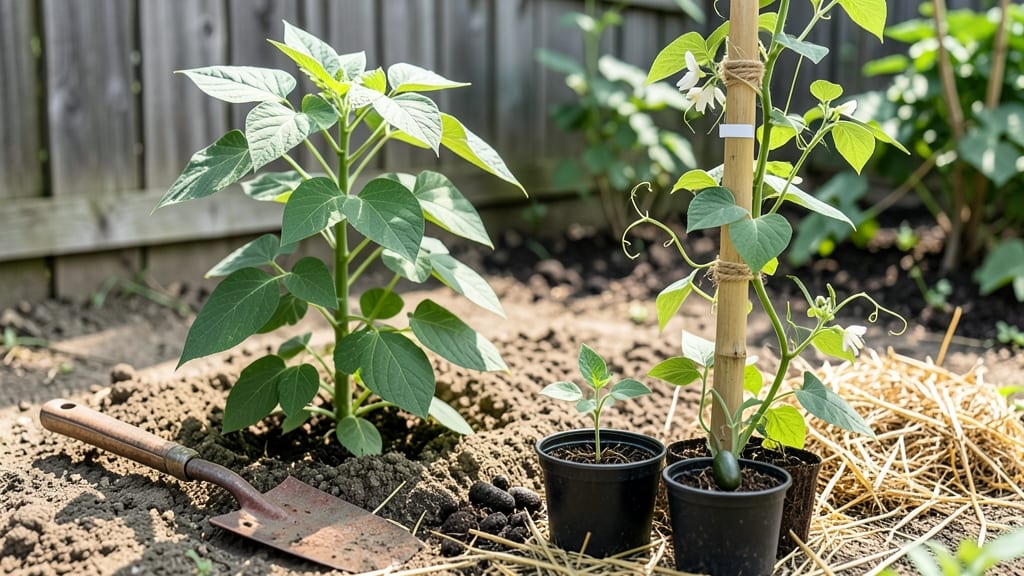
Planting green beans in Missouri isn't just about waiting for spring—it's about catching that 30-day window between soil warming and summer heat that makes all the difference between a bountiful harvest and a sad, wilted failure.
I've learned the hard way that Missouri's 5b-6b zones demand precision: plant too early, and frost zaps your tender 🌱 green beans before they even sprout; too late, and you're left with stunted plants struggling through August's heat.
The secret lies in understanding your county's last frost date while tracking soil temperatures—because those seeds won't germinate properly until the dirt hits 60°F.
What you're about to discover is a two-season strategy that works for both spring and fall plantings, plus how to stretch your harvest from June through October using simple techniques most gardeners overlook.
Whether you're growing bush varieties or climbing poles, these timing tips will help you avoid the most common mistakes that waste Missouri gardeners' hard work.
Let's break down exactly when to plant—county by county—so you can start your seeds with confidence, knowing you're giving them the perfect head start in Missouri's unpredictable climate.
Missouri green bean planting dates by soil temperature Zones (not county frost dates)
Green beans thrive when planted in soil temperatures between 50°F and 60°F, not just after the last frost. Missouri’s varied microclimates mean your county’s frost date alone won’t guarantee success—soil warmth is the real game-changer.
For example, St. Louis (Zone 6a) might see frost-free by April 15, but soil won’t warm enough for beans until May 1. Northern counties like St. Joseph (Zone 5b) often wait until June for safe planting.
Missouri’s three distinct planting windows—early (April-May), mid (May-June), and late (July-August)—align with soil temperature shifts. Early plantings risk cold soils, while late starts can outpace summer heat. Pole beans handle heat better than bush varieties, making them ideal for July-August sowings in southern Missouri.
Use a soil thermometer to confirm readiness: 50°F+ for germination, 60°F+ for vigorous growth. In northern Missouri (Zones 5a-5b), wait until soil hits 60°F—typically mid-May to early June. Southern regions (Zones 6a-6b) can start as early as late April in protected beds.
Missouri’s 165-day frost-free window (April 15–October 15) creates two prime harvests: June–July (spring planting) and September–October (fall planting). Fall plantings benefit from cooler temps and fewer pests, but rush them, and beans mature before first frost. Succession planting every 2 weeks in May-June extends harvests by 4-6 weeks.
| Planting Window | Soil Temp Requirement | Missouri Regions | Varieties to Choose |
|---|---|---|---|
| Early (April–May) | 50–55°F | Southern (6a-6b) | Blue Lake, Contender |
| Mid (May–June) | 60–65°F | Central (5b-6a) | Kentucky Wonder, Provider |
| Late (July–August) | 65–70°F | Northern (5a-5b) | Blue Lake Pole, Rattlesnake |
Cold soils delay germination by 10–14 days, so never plant before May 1 in northern Missouri or April 15 in the south.
Test soil with your finger: if it feels cold to the touch, wait. Black plastic mulch warms soil by 5–10°F faster than bare earth, letting you plant 2–3 weeks earlier in spring or 2 weeks later in fall.
Missouri’s heat waves in July-August can stress green beans, but pole varieties like Blue Lake Pole tolerate higher temps better than bush types. For late plantings, choose heat-tolerant seeds (look for "long-season" labels) and provide afternoon shade with row covers.
In St. Louis and Kansas City, July plantings often yield 20% more than June starts.
Direct sowing is best for green beans—they hate transplanting. Plant seeds 1 inch deep, 3–4 inches apart in rows 18–24 inches apart.
Thinning seedlings to 4–6 inches apart improves airflow and reduces disease. Bush beans mature in 50–55 days, while pole beans take 55–65 days, so time your last planting to finish 6–8 weeks before first frost.
Missouri’s northern counties (e.g., St. Joseph, Kirksville) should prioritize early-maturing varieties like Blue Lake Bush (50 days) to avoid frost. Southern areas (e.g., Poplar Bluff, Cape Girardeau) can experiment with late-season varieties like Rattlesnake (60 days) for October harvests.
Always check your USDA Zone (5b–6b) and adjust planting dates by 1–2 weeks based on local microclimates.
Pro tip: Plant a mix of bush and pole beans to stagger harvests. Bush beans produce all at once (great for canning), while pole beans yield over 6–8 weeks (ideal for fresh eating). In Missouri’s short season, this combo maximizes your 60–90-day harvest window.
County-specific frost-free deadlines for Missouri green bean planting (2024 data)
Missouri’s 114 counties span USDA Zones 5b-6b, meaning frost-free dates vary by 10-14 days between northern and southern regions. For green beans, which thrive in 60-85°F soil, timing your planting to these deadlines ensures maximum yield before fall frosts hit.
Northern counties like St. Louis County (Zone 6a) have later frost risks, while southern Cape Girardeau County (Zone 6b) can safely plant 2 weeks earlier.
Use this 2024 county data to adjust your planting schedule. Most gardeners in Missouri target two planting windows: April 15–May 15 for spring crops and July 1–August 1 for fall harvests.
Pole varieties, like 'Kentucky Wonder', need 60+ days to mature, while bush varieties, such as 'Blue Lake', mature in 50-55 days—critical for northern counties with shorter seasons.
Below, I’ve grouped Missouri’s counties into 3 regions (Northern, Central, Southern) with their average last frost dates and recommended planting windows. For heat-tolerant varieties like 'Contender' or 'Mascotte', you can push late-season plantings into mid-August in southern regions.
For northern Missouri, where frost lingers until May 5, focus on bush varieties like 'Blue Lake' for faster harvests. In central regions, you can experiment with pole beans for higher yields, but plant no later than July 15 to avoid heat stress.
Southern counties can safely plant heat-tolerant varieties like 'Tendergreen' as late as mid-July for fall harvests.
Pro tip: Check your local cooperative extension office for 2024-specific frost data, as climate shifts can delay frost by 1-2 weeks. For example, St. Louis County saw its last frost on May 10 in 2023—planting 'Kentucky Wonder' on May 1 would risk frost damage.
Always wait until soil temps hit 60°F (use a soil thermometer for accuracy).
Missouri’s fall frost typically arrives October 15–November 1, giving you 165 frost-free days in most regions. Use this time wisely: succession plant every 2 weeks in July-August to stagger harvests, and protect late-season plants with row covers to extend yields into October. 🌱