
Planting
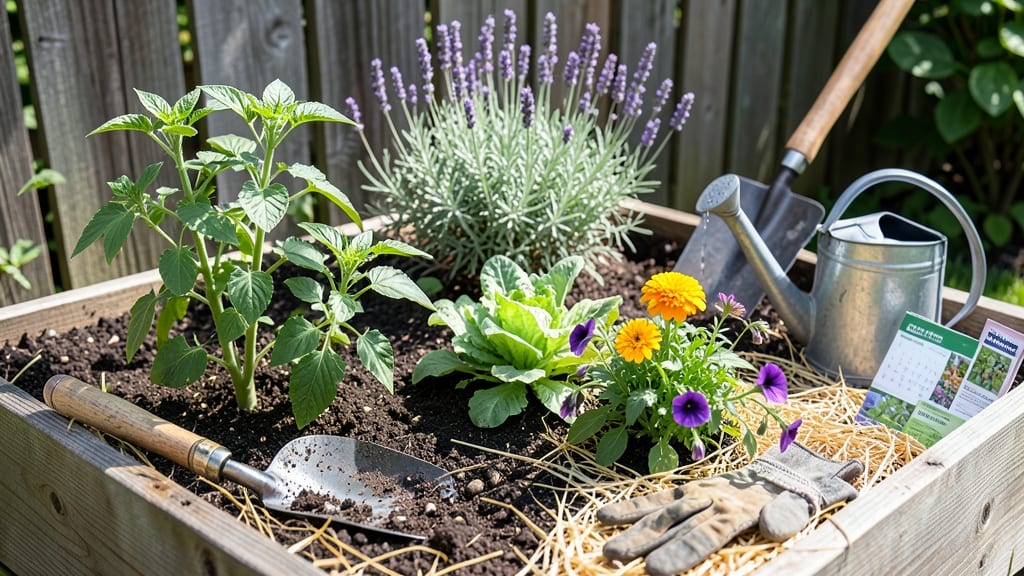
Timing your garden right in Ohio isn’t just about luck—it’s about knowing when to plant your 🌱 General Garden Plants to beat frost and maximize harvests. With USDA Zone 6a weather that can swing from icy nights to scorching days, getting the schedule wrong means wasted seeds or stunted growth.
Most Ohio gardeners wait until mid-April (after the average last frost on April 15) to plant heat-loving veggies, but cool-season crops like lettuce and peas can go in as early as March.
The key? Checking your county’s frost-free dates and soil temperatures—because planting too soon risks a frost kill, while waiting too long cuts your growing season short.
I’ll break down the exact windows for spring, summer, and fall planting, so you can align your 🌱 General Garden Plants with Ohio’s quirky weather patterns. Whether you’re a beginner or a seasoned gardener, these deadlines will help you avoid common mistakes and grow a thriving garden.
Ready to stop guessing and start growing? Let’s dive into the perfect planting calendar for your Ohio garden—no more lost seasons or bolted greens.
Ohio’s frost-free dates by county: when to plant cool-season vs. warm-season crops
Ohio’s gardening season hinges on frost-free dates, which vary dramatically across its 87 counties. Northern counties like Ashtabula (Zone 5b) average their last frost on May 15, while southern counties like Lawrenceburg (Zone 7a) see frost-free conditions by March 20.
These dates determine whether you’re planting cool-season crops (like lettuce or peas) or waiting for warm-season staples (tomatoes, peppers).
Miss the window, and you risk frost damage or stunted growth. For example, southern Ohio’s Zone 6b gardeners can plant tomatoes as early as April 20, while northeastern Ohio’s Zone 5a must wait until May 10—a 20-day difference that matters for harvest timing.
Always check your local USDA heat zone and historical frost data from the Ohio State University Extension.
🌱
| County/Region | USDA Zone | Avg. Last Frost | Cool-Season Planting Window | Warm-Season Planting Window |
|---|---|---|---|---|
| Northern Ohio (e.g., Ashtabula, Erie) | 5a-5b | May 10–15 | March 15–April 15 | May 15–June 1 |
| Central Ohio (e.g., Columbus, Dayton) | 6a-6b | April 10–20 | February 20–March 30 | April 20–May 10 |
| Southern Ohio (e.g., Cincinnati, Lawrenceburg) | 6b-7a | March 20–April 5 | January 20–February 20 | March 20–April 15 |
| Southwest Ohio (e.g., Hamilton, Butler) | 7a | March 15–25 | January 15–February 15 | March 15–April 5 |
📅 Pro Tip: Use row covers to extend cool-season planting by 2–3 weeks in colder zones.
Cool-season crops like kale, spinach, and peas thrive when planted 4–6 weeks before your last frost date. For example, in Zone 6b Columbus, sow seeds by March 1 for a May harvest.
Meanwhile, warm-season crops (tomatoes, peppers, squash) need soil temps above 60°F, so wait until 2 weeks after your last frost date.
Ohio’s first frost typically arrives between October 10–20, depending on the region. This signals the end of warm-season planting but opens a window for fall crops like broccoli, carrots, and radishes. Plant these 6–8 weeks before your first frost for a harvest before winter.
In southern Ohio (Zone 7a), you can even squeeze in a second planting of tomatoes in early July for a late-summer harvest.
Don’t rely solely on calendar dates—monitor soil temperatures with a soil thermometer. Most cool-season crops need soil at 40–50°F, while warm-season crops require 60–70°F. If your soil is too cold, seedlings may rot or fail to germinate.
For example, tomato seeds won’t sprout below 55°F, so wait until soil warms up in late April or May in northern Ohio.
Use Ohio State’s Frost-Free Date Map as a starting point, but adjust for <
How to adjust planting times for Ohio’s microclimates and unpredictable weather
Ohio’s weather is famously unpredictable, with late spring frosts striking even after warm spells. In northern Ohio (like Ashtabula County), the last frost can hit May 15, while southern Ohio (like Hamilton County) often sees frost-free conditions by April 15.
These swings make timing critical—especially for cool-season crops like lettuce or warm-season crops like tomatoes.
To beat Ohio’s false springs, use soil thermometers and local frost alerts. The National Weather Service provides county-specific forecasts, but I always cross-check with 3-year averages from my local Ohio State University Extension office.
For example, Columbus averages a last frost of April 20, but 2023 saw frost linger until May 5.
Here’s my pro tip: Plant hardy cool-season crops (like kale or peas) 2–4 weeks before your county’s average last frost. Use row covers or cold frames to extend your window by 2–4 weeks.
For warm-season crops, wait until soil temps hit 60°F—even if daytime temps feel warm. A false spring in March can trick you into planting tomatoes too early, only for a late frost to kill them.
⚠️ Late Frost Warning
Never plant tomatoes, peppers, or cucumbers before May 1 in northern Ohio—even if nights are warm. A single frost can destroy tender seedlings in hours. Use black plastic mulch to warm soil faster, or start these crops indoors 6–8 weeks before your last frost date.
Urban gardeners: City areas (like Cincinnati) often have microclimates that warm up 3–5 days earlier than rural zones. Check rooftop temps with a thermometer—concrete absorbs heat faster.
For fall planting, aim to sow cool-season crops like spinach or carrots by August 15 in southern Ohio and September 1 in the north. These plants need 60–90 days to mature before first frost.
I’ve had success with late-season kale planted in October—just cover it with straw mulch to insulate roots.
If your garden bed sits in a low spot or near a pond, expect 2–3°F colder temps than higher areas. Use raised beds to warm soil faster or plant frost-sensitive crops on south-facing slopes.
For container gardens, move pots closer to sunny walls at night to protect them from radiation frosts.
Finally, track your own data. Note when your first frost hits each year and adjust planting dates accordingly. Over time, you’ll spot patterns—like how 2022’s early frost in Lorain County came 10 days earlier than average.
With these tweaks, you’ll maximize your Ohio garden’s potential—no more wasted seedlings or missed harvests! 🌱