
Plants
If you’ve ever wondered when to plant tulip bulbs in North Carolina, timing is the secret to vibrant spring blooms—or a wasted investment. The wrong window means bulbs rotting in soggy soil or blooming too late in the season, leaving you with floppy, heat-stressed 🌷.
North Carolina’s USDA Zones 6b-8a give you a 4-6 week window each fall, but missing it by even a few weeks can spell disaster. Whether you’re in Raleigh’s Zone 7a or Asheville’s cooler microclimate, the key is planting bulbs 4-6 weeks before the ground freezes—typically between mid-October and mid-November.
I’ll break down the exact deadlines for your zone, how to prep bulbs for NC’s unpredictable winters, and why soil temperature matters more than frost dates. Skip the guesswork and plant with confidence—your spring garden will thank you.
Ready to avoid the most common mistakes? Let’s dive into the perfect planting schedule to ensure your tulips burst into color right before summer heat takes over.
North Carolina tulip planting deadlines by Zone (7a vs 7b)
North Carolina’s USDA Zones 7a and 7b offer a 6-week window for planting tulip bulbs, but timing is critical. In Zone 7a (Raleigh, Asheville), aim for October 15–November 15, while Zone 7b (Charlotte, Greensboro) can extend slightly to November 15–December 1.
This schedule ensures bulbs root before winter but avoid summer heat.
Your last frost date is your deadline’s anchor. In Zone 7a, expect frost by November 15, while Zone 7b holds until December 1. Plant 4–6 weeks before the first hard frost to allow roots to establish without bulb rot.
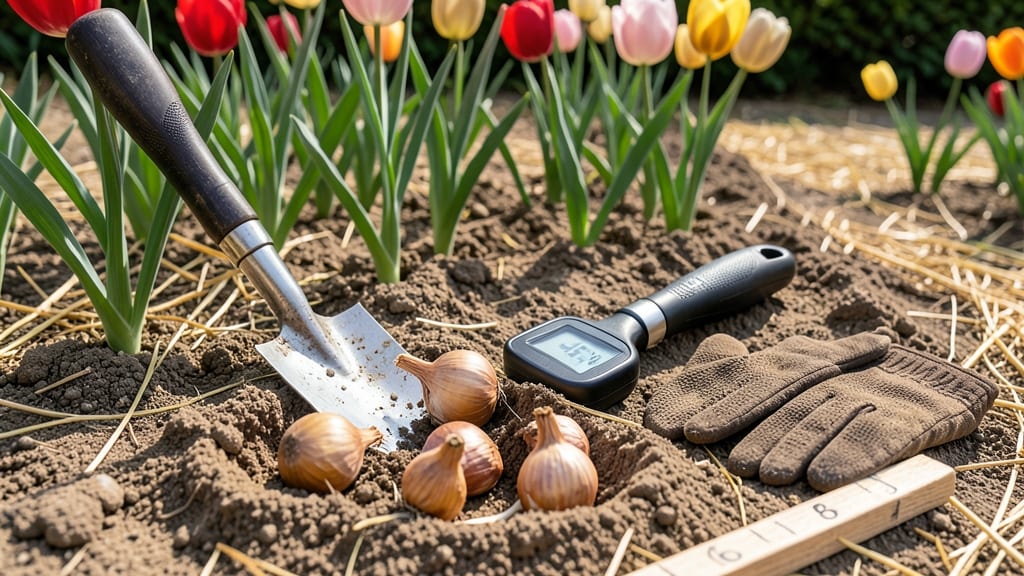
Soil temperature is your second checkpoint. Tulip bulbs need soil at 40–50°F—warmer than 55°F risks rot, while colder than 35°F may stunt root growth. Use a soil thermometer to confirm readiness, especially in early October.
Microclimates matter! Asheville’s cooler elevations (Zone 7a) may need earlier planting, while Charlotte’s urban heat islands can tolerate slightly later dates. Adjust by 1–2 weeks based on local frost history.
🌷
| Zone | Planting Window | Soil Temp | Frost Buffer | Key Cities |
|---|---|---|---|---|
| 7a | October 15–November 15 | 40–50°F | 4–6 weeks before frost | Raleigh, Asheville |
| 7b | November 1–December 1 | 40–50°F | 4–6 weeks before frost | Charlotte, Greensboro |
Don’t wait until late November—soil may freeze, preventing root growth. Conversely, planting in early September risks bulbs sprouting too soon, only to wither in summer heat. Aim for mid-October as your ideal midpoint.
For extended blooms, stagger planting dates. Start with early varieties (e.g., ‘White Dream’) in late October, then add late bloomers (e.g., ‘Queen of Night’) in early November. This creates a 3–4 week display from April to May.
Local frost data helps fine-tune timing. Check the NC State Climate Office for your county’s 30-year averages. For example, Asheville’s first frost often hits October 28, while Charlotte’s may linger until November 15.
Pro tip: Use mulch (2–3 inches) after planting to insulate bulbs and regulate soil temperature. Remove mulch in early spring to prevent rot before blooming.
Missed the fall window? January planting is your backup—just ensure soil isn’t frozen. Bulbs may bloom 2–3 weeks later but still reward you with spring color.
5 Signs your tulip bulbs are ready to plant in NC (and 3 mistakes to avoid)
Planting tulip bulbs at the right time in North Carolina means watching for soil temperature, bulb condition, and weather forecasts. Cold soil can stunt growth, while warm soil too early risks rot.
Aim for 40–50°F soil temps—a simple soil thermometer makes this easy to check. In Zone 7a, this usually aligns with late October, while Zone 7b gardeners have until early November.
Healthy bulbs are firm, plump, and free of soft spots or mold. Squeeze gently—if it feels mushy, it’s past its prime. Store bulbs in a cool, dry place (like a garage) until planting day.
Avoid refrigeration unless you’re prepping for spring planting, which isn’t ideal for tulips in NC’s climate. Pro tip: Plant bulbs as soon as they arrive if you’re buying in September.
Check the moon phase for extra guidance—rooting is best during a waxing moon (when roots grow downward). While not scientific, many NC gardeners swear by it for stronger bulb establishment. Pair this with a 10-day frost forecast to ensure bulbs have time to root before winter sets in.
| Sign | What It Means | Action |
|---|---|---|
| Soil temp 40–50°F | Ideal for root growth | Plant bulbs 6–8 inches deep |
| Bulbs firm, no mold | Healthy and viable | Store in cool, dry place until planting |
| Waxing moon phase | Encourages root growth | Plant during this phase for best results |
| 10-day frost-free window | Bulbs need time to root | Plant 4–6 weeks before first frost |
Avoid these 3 common mistakes that NC gardeners make: planting too deep (buries the bulb beyond its roots), ignoring soil drainage (tulips hate soggy soil), or choosing late-blooming varieties for early planting. Darwin Hybrid tulips, for example, thrive in NC’s heat and bloom reliably if planted by mid-October.
Test your soil’s drainage by digging a hole, filling it with water, and timing how long it takes to drain. If water lingers beyond 2 hours, amend with compost or sand. Mulch after planting with 2–3 inches of straw to insulate bulbs from temperature swings and protect against vole damage.
Finally, mark your planting spots with flags or a garden map—tulips take time to emerge, and forgetting where they’re planted is a rookie mistake. In Zone 7a, expect shoots by late February; in Zone 7b, they’ll peek through soil even earlier.
Patience pays off with bold spring blooms that last for weeks! 🌷