
Plants
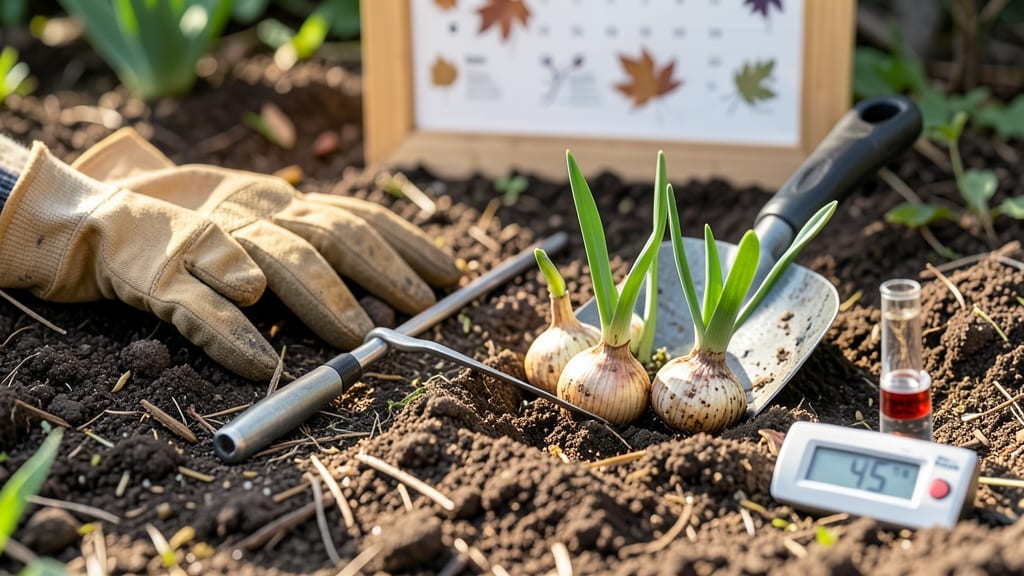
Planting tulip bulbs 🌷 in Illinois at the wrong time can mean freezing your dreams of spring blooms before they even begin—but get the timing right, and you’ll enjoy vibrant colors every April and May.
The key lies in understanding your local frost dates and planting 6-8 weeks before the ground freezes, typically between October and November.
For Illinois gardeners in USDA zones 5a-6b, this usually means starting in early October, when soil temperatures drop but haven’t yet hardened. Missing this window risks bulbs rotting in soggy soil or freezing before they establish roots—both deadly for your 🌷 tulips.
I’ll walk you through exactly how to calculate your ideal planting window, including soil prep and bulb depth, so you can avoid common mistakes. Whether you’re in Chicago, Springfield, or Peoria, these steps will ensure your tulips thrive through Illinois winters.
Ready to set your garden up for success? Let’s dive into the science-backed method for planting tulips that will bloom beautifully next spring—no guesswork required.
Illinois frost dates and ideal tulip bulb planting window
Timing is everything when planting tulip bulbs in Illinois. The USDA Zone 5a-6b climate means your exact planting window depends on average frost dates and soil temperature. Most Illinois gardeners aim to plant 6-8 weeks before the ground freezes, typically between mid-October and mid-November.
But don’t guess—use a frost-date calculator for your specific region.
Illinois experiences regional variations in frost timing. Northern areas like Chicago (Zone 5b) often see earlier frosts, while southern areas like Springfield (Zone 6a) have slightly later windows.
The 6-week rule ensures bulbs establish roots before winter, preventing winter kill. For example, if your first frost is November 15th, plant by October 1st.
Here’s how to determine your exact planting window:
| Region | Average First Frost | Ideal Planting Window | Soil Temp Goal |
|---|---|---|---|
| Northern Illinois (Chicago, Zone 5b) | Mid-October | Late September to early October | Below 60°F |
| Central Illinois (Springfield, Zone 6a) | Late October | Mid-October to early November | Below 60°F |
| Southern Illinois (Peoria, Zone 6b) | Early November | Late October to mid-November | Below 60°F |
To find your exact frost dates, use the National Weather Service or Old Farmer’s Almanac tools. These resources provide 10-year averages for your ZIP code, helping you adjust for early or late frosts.
For example, if your area has a history of early frosts, plant 2-3 weeks earlier than the average window.
Soil temperature is just as critical as frost dates. Tulip bulbs need cooler soil (below 60°F) to trigger root growth. Test your soil with a soil thermometer—if it’s still warm, wait a few more days.
Planting too early in hot soil can cause bulbs to sprout prematurely, leading to weak growth or winter damage.
Pro tip: If you’re unsure about your frost date, use the “first snowfall” rule. In Illinois, snow often arrives 2-3 weeks after the first frost. Plant your bulbs 4-6 weeks before your expected snowfall to ensure they’re established before winter sets in.
For gardeners in Zone 5a (northern Illinois), consider adding a 2-3 inch layer of mulch after planting. This extra insulation helps protect bulbs from freeze-thaw cycles, which can damage emerging roots.
In Zone 6b (southern Illinois), mulch is still beneficial but slightly less critical due to milder winters.
Remember, tulips are perennial in Illinois if planted correctly. A well-timed planting now means years of spring blooms with minimal effort. Mark your calendar for October 15th as your target date—this gives you a 2-week buffer before the average frost in most of Illinois.
If you miss the ideal window, don’t panic. You can plant tulips as late as early December, though survival rates drop. For late plantings, choose hardier varieties like Darwin Hybrids or Fosteriana tulips, which tolerate colder soils better than delicate Parrot Tulips.
Track your success by noting the bloom time each year. Early plantings often yield larger, more vibrant blooms because bulbs have more time to establish roots. Aim to plant by October 31st for the best results—this gives bulbs 6 weeks to root before winter.
Illinois frost dates and ideal tulip bulb planting window
Timing is everything when planting tulip bulbs in Illinois. The key is planting them 6-8 weeks before the ground freezes, which usually lands in late September to mid-November. Illinois falls in USDA zones 5a-6b, where winters can be brutal for unprepared bulbs.
If you plant too early, bulbs may sprout and get nipped by early frosts. Plant too late, and they won’t establish strong roots before winter dormancy.
To pinpoint your exact planting window, check your local average first frost date. Most of Illinois sees its first frost around mid-October, but this varies by region.
For example, Chicago (Zone 5b) typically plants tulips between October 1-15, while Springfield (Zone 6a) has a slightly later window of October 15-November 1. Use the 6-week rule: count back 6 weeks from your first frost date to determine when to plant.
| Region | USDA Zone | First Frost | Planting Window |
|---|---|---|---|
| Northern IL (Chicago) | 5b | Mid-October | October 1-15 |
| Central IL (Springfield) | 6a | Late October | October 15-November 1 |
| Southern IL (Peoria) | 6b | Early November | October 30-November 15 |
For extra precision, use the National Weather Service frost predictor or local gardening extensions like the University of Illinois Extension. They provide real-time frost date alerts based on recent weather patterns.
If you’re unsure, err on the earlier side—bulbs planted too late are more likely to rot than those planted slightly early.
Soil temperature also matters. Tulip bulbs need soil temps between 40-50°F to root properly. In Illinois, this typically happens in late September to early October. Use a soil thermometer to check—if temps drop below 40°F, wait until they rise again before planting.
Cold soil can stunt root growth, leaving bulbs vulnerable to winter kill.
Pro tip: If you miss the fall window, you can plant tulips in early December as long as the ground isn’t frozen. While not ideal, bulbs planted in December will still establish roots and survive Illinois winters, though they may bloom later the following spring.
Just avoid planting in January or February, as the ground is usually frozen solid.
Remember, the goal is to give your tulip bulbs 6 weeks of root growth before winter. With the right timing, you’ll wake up to a vibrant spring display year after year—no winter losses guaranteed! 🌷