
Plants
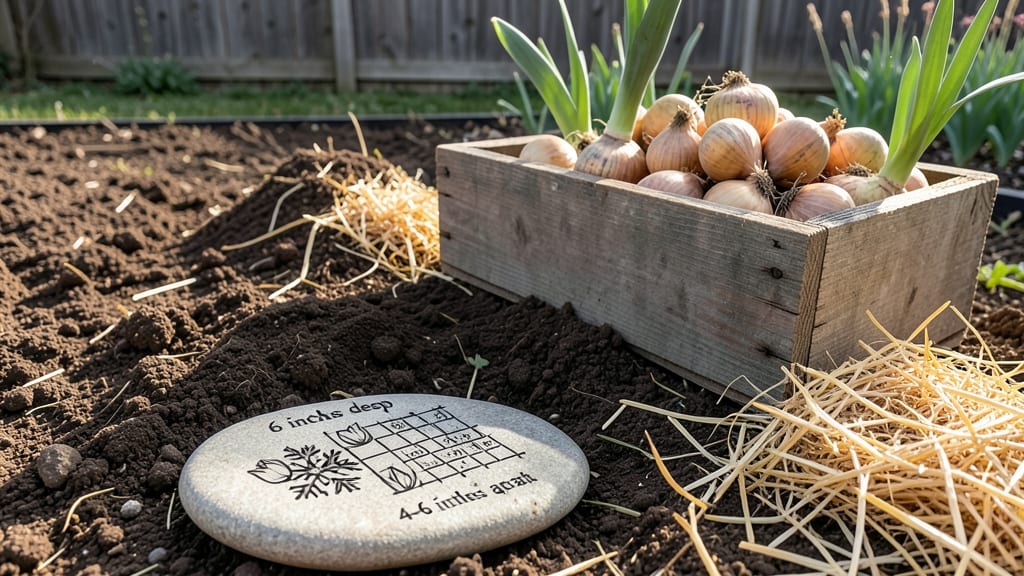
Planting tulip bulbs in New Jersey at the wrong time can mean the difference between a vibrant spring garden and wasted effort. The key window—October through mid-November—aligns perfectly with the region’s 6a-7b climate, ensuring bulbs root before winter’s chill sets in.
But here’s the catch: rushing too early risks rot in cold soil, while waiting too late leaves bulbs vulnerable to frost. New Jersey’s unpredictable fall weather adds another layer—coastal areas may need adjustments compared to inland zones.
I’ll break down the exact timing, soil prep tips, and microclimate tricks to maximize your 🌷 tulip success.
Whether you’re a seasoned gardener or a first-timer, this guide cuts through the guesswork. You’ll learn how to read your garden’s signals, from soil temperature to frost forecasts, and even how container planting can extend your window. Let’s get those bulbs in the ground the right way.
Ready to avoid common pitfalls? I’ll share the one mistake that kills most NJ tulips—and how to skip it entirely. Your spring blooms are just a few weeks away if you plant smart.
New Jersey’s ideal tulip bulb planting window: exact dates by Zone
New Jersey’s USDA Zones 6b-7a create a 6-week frost-free window for planting tulip bulbs—typically from mid-October to mid-November. This timeline ensures bulbs root before winter but avoid soggy soil from early frosts.
The key? Plant when soil temps drop to 50°F—your bulbs need time to establish roots before the ground freezes.
For most of NJ, aim to plant between October 15 and November 15. Coastal areas (like Cape May) can push planting slightly later due to milder winters, while inland zones (like Sussex County) may need to start earlier.
Always check your last frost date—planting too late risks bulbs rotting in cold, wet soil.
Here’s how to break it down by NJ region:
- Northern NJ (Zone 6b): Plant by November 1—earlier frosts demand urgency.
- Central NJ (Zone 7a): Stretch planting until November 15, but avoid December entirely.
- Southern NJ (Zone 7b): A 2-week later window (up to November 30) works, thanks to warmer microclimates.
If you’re unsure about your exact zone, use the USDA Plant Hardiness Zone Map or ask your local NJ Cooperative Extension office. They can provide hyper-local advice, especially if you’re in a microclimate (e.g., near water bodies or urban heat islands).
For container planting, shift your window 2 weeks earlier—pots freeze faster. Pre-chill bulbs for 4-6 weeks in the fridge to mimic winter dormancy, then plant in containers filled with well-draining mix. This trick works for gardeners in Zone 7b who want to push late-season planting.
Remember: No planting after the first frost. Tulip bulbs need cold stratification to bloom, but soggy, frozen soil will kill them. If you miss the window, wait until next fall—tulips won’t survive if planted in warm soil or spring.
Once planted, mulch heavily (3-4 inches) with straw or shredded leaves to insulate bulbs. This protects them from temperature swings and keeps soil temps stable. In early spring, remove mulch to let sunlight warm the soil and trigger blooming.
For early blooms, plant Darwin Hybrid tulips—they thrive in NJ’s climate and often flower 2-3 weeks earlier than other varieties. Pair them with fritillaries for a longer spring display, as these bulbs bloom at different times.
🌷 Key Takeaway: NJ’s tulip planting window is October 15–November 15, but adjust for your zone and microclimate. Plant when soil is cool but not frozen, and always mulch to protect bulbs through winter.
New Jersey’s ideal tulip bulb planting window: exact dates by Zone
New Jersey’s USDA Zones 6b-7a create a unique challenge for tulip lovers—plant too early, and bulbs rot in warm soil; too late, and they won’t root before winter. The 6-week frost-free window between early October and mid-November is your sweet spot.
Aim for soil temperatures below 60°F (test with a soil thermometer) and 6-8 weeks before ground freeze (typically mid-November in most of NJ).
For Zone 6b (northwest NJ), start planting October 1-15—earlier than southern regions. In Zone 7a (coastal areas like Cape May), you’ve got until mid-November but risk late frosts. Check the NJ State Climatologist’s frost predictions for real-time adjustments each year.
| Zone | Ideal Planting Window | Soil Temp Threshold | Last-Minute Deadline |
|---|---|---|---|
| 6b (Northwest NJ) | October 1–15 | Below 60°F | November 1 |
| 7a (Central/Southern NJ) | October 15–November 15 | Below 55°F | November 15 |
| Coastal (Zone 7a) | October 20–December 1 | Below 50°F | December 10 |
Pro tip: Use black plastic mulch in early October to warm soil faster if you’re planting late. For container tulips, extend your window until December 1—pots insulate roots better than ground soil. Just ensure containers are well-draining to prevent winter rot.
Missed the window? Don’t panic. Plant bulbs in late November or December for next year’s blooms, but expect smaller flowers. The key is getting bulbs in the ground before soil freezes solid—even a 1-inch depth of frost can kill unprotected bulbs.
Once planted, mulch with 2-3 inches of straw to insulate bulbs through winter. In urban heat islands (like Newark), soil stays warmer longer—adjust planting 2 weeks later than rural areas to avoid premature sprouting. Always face tulip bulbs southward to catch early spring sunlight.
For early blooms, prioritize Darwin Hybrid tulips (hardy to Zone 4) or Fosteriana varieties—they thrive in NJ’s shorter seasons. Avoid late-blooming species like Caucasian tulips; they struggle with NJ’s humid springs.