
Plants
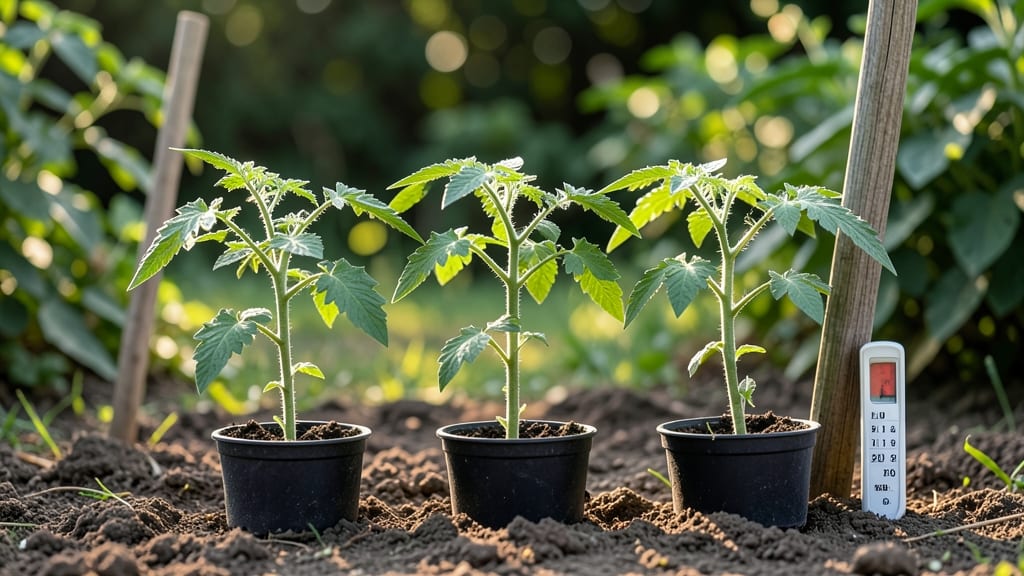
When should you plant tomatoes in Iowa isn’t just about the calendar—it’s about outsmarting frost, soil temperatures, and your local microclimate. Whether you’re a first-time gardener or a seasoned grower, getting those 🍅 seeds in the ground too early could mean a sad, frost-nipped crop, while waiting too long might cut your harvest short.
Iowa’s Zone 5a and 5b regions have different rules, and even within your county, a sheltered backyard might warm up weeks before an exposed hillside. That’s why knowing your last frost date—and adjusting for early or late varieties—is the key to a bountiful summer harvest from July to September.
In this guide, I’ll break down exactly when to plant—whether you’re starting seeds indoors in March or rushing to direct-sow after the mid-April to early June window. You’ll also discover how to use soil thermometers, row covers, and Iowa State University’s frost maps to fine-tune your schedule for success.
Ready to turn your garden into a tomato powerhouse? Let’s dive into the strategies that’ll help you beat Iowa’s unpredictable spring—so you can enjoy homegrown 🍅 all season long.
Iowa’s last frost dates by Zone (5a vs. 5b) and how they affect tomato planting
Iowa’s USDA Zones 5a and 5b create a 10-14 day difference in average last frost dates, which directly impacts when you can safely plant tomatoes.
In Zone 5a (northwest Iowa), the last frost typically occurs around May 10–15, while Zone 5b (southeast Iowa) sees frost-free conditions by May 1–5. These dates are your starting point—but don’t rely on averages alone.
Tomatoes are frost-sensitive and won’t survive temperatures below 32°F. Even a light frost after transplanting can stunt growth or kill young plants. That’s why Iowa State University Extension recommends waiting 10–14 days after your average last frost to ensure soil and air temperatures are stable.
This buffer accounts for late frosts, which aren’t uncommon in Iowa’s unpredictable spring weather.
For example, in Des Moines (Zone 5b), the last frost date is April 15, but gardeners often wait until May 1–5 to plant tomatoes. In Sioux City (Zone 5a), the average last frost is May 10, but the safe planting window extends to May 20–25.
Use the 10-day rule as your guide: Plant when nighttime temperatures consistently stay above 50°F.
Soil temperature is just as critical as air temperature. Tomatoes thrive when soil reaches at least 50°F, but roots develop best in 60–70°F soil.
In Iowa, this often means waiting until late April or early May, even in Zone 5b. Use a soil thermometer to check—planting too soon in cold soil can lead to blossom end rot or poor root establishment.
🌱Pro Tip: Check Iowa State University’s frost maps (updated annually) for your specific county. These maps account for microclimates—like urban heat islands or sheltered garden spots—that can shift frost dates by 3–7 days.
| Zone | Average Last Frost | Safe Planting Window | Soil Temp Goal | Notes |
|---|---|---|---|---|
| Zone 5a (NW Iowa) | May 10–15 | May 20–25 | 50–60°F | Longer frost risk; consider row covers. |
| Zone 5b (SE Iowa) | May 1–5 | May 10–15 | 50–60°F | Warmer microclimates; plant earlier. |
| Urban Heat Islands | April 25–May 5 | May 5–10 | 50–60°F | Cities like Des Moines warm faster. |
If you’re starting tomatoes indoors, begin seeds 6–8 weeks before your last frost date. For Zone 5a, that means early March; for Zone 5b, late February. Use grow lights to provide 14–16 hours of light daily—tomatoes need this to prevent leggy seedlings.
For direct sowing (planting seeds outdoors), wait until soil temperatures are consistently above 60°F. In Iowa, this is usually late May, but it varies by year.
Direct-sown tomatoes take 5–7 days longer to mature than transplants, so choose early-maturing varieties (e.g., ‘Stupice’ or ‘Early Girl’) if you’re sowing seeds after the ideal transplant window.
🌡️Watch for False Springs: Iowa’s weather can swing wildly. If temperatures drop unexpectedly after planting, use row covers or black plastic mulch to protect seedlings. The Iowa State University Extension’s Mesonet provides real-time soil and air temperature data—bookmark it for your county!
Finally, remember that tomato varieties matter. Early varieties (like ‘Mountain Merit’) can handle shorter seasons, while late varieties (like ‘Brandywine’) need Iowa’s full 165 frost-free days. Plan your planting schedule around your chosen varieties to maximize your harvest.
5 Pro Tips for planting tomatoes in Iowa’s unpredictable spring weather
Iowa’s spring weather is famously fickle—one day it’s 70°F and sunny, the next you’re shoveling snow. That unpredictability makes tomato planting a high-stakes gamble if you don’t plan ahead.
The key is flexibility: knowing when to plant, how to protect young seedlings, and what to do if Mother Nature throws a curveball. I’ve learned the hard way that even a light frost after transplanting can set your season back by weeks.
Start by checking the Iowa State University Extension’s frost maps—they update annually with last frost averages for your county. But don’t rely solely on dates; use a soil thermometer to confirm the ground has warmed to at least 50°F.
Cold soil stunts root growth, and tomatoes won’t thrive until the earth is cozy enough for them. I always wait until mid-May in Zone 5a (like in my hometown of Des Moines) and early May in Zone 5b (southern Iowa) to play it safe.
- 🌡️ Use black plastic mulch to warm soil 5–10°F faster than bare earth. Lay it down 2 weeks before planting to give your tomatoes a head start.
- 🌱 Hard-off transplants for 10–14 days before moving them outside. Gradually expose them to wind and cooler temps to toughen them up.
- 🛡️ Keep row covers ready—even if frost warnings are weeks away. A lightweight frost blanket can save seedlings if temps dip below 32°F.
- ☀️ Plant in south-facing beds where cold air pools less. Avoid low spots where frost lingers longer.
- 📅 Have a backup plan: If frost hits after planting, cover plants immediately and water deeply to insulate roots.
One year, I planted my tomatoes on May 10th in Zone 5a, only for a late frost to hit on May 18th. My seedlings survived because I’d covered them with burlap sacks and watered the soil beforehand—tricks I picked up from local Master Gardeners.
The lesson? Never skip the row covers, even if the forecast looks clear. I also learned to space plants farther apart (18–24 inches) to improve airflow, which reduces blight risk in Iowa’s humid summers.
For those who start seeds indoors in March, use grow lights to avoid leggy seedlings. I swear by a T5 LED setup—it’s brighter than sunlight and keeps seedlings stocky.
When hardening off, I move them to a protected porch during the day and bring them inside at night for the first week. By week two, they’re ready for 24/7 outdoor conditions, provided the soil is warm.
If you’re direct-sowing seeds (not recommended in Iowa’s short season), wait until after Memorial Day and use heat mats to jumpstart germination. I’ve tried this with ‘Early Girl’ tomatoes, and while it works, transplants still give you a 2–3 week advantage.
Pro tip: Mix seedling starter with compost for faster growth—my plants hit 6 inches tall in just 3 weeks with this trick.
Finally, monitor local microclimates. A neighbor’s yard might be 5°F warmer than yours due to building heat or slope exposure. I once saw tomatoes thrive in a south-facing raised bed while my in-ground plants struggled—all because of better drainage and sunlight.
Use this to your advantage: Test multiple spots in your yard with a thermometer before committing to a planting location.