
Flowers
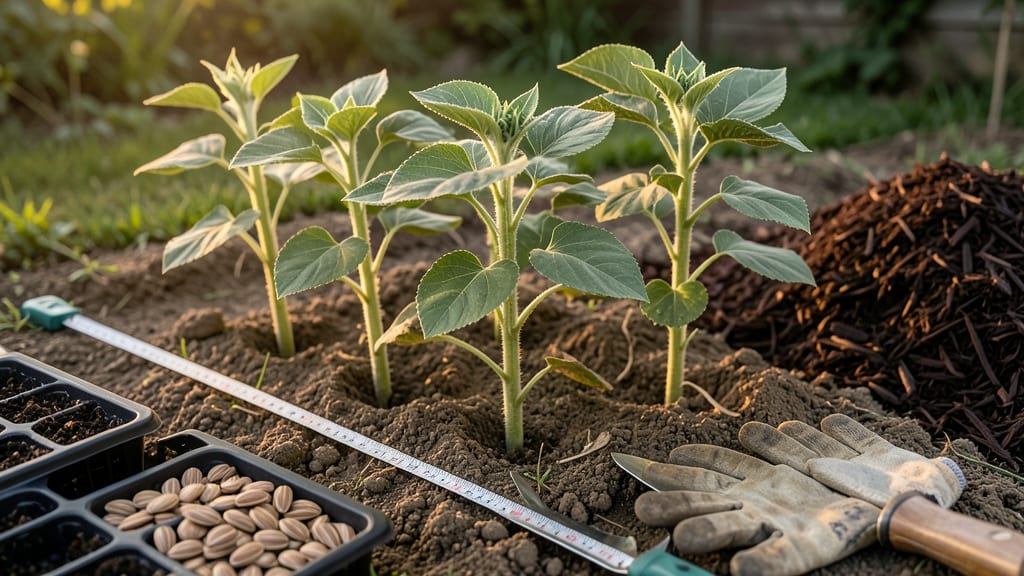
Planting sunflowers in Indiana at the right time means the difference between stunning summer blooms and wasted seeds. The ideal window—mid-April to early June—aligns perfectly with Zone 6a’s last frost dates, giving your 🌻 sunflowers the warmth they crave to grow tall and vibrant.
But timing isn’t just about dates—it’s about soil temperature, too. Seeds need at least 50°F soil to sprout, so rushing too early could leave them struggling. I’ll break down exactly when to start seeds indoors or sow directly outside, plus how to adjust for Indiana’s unpredictable spring weather.
Whether you’re growing dwarf varieties for containers or giant sunflowers for a backyard showstopper, this guide covers everything. You’ll learn how to prep your soil, space plants correctly, and even troubleshoot common mistakes that derail sunflower growth.
Ready to grow sunflowers that reach their full potential? Let’s dive into the frost-free timeline and pro tips that’ll have your garden buzzing with pollinators by summer.
Indiana sunflower planting timeline by month: Zone 6a vs 6b differences
Indiana’s Zone 6a-6b climate creates subtle but important differences in sunflower planting windows. In Zone 6a (cooler microclimates like northern Indiana), your last frost typically arrives around April 20-25, while Zone 6b (warmer southern regions) sees frost-free conditions by April 10-15.
These dates shift your ideal planting window by nearly two weeks, which can mean the difference between 10-foot giants and 6-foot stunted plants.
For both zones, sunflowers thrive when soil temperatures reach 50°F+—a threshold usually met by mid-April in Zone 6b and late April in Zone 6a.
Direct-sowing seeds too early risks frost damage, while planting too late may result in blooms that fade before Indiana’s first frost in October. Let’s break down the month-by-month timeline to maximize your sunflower’s potential.
Indiana Sunflower Planting Timeline: Zone 6a vs 6b
| Month | Zone 6a (Cooler) | Zone 6b (Warmer) | Key Notes |
|---|---|---|---|
| March | ❄️ Start seeds indoors (if using transplants) | ❄️ Start seeds indoors | Soil too cold for direct sowing |
| April | 🌱 Direct sow after April 25 | 🌱 Direct sow after April 10 | Wait for soil to warm to 50°F+ |
| May | 🌿 Ideal window (May 1-15) | 🌿 Ideal window (April 20-May 10) | Best time for giant varieties |
| June | 🌻 Late planting (June 1-10) | 🌻 Late planting (June 1-5) | Short-season varieties only |
| July+ | ❌ Too late | ❌ Too late | Blooms may not mature before frost |
🌱 Pro Tip: Use black plastic mulch to warm soil faster in Zone 6a.
In Zone 6b, you can push the envelope slightly by planting dwarf varieties as late as early June, but expect smaller blooms with shorter daylight hours. For Zone 6a gardeners, focus on early-maturing varieties (like ‘Teddy Bear’ at 60 days) to avoid late-summer frost risks.
Remember: sunflowers need 70-100 days to reach harvest, so calculate backward from Indiana’s first frost date (October 15).
Transplanting sunflower seedlings is not recommended—they have delicate root systems that stress easily. Instead, direct-sow seeds 1 inch deep and 6 inches apart in rows 2 feet apart for optimal air circulation.
If you’re using container gardening, plant 1-2 seeds per 5-gallon pot and place them in full sun areas like patios or balconies.
Indiana’s urban heat islands (like Indianapolis) can create microclimates where soil warms 2-3 weeks earlier than rural areas. Use a soil thermometer to confirm readiness—50°F+ is non-negotiable for germination.
For northern Indiana, consider row covers if planting in early April to protect tender seedlings from unexpected late frosts.
One common mistake is assuming all sunflowers have the same timeline. Dwarf varieties (like ‘Moulin Rouge’) mature in 50-60 days, while giants (like ‘Russian Giant’) need 100+ days. Plant succession crops every 2 weeks in May to enjoy blooms from July through September.
This staggered approach ensures you’re not left with one massive bloom followed by weeks of bare stems.
For fall planting experiments, try short-season varieties in late July—you might get small blooms before frost, but don’t expect full-size sunflowers. The key is soil warmth: even in fall, wait until soil stays above 50°F for 5 consecutive days.
Use straw mulch to insulate roots if temperatures dip at night.
Finally, track your local frost dates using the Indiana State Climate Office or Almanac’s Frost Calculator. Urban areas like Evansville (Zone 6b) often have 10-14 more frost-free days than Gary (Zone 6a). Adjust your timeline accordingly—your sunflowers will thank you with bold, towering blooms instead of stunted survivors.
🌻
5 Critical factors that determine your sunflower planting success in Indiana
Indiana’s Zone 6a-6b climate creates unique challenges for sunflower growers—from urban heat islands in Indianapolis to cooler rural valleys. While frost dates guide planting windows, these 5 critical factors will make or break your sunflowers' success.
Ignore them, and you might end up with stunted plants or no blooms at all.
First, soil temperature is non-negotiable. Sunflower seeds need consistent 50°F+ soil to germinate—colder soil delays sprouting by weeks. Use a soil thermometer ($10 at garden centers) to check before planting.
In northern Indiana (Zone 6a), wait until mid-May for direct sowing, while southern areas (Zone 6b) can start early April under row covers.
Next, moisture management separates thriving sunflowers from struggling ones. While mature plants tolerate drought, new seedlings need consistent moisture—dry soil during germination kills seeds before they sprout. Use mulch (straw or grass clippings) to retain soil moisture, especially in Indiana’s hot, windy summers.
Pro tip: Water deeply in the morning to prevent fungal diseases like powdery mildew, which thrives in evening dampness.
Sunlight exposure is your third non-negotiable. Sunflowers demand full sun (6-8 hours daily), with no shade tolerance. In Indiana’s wooded areas, choose dwarf varieties like 'Teddy Bear' (3-4 ft tall) that can thrive with partial sun.
For giant varieties ('Russian Giant'), select south-facing garden beds with no obstructions—even a nearby fence can cast enough shade to stunt growth by 30%.
Indiana’s urban heat islands (like downtown Indianapolis) create microclimates where soil stays 10°F warmer than rural areas. Adjust planting times by 2 weeks later in cities to avoid heat stress on young seedlings. Rural gardeners can push early April plantings, while urban growers should wait until mid-May.
Test your microclimate by planting a test row of fast-growing radishes—if they bolt (flower prematurely), your sunflowers will struggle too.
Finally, wind protection becomes critical for Indiana’s tall varieties (8+ ft). The state’s prevailing westerly winds can snap stems at the base, especially during summer storms. Install temporary trellises or windbreaks (use bamboo stakes or corn stalks) to support plants.
For container growing, choose dwarf varieties in 5-gallon pots with sturdy stakes—these handle Indiana’s wind better than giant sunflowers in the ground.
Master these 5 factors, and your Indiana sunflowers will reach their full potential—from 3-foot dwarfs to 12-foot giants—while attracting pollinators and brightening your garden all summer long. 🌻