
Plants
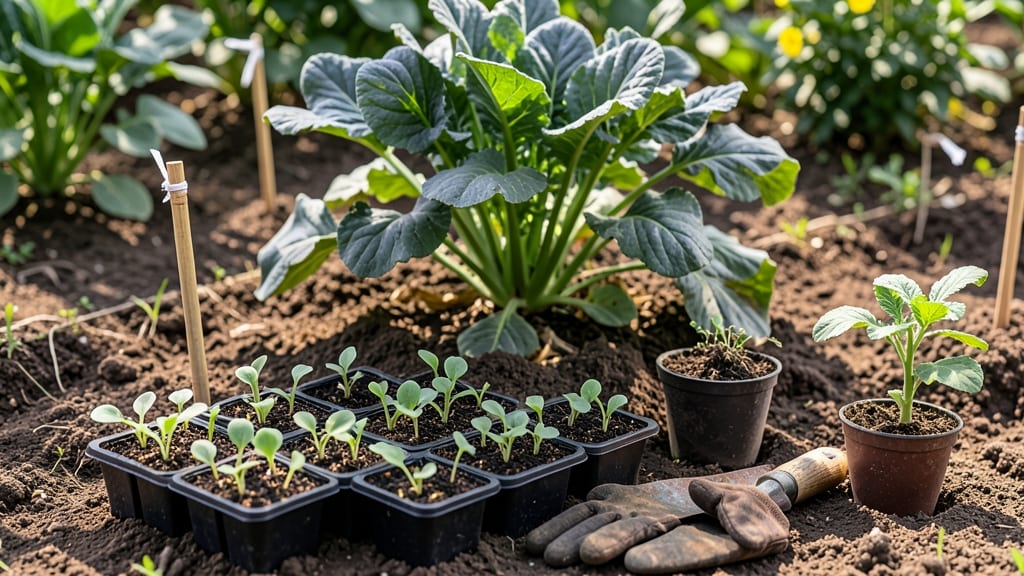
Planting turnip greens 🥬 in Tennessee at the wrong time can turn your garden dreams into bitter disappointment—but timing is the secret to fast, flavorful harvests.
Whether you're in the cooler highlands of Zone 6a or the warmer lowlands of 7b, knowing exactly when to plant makes all the difference for tender leaves and continuous harvests.
Most gardeners in Tennessee focus on two key windows: early spring and late summer, both offering ideal conditions for turnip greens. The fastest growth comes from planting just 4-6 weeks before your last frost (typically by mid-April) or after the first frost in fall for a second harvest.
This timing gives your plants enough cool weather to thrive before summer's heat sets in.
What sets Tennessee apart? Unlike northern states, our 6a-7b zones allow for two full harvest cycles—spring and fall—when most gardeners only get one. By staggering plantings every 2-3 weeks in March-April and August-September, you can enjoy fresh greens from May-June right through October-November.
Ready to avoid common mistakes like planting too late in Zone 7 or skipping soil prep? Let's break down the exact frost-free timeline by region, plus soil tips and planting methods that guarantee fast, healthy turnip greens all season long.
Tennessee planting zones & frost-free dates for turnip greens
Tennessee’s USDA zones 6a-7b create distinct planting windows for turnip greens, where timing directly impacts your harvest’s flavor and tenderness. In Zone 6a (e.g., East Tennessee), the last frost typically arrives by April 15, while Zone 7b (West/Middle Tennessee) sees frost-free conditions by March 20.
These dates shift your ideal planting window to either late winter (February-March) for spring harvests or early fall (August-September) for a second crop.
For fastest growth, aim to plant turnip greens when soil temperatures reach 45°F (7°C)—a rule of thumb for cold-hardy greens. In Tennessee, this usually aligns with March-April for spring plantings.
However, highland areas (like the Appalachian foothills) may experience 2-3 weeks later frost dates, so adjust accordingly. Always check your local Almanac frost-free dates for precision.
Turnip greens thrive in Tennessee’s cool-season climate, but heat stress after 85°F (29°C) causes bolting (flowering). This means fall plantings (August-September) are often more reliable in Zone 7b, where summer heat peaks earlier.
In Zone 6a, you can push spring plantings slightly later (up to April 30) without risking bolting.
🌱 Tennessee Turnip Greens Planting Timeline by Zone
| Zone & Region | Last Frost Date | Ideal Planting Window | Harvest Window | Soil Temp Goal |
|---|---|---|---|---|
| Zone 6a (East TN: Knoxville, Chattanooga) | April 15 | Feb 20 - Mar 31 | May 1 - Jun 15 | 45°F (7°C) |
| Zone 7a (Middle TN: Nashville, Murfreesboro) | April 1 | Feb 15 - Apr 15 | Apr 15 - Jun 10 | 45°F (7°C) |
| Zone 7b (West TN: Memphis, Jackson) | March 20 | Feb 1 - Mar 30 | Mar 20 - May 30 | 45°F (7°C) |
| Fall Planting (All Zones) | Oct 15 (First Frost) | Aug 1 - Sep 15 | Oct 1 - Nov 15 | 50°F (10°C) |
💡 Pro Tip: Use row covers to extend spring plantings by 2-3 weeks in Zone 6a.
To maximize your turnip greens harvest, I recommend staggered plantings every 2 weeks within your zone’s window. For example, in Zone 7b, plant February 1, February 15, and March 1 for a continuous supply from March to May.
This technique also helps avoid bolting if early plantings mature too quickly in warm spells.
Another key factor is soil preparation. Turnip greens prefer well-draining, slightly acidic soil (pH 6.0–7.0).
In Tennessee’s clay-heavy soils (common in West TN), amend with compost or aged manure 4–6 weeks before planting to improve drainage. Raised beds are ideal for Zone 6a gardeners with poor soil, as they warm faster in spring.
Don’t overlook microclimates in Tennessee. Urban areas like Nashville (Zone 7a) may experience
Best planting methods for fast turnip greens growth in Tennessee
Turnip greens thrive in Tennessee’s climate when planted using the right techniques. For the fastest growth, I recommend direct sowing in well-prepared soil, but transplanting can also work if done correctly.
The key is timing—plant seeds 4-6 weeks before your last frost date (typically mid-April in most of Tennessee) or after the first frost in fall for a second harvest.
Direct sowing is my preferred method because it reduces transplant shock and encourages strong root development. Scatter seeds ¼ inch deep and 1 inch apart in rows spaced 12-18 inches apart.
This spacing prevents overcrowding, which can lead to bitter leaves. If you’re transplanting seedlings, harden them off for 5-7 days before moving them to the garden to avoid stress.
| Method | Best Time | Pros | Cons |
|---|---|---|---|
| Direct Sowing | March-April, August-September | Faster growth, stronger roots, no transplant shock | Requires thinning seedlings |
| Transplanting | After last frost (April) or early fall | Easier succession planting, earlier harvests | Transplant shock risk, slower initial growth |
For continuous harvests, use succession planting every 2-3 weeks after your initial planting. This ensures a steady supply of tender greens throughout the growing season.
In Tennessee’s USDA Zones 6a-7b, you can even extend your harvest into late fall by planting a final batch in early September—just cover young plants with row fabric if frost threatens.
Soil prep is critical for fast growth. Amend your garden beds with compost or well-rotted manure to improve drainage and fertility. Turnip greens prefer slightly acidic to neutral soil (pH 6.0–7.0). Before planting, mix in a balanced organic fertilizer (10-10-10) to give them a nutrient boost.
Mulch with straw or shredded leaves to retain moisture and suppress weeds, which is especially helpful during Tennessee’s hot, humid summers.
Watering consistently is another game-changer. Keep the soil evenly moist (about 1-1.5 inches per week) but avoid waterlogging, which can cause root rot. I water mine in the early morning to reduce evaporation and fungal risks.
If you’re growing in containers, check soil moisture daily during heatwaves, as pots dry out faster.
With these methods, you’ll enjoy tender, flavorful turnip greens in as little as 30-45 days—perfect for Southern-style dishes or fresh salads. The key is consistency: right timing, proper spacing, and attentive care will give you a bountiful harvest all season long. 🌱