
Plants
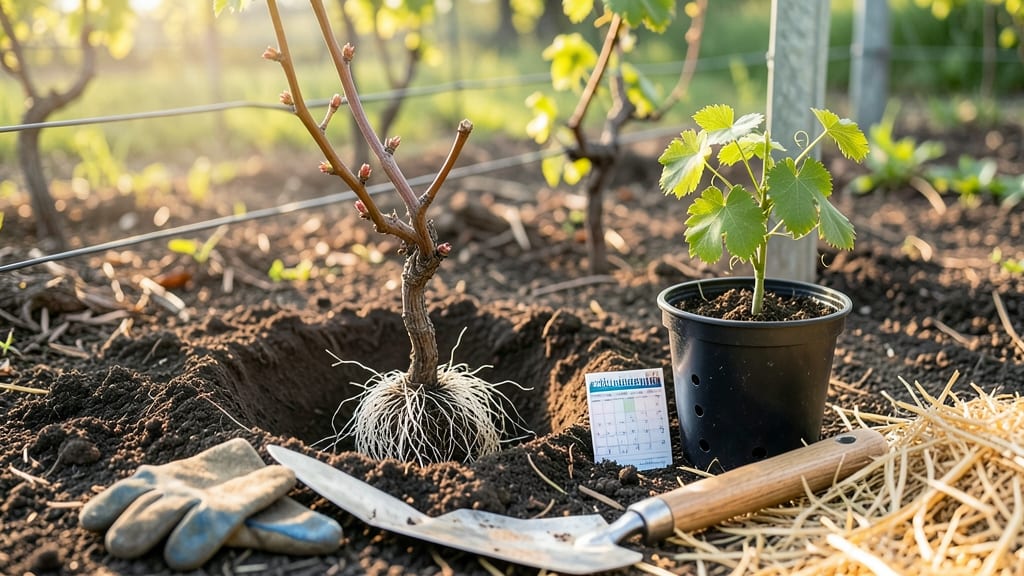
Planting grapes in Indiana at the wrong time could mean the difference between a lush 🍇 vineyard and a frost-killed disappointment. With USDA zones 5b-6b and unpredictable spring weather, knowing the exact frost-free windows is your secret weapon for success.
Indiana gardeners know timing is everything—especially when it comes to spring planting. Whether you're working with bare-root vines in April or container-grown plants in May, getting the soil temperature and frost dates right is critical for root establishment before summer heat arrives.
I’ll break down the ideal planting windows for Indiana’s microclimates, from Gary’s cooler northern reaches to Evansville’s slightly warmer southern zone. You’ll also discover which grape varieties thrive best in your area and how to prepare your soil for maximum growth.
Let’s turn your grape-growing dreams into reality—starting with the perfect planting schedule for your Indiana garden.
Indiana grape planting calendar: frost-free dates by region
Indiana’s USDA zones 5b-6b create unique challenges for grape growers, with last frost dates varying by 10-14 days across regions. Northern Indiana (e.g., Gary) typically sees its final frost around April 25, while Southern Indiana (e.g., Evansville) warms up by April 10.
These differences mean your planting window could shift by three weeks depending on where you live.
For bare-root grapevines, the ideal planting window is 4-6 weeks before your last frost date. This gives roots time to establish before buds break in spring.
In Central Indiana (Indianapolis area), that means planting between April 1-15. Container-grown vines, however, should wait until after the last frost—typically mid-May—to avoid transplant shock.
Here’s how Indiana’s three main regions compare for grape planting:
| Region | Last Frost Date (Avg.) | Bare-Root Planting Window | Container Planting Window | Heat Units Needed |
|---|---|---|---|---|
| Northern (Gary) | April 25 | April 1-15 | May 15-30 | 1,200+ |
| Central (Indianapolis) | April 15 | March 30-April 10 | May 1-15 | 1,300+ |
| Southern (Evansville) | April 10 | March 20-April 5 | April 25-May 10 | 1,400+ |
*Heat units calculated as average daily temps above 50°F (10°C) over 30 days
Why these dates matter: Grapes need 120-180 days to mature, and planting too early risks frost damage to new growth, while planting too late may delay fruit production. For example, Concord grapes—a top choice for Indiana—require 140 days to harvest.
Planting in early April in Southern Indiana gives them enough time, but Northern Indiana gardeners should opt for earlier-maturing varieties like Niagara (120 days).
Pro tip: Check your local Cooperative Extension office for real-time frost alerts. In 2023, a late April frost in Northern Indiana delayed grape growth by 2-3 weeks for gardeners who planted too early.
Use frost cloth if planting near your last frost date to add an extra 2-4°F of protection.
Soil temperature also plays a critical role. Grapes won’t thrive until the soil reaches 50°F (10°C). In Indiana, this typically happens by mid-April in Southern regions but may linger until early May in Northern areas.
Use a soil thermometer to confirm—planting in cold soil can stunt root growth for 3-4 weeks.
For container-grown grapes, the May-June window offers another advantage: warmer soil and air temperatures reduce the risk of root rot and fungal diseases like black rot, which thrive in Indiana’s humid summers. Just be prepared to water deeply 2-3 times per week during dry spells to keep vines hydrated.
Microclimates can shift your planting window by 1-2 weeks. South-facing slopes warm up 3-5°F faster than flat areas, while low-lying spots may stay colder. If you’re unsure, err on the side of planting later—grapes are more forgiving of delayed planting than early-season frosts.
Remember: Indiana’s first frost typically arrives around October 15, giving grapes a 165-day growing season. Choose varieties that match your region’s heat accumulation to avoid disappointed harvests.
For example, Cabernet Franc needs 1,500+ heat units—only reliable in Southern Indiana—while Marquette thrives with just 1,200 units, making it ideal for Northern gardens.
Best grapes to plant in Indiana: variety-specific timing
Not all grape varieties thrive equally in Indiana’s USDA zones 5b-6b. Cold-hardy varieties like Concord and Niagara handle spring frosts better, while tender types like Cabernet Franc need extra protection. Your choice depends on your last frost date and microclimate.
For Northern Indiana (e.g., Gary), aim for early planting (late March-April) to give vines time to establish before late frosts. In Central Indiana (Indianapolis), you have more flexibility with April-May planting. Southern Indiana’s milder climate allows May-June planting for heat-loving varieties.
Soil temperature matters too! Grapes need 50°F+ soil to root properly. Use a soil thermometer to check before planting—waiting for the right conditions prevents root rot. Bare-root vines should go in as soon as the ground thaws, while container-grown vines can wait until after the last frost.
| Variety | Cold Hardiness | Best Planting Window | Soil Temp Requirement | Notes |
|---|---|---|---|---|
| Concord | Zone 4-9 | Late March-April | 45°F+ | Early producer; great for jellies/wine |
| Niagara | Zone 4-8 | April-May | 50°F+ | Sweet table grapes; needs trellis |
| Marquette | Zone 3-8 | Early April | 40°F+ | Cold-hardy red wine grape |
| Cabernet Franc | Zone 6-9 | May-June | 55°F+ | Needs frost protection; late ripener |
| Chardonnay | Zone 5-9 | Late April-May | 50°F+ | White wine grape; needs warm microclimate |
If you’re planting in Southern Indiana, you can push the envelope with May-June planting for heat-loving varieties like Cabernet Franc. Just be prepared to use frost cloth or row covers if late frosts threaten.
For Northern Indiana, stick to early planting and choose the hardiest varieties to avoid winter damage.
Pro tip: Bare-root vines establish faster in spring, while container-grown vines give you flexibility to plant later. If you miss the ideal window, don’t despair—just prioritize soil drainage and sun exposure to help your vines recover. 🍇
For container growing, opt for dwarf varieties like Thomcord and plant in May after frost. Containers warm up faster, so you can extend your planting window by a few weeks. Just ensure pots have drainage holes to prevent root rot in Indiana’s humid summers. ✂️