
Plants
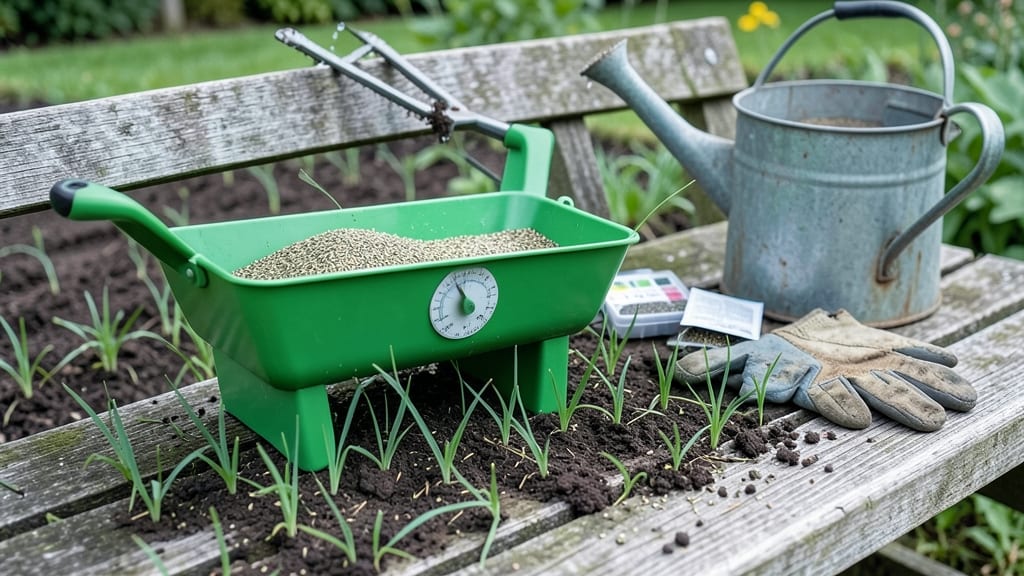
Timing your Grass (Turfgrass) planting in spring can make or break your lawn’s success—get it wrong, and you’ll spend the season chasing patchy growth instead of enjoying that vibrant green 🌱.
The key isn’t just picking a random weekend in March; it’s understanding your local climate, soil temperature, and frost-free window to give your grass the best possible start.
Most gardeners in USDA Zone 6a (like the default general region) know early spring is the sweet spot, but the exact timing depends on factors like soil warmth and last frost dates. Plant too early, and cold soil can stall germination; too late, and summer heat might stress young seedlings.
I’ll break down the science-backed window—plus how to adjust for your specific microclimate—to ensure your grass thrives from day one.
You’ll learn how to test soil temperature (aim for 50-65°F), calculate your frost-free window, and avoid common mistakes that derail even the most eager gardeners. Whether you’re seeding a new lawn or overseeding an existing one, these insights will help you skip the guesswork and plant with confidence.
Let’s dive into the best practices so you can transform your yard into a lush, low-maintenance carpet of grass—without the frustration of slow starts or failed patches. Ready to get growing?
Optimal soil temperature for planting grass in spring
Getting your grass planting timing right starts with understanding soil temperature. Unlike air temperature, soil warmth determines when grass seeds germinate and roots establish. For most cool-season grasses like Kentucky bluegrass or tall fescue, the ideal soil temperature range is between 50°F and 65°F.
Warm-season grasses like Bermuda or Zoysia prefer warmer soil (65°F–75°F), but spring planting focuses on cool-season varieties.
Why does this matter? Grass seeds need consistent warmth to break dormancy. If soil is too cold (<50°F), germination slows or stops entirely. If it’s too warm (>70°F), seeds may dry out before sprouting. Testing your soil temperature is the key to avoiding these pitfalls.
Here’s how to check: Use a soil thermometer (available at garden centers for under $10) and insert it 2–3 inches deep—this mimics where seeds will germinate. Take readings in the morning for the most accurate results. Aim for 50°F+ for cool-season grasses before planting.
| Grass Type | Ideal Soil Temp (°F) | Best Planting Window | Germination Time |
|---|---|---|---|
| Cool-Season (e.g., Kentucky Bluegrass, Tall Fescue) | 50–65°F | Early spring (4–6 weeks before last frost) | 14–21 days |
| Warm-Season (e.g., Bermuda, Zoysia) | 65–75°F | Late spring/early summer (after last frost) | 21–30 days |
| Ryegrass (Fast-Germinating) | 45–60°F | Late winter/early spring (as soon as soil thaws) | 7–14 days |
🌱 Pro Tip: Soil temps lag behind air temps—wait until mornings stay above 50°F consistently.
If your soil is still too cold, don’t rush planting. Instead, cover bare spots with straw mulch (not hay—it contains weed seeds) to insulate the soil and protect seeds from frost.
This buys you time until temperatures rise naturally. For example, in USDA Zone 5, soil may hit 50°F in early April, while Zone 8 might reach it by late February.
Another critical factor is moisture retention. Cold soil holds moisture longer, but if it’s too wet, seeds can rot. Aim for soil that’s moist but not soggy—like a damp sponge. If your soil drains poorly, mix in compost or sand to improve aeration before planting.
For northern climates (Zones 3–5), early April is often the sweet spot, while southern regions (Zones 7–10) can plant as early as February. However, always prioritize soil temperature over calendar dates. A soil thermometer is your best friend here—trust it over guesswork.
Once your soil hits the ideal range, plant seeds in the late afternoon to give them a head start overnight. Water gently but thoroughly to settle seeds into the soil, then keep the area moist until germination.
Avoid walking on the bed until you see 2–3 inches of growth—this prevents seed displacement.
Remember, cool-season grasses thrive in spring’s mild temperatures, while warm-season grasses should wait until summer heat arrives. Misjudging soil temp can lead to sparse, uneven lawns. But when you nail it? You’ll see uniform germination in just 2–3 weeks—worth the patience!
🌿
How to calculate your local frost-free window for grass planting
Finding the perfect planting window for grass in spring isn’t just about guessing—it’s about understanding your local frost-free window. This timeframe tells you when the last frost of winter has passed and when your grass seeds or sod can thrive without freezing.
For most regions in the U.S., this means planting 4-6 weeks before the last frost date, but exact timing varies by USDA hardiness zone and microclimates.
Start by locating your USDA zone (e.g., Zone 6a in the example above) using the USDA Plant Hardiness Zone Map. For instance, if you’re in Zone 6a, your last frost typically falls around April 15.
Counting back 4-6 weeks lands you in early March—a great window for cool-season grasses like Kentucky bluegrass or tall fescue. However, if you’re in Zone 8 or warmer, your frost-free window might shift to late winter or even early spring.
🌱 Pro Tip: Use local weather tools like the National Oceanic and Atmospheric Administration (NOAA) or apps like Old Farmer’s Almanac to get precise frost dates for your area. These tools account for historical trends and can help you adjust for early or late frosts.
Use the USDA Plant Hardiness Zone Map to identify your zone. For example, Zone 6a has a last frost around April 15.
Check local resources like NOAA or Old Farmer’s Almanac for your area’s average last frost date. Adjust for early or late frosts in your microclimate.
Plant 4-6 weeks before the last frost for cool-season grasses (e.g., March in Zone 6a). For warm-season grasses (e.g., Bermuda grass), wait until 2 weeks after the last frost.
South-facing slopes warm up faster, while low-lying areas may stay cooler. Plant 2 weeks earlier in warm microclimates and 2 weeks later in cooler ones.
Use a soil thermometer to ensure soil is at least 50°F for cool-season grasses or 65°F for warm-season grasses before planting.
Microclimates can drastically alter your frost-free window. For example, a south-facing slope may warm up 2-3 weeks earlier than a shaded valley. If your yard has uneven terrain, consider planting 2 weeks earlier in sunny spots and 2 weeks later in cooler areas.
This ensures your entire lawn establishes evenly without risking frost damage.
Once you’ve nailed down your frost-free window, double-check with a soil thermometer. Cool-season grasses like ryegrass need soil temps of 50-65°F, while warm-season grasses like Zoysia thrive at 65-75°F.
Planting too early in cold soil can stunt germination, while waiting too long might miss the optimal spring moisture window.
🌿 Remember: The goal is to plant when your grass can germinate and grow 2-3 inches tall before summer heat sets in. This gives roots time to establish before the stress of drought or extreme temperatures.