
Plants
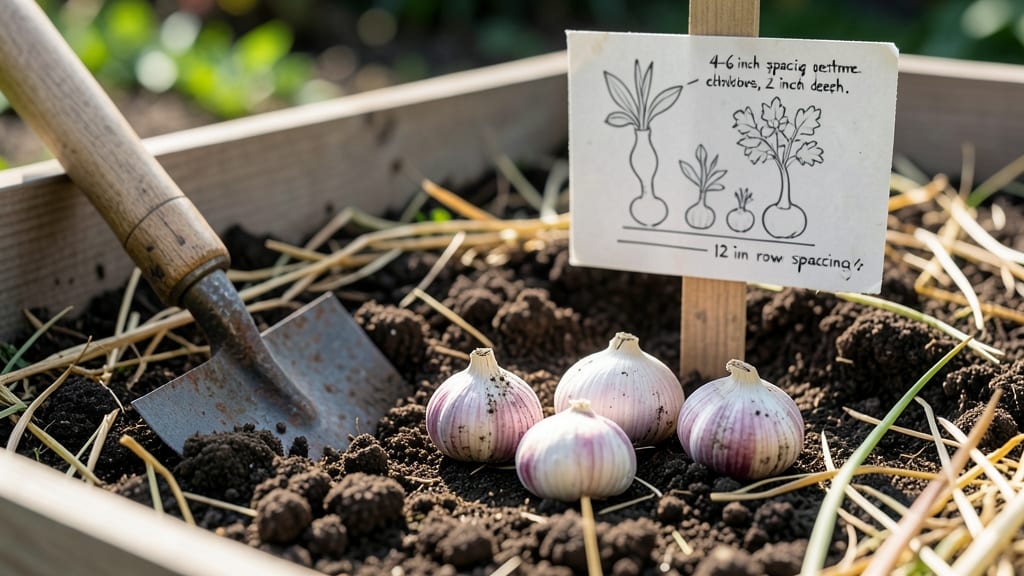
Timing your garlic planting in Delaware right could mean the difference between a thriving crop and a total flop. With Delaware’s 7a-7b climate, you’ve got just a narrow window to get those cloves in the ground—before the first frost or after the last one—without risking your harvest.
Most gardeners know fall planting is ideal, but did you realize October through November gives your garlic the perfect head start? The cold winter months actually help hardneck varieties develop strong bulbs, while softneck types benefit from milder coastal conditions.
I’ll break down exactly when to plant each variety for maximum success in your specific zone.
What if you miss the fall window? Don’t panic—spring planting in early March can still work, but it requires extra care. We’ll cover soil prep, spacing tricks, and mulching tips to ensure your garlic thrives, whether you’re a seasoned gardener or just starting out with 🧄.
By the end, you’ll know exactly when to plant, how deep to bury those cloves, and what to watch for to avoid common Delaware-specific mistakes. Let’s get your garlic growing the right way!
Delaware’s ideal garlic planting months: hardneck vs. softneck breakdown
Delaware’s USDA Zones 7b-8a create a unique challenge for garlic growers. The humid subtropical climate means you’ll need to balance fall planting with avoiding early frosts. For hardneck varieties, which need cold vernalization to form bulbs, timing is critical.
Meanwhile, softneck garlic adapts better to milder winters but still thrives with precise planting.
Most Delaware gardeners achieve success by planting between mid-October and November. This window ensures cloves establish roots before the ground freezes but still experience enough cold for hardnecks.
Coastal areas like Rehoboth Beach may need to plant slightly later due to milder microclimates, while inland regions like Wilmington can start earlier.
The key is planting when soil temperatures drop to 40-50°F. Use a soil thermometer to check—this typically occurs in late October. Hardneck varieties like 'German White' or 'Music' perform best in Delaware’s climate, while softnecks like 'Silverskin' offer a slightly longer harvest window.
| Variety Type | Best Planting Month | Cold Requirement | Harvest Window | Delaware Adaptation |
|---|---|---|---|---|
| Hardneck | October 15-November 15 | 4-6 weeks below 40°F | Late June-July | Excellent for zones 7b-8a |
| Softneck | October 1-November 10 | Mild winter tolerance | July-August | Good for coastal areas |
| Both Types | March (spring backup) | No cold requirement | Late July-August | Lower yield, emergency use |
🌱 Pro Tip: Plant hardnecks first in October for maximum cold exposure
Spring planting is possible in Delaware but yields 30-50% smaller bulbs. If you miss the fall window, plant in early March—just know your harvest will be delayed until late August. This method works best for softneck varieties in milder microclimates like Delaware City.
Delaware’s first frost typically arrives around November 15, so aim to plant at least 4-6 weeks before this date. For example, if your frost date is November 20, plant by October 15. Use a frost calendar from the Delaware State Climate Office for precise local data.
Coastal gardeners should account for Delaware’s maritime influence, which delays frosts by 1-2 weeks compared to inland areas. In New Castle County, you might safely plant until November 10, while Sussex County could extend to November 20. Adjust based on your specific location’s microclimate.
After planting, apply 4-6 inches of straw mulch to insulate bulbs through winter. This protects against freeze-thaw cycles and prevents heaving—when soil expands and pushes bulbs above ground. Remove mulch in early spring (March) to allow soil to warm for growth.
For organic certification, Delaware gardeners should avoid planting garlic in the same spot more than once every 3 years. Rotate with beans, peas, or lettuce to prevent soil-borne diseases like white rot, which thrives in Delaware’s humid conditions.
Remember: Garlic planted in Delaware’s fall grows through winter, emerges in spring, and matures the following summer. Patience is key—your 270-day growing cycle means no shortcuts for that juicy, homegrown bulb! 🌱
5 Critical factors that determine your Delaware garlic planting success
Delaware’s humid summers and variable winters mean garlic planting isn’t just about months—it’s about setting up your crop for success from day one. I’ve grown garlic here for years, and these five factors make the difference between a meager harvest and a bountiful bulb bounty.
Let’s break them down so you can avoid common pitfalls and maximize your yield.
First, soil preparation is non-negotiable. Delaware’s sandy coastal soils drain too quickly, while inland areas often compact easily. Aim for loamy soil with a pH between 6.0 and 7.0. Before planting, mix in 2-3 inches of compost and a balanced fertilizer (5-10-10).
This ensures your cloves have the nutrients they need to establish strong roots before winter sets in.
- Test soil pH (aim for 6.0-7.0)
- Add compost (2-3 inches) for organic matter
- Mix in aged manure or worm castings for nutrients
- Avoid fresh manure (burns roots)
Next, clove selection impacts your harvest size and flavor. For Delaware’s climate, hardneck varieties like ‘Music’ or ‘German White’ thrive—they need cold to form bulbs. Softnecks like ‘Silverskin’ are better for milder microclimates but store longer.
Choose large, plump cloves (the biggest from the bulb) for bigger harvests. Smaller cloves produce smaller bulbs, and diseased or soft cloves should be discarded immediately.
- Choose hardnecks for cold winters (Music, German White)
- Pick softnecks for milder areas (Silverskin)
- Use large, firm cloves (discard soft/diseased ones)
- Plant pointy-end up for faster sprouting
Proper planting depth and spacing prevent crowding and disease. In Delaware, plant cloves 4 inches deep and 6 inches apart in rows 12 inches apart. This spacing gives roots room to expand and improves airflow, reducing fungal diseases like white rot.
If your soil is sandy (common near coasts), add a 1-inch layer of mulch after planting to retain moisture and regulate soil temperature.
- Depth: 4 inches (pointy-end up)
- Spacing: 6 inches apart in rows 12 inches apart
- Add mulch (1 inch) for sandy soils
- Avoid overcrowding (reduces bulb size)
Don’t underestimate winter mulching—this is where many Delaware gardeners fail. Apply 4-6 inches of straw mulch after the ground freezes to insulate bulbs. In coastal areas, where winter winds can dry out soil, this layer is critical.
Remove mulch in early spring (March) to prevent rot as temperatures rise. Without proper mulch, your garlic may heave out of the ground or develop soft necks from uneven freezing.
Lastly, pest and disease prevention starts at planting. Delaware’s humidity loves garlic rust and thrips. Rotate crops annually (never plant garlic in the same spot two years in a row) and use neem oil or copper fungicide preventatively.
If you notice yellowing leaves or black streaks on stems, act fast—these are early signs of trouble. Healthy soil and proper spacing are your best defenses!
By mastering these five factors, you’ll give your Delaware-grown garlic the best shot at success. Remember: preparation is key, especially in our unpredictable climate. Happy planting—your future meals will thank you! 🧄