
Plants
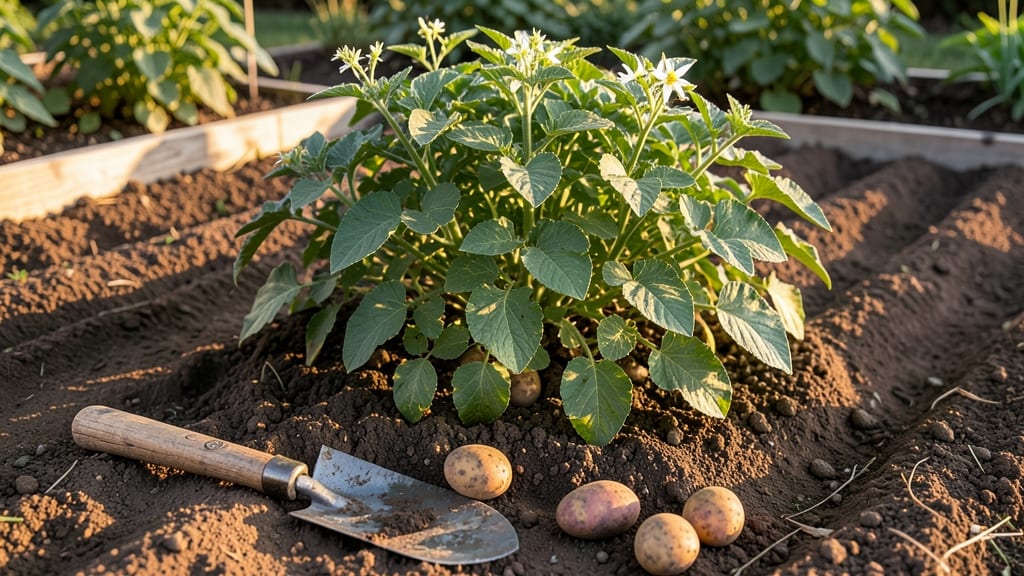
When should you plant potatoes in Ohio? Timing your potato planting in Ohio isn’t just about dates—it’s about dodging bolting and frost while giving your 🥔 the perfect start. With Ohio’s 6a-6b climate, early plantings can get nipped by late frosts, while late starts risk stunted growth. The key? Planting when soil hits 45°F-50°F and choosing varieties that match your schedule—whether you’re aiming for a spring harvest or stretching the season into fall.
If you’ve ever watched your potato plants flower too soon (a classic sign of bolting), you know how frustrating it can be. The solution? Start 2-4 weeks before Ohio’s last frost—usually around early April—but adjust based on your microclimate.
Northern Ohio gardeners might need to wait longer, while southern Ohio’s milder zones can plant earlier. I’ll show you how to use soil temperature as your guide, not just the calendar.
What if you want a second harvest? Some gardeners plant a late crop in September for a fall harvest, but timing is everything.
We’ll break down the best varieties for each strategy—like Yukon Gold for early starts or Red Pontiac for late-season resilience—and how to protect your plants from Ohio’s unpredictable weather. Ready to turn your potato patch into a high-yield success?
From soil prep to frost protection, this guide covers everything you need to know to plant potatoes in Ohio like a pro. Whether you’re a first-time gardener or a seasoned grower, these tricks will help you avoid common mistakes and maximize your harvest.
Let’s get those spuds in the ground the right way!
Ohio potato planting timeline: soil temperature rules to prevent bolting
Timing your potato planting in Ohio isn’t just about checking the calendar—it’s about understanding soil temperature and frost risk. Potatoes thrive when soil reaches 45°F–50°F, signaling the perfect window to plant 2–4 weeks before Ohio’s last frost date, which typically falls between April 15–May 15.
Planting too early in cold soil can stunt growth, while waiting too long risks premature bolting (flowering) before tubers mature.
Ohio’s USDA Zones 6a–6b mean gardeners in northern regions like Cleveland face earlier frost threats than those in Columbus or Cincinnati. For example, Toledo’s last frost often arrives by April 10, while Youngstown may wait until May 1.
Use a soil thermometer to confirm readiness—don’t rely on air temperature alone, as soil warms slower.
Avoid the bolting trap: Potatoes exposed to prolonged cold or heat stress will flower early, diverting energy from tuber growth. In Ohio, this is especially risky for late-maturing varieties planted after May 15.
To mitigate, choose early-season varieties like Yukon Gold or Red LaSoda for spring plantings, or opt for black plastic mulch to warm soil faster.
For northern Ohio gardeners, consider a two-part planting strategy: Start with early varieties in late March under row covers, then follow up with mid-season types in early April. This staggered approach ensures a continuous harvest from June through August.
In southern Ohio, you can even squeeze in a fall planting of heat-tolerant varieties like Red Pontiac in late July for a late-October harvest.
Pro tip: Chit your seed potatoes (sprout them indoors in egg cartons) 4–6 weeks before planting. This jumpstarts growth, giving your tubers a head start in Ohio’s cool, wet springs. Place the trays near a sunny window or under grow lights to encourage strong, uniform sprouts.
Once soil reaches 50°F, transplant the chitted potatoes with sprouts facing up for faster emergence.
Don’t ignore rainfall patterns—Ohio’s spring showers can delay planting. If your soil stays waterlogged for more than 3 days, wait until it drains properly to avoid rot-prone conditions.
A simple soil moisture test (squeeze a handful—if it forms a ball, it’s too wet) saves your potatoes from drowning before they even sprout.
For container gardening, Ohio’s shorter growing season works in your favor. Use 5-gallon buckets or fabric grow bags filled with a mix of compost and perlite to improve drainage. Plant early varieties by mid-April and place containers in a sunny, sheltered spot to protect from late frosts.
Containers warm up faster than ground soil, giving you a 2–3 week head start.
Remember: Potatoes are hungry! After planting, side-dress with compost or a 5-10-10 fertilizer when plants reach 6 inches tall. This boosts tuber production without overloading the plant.
In Ohio’s clay-heavy soils, mix in sand or peat moss to improve aeration—your potatoes will thank you with larger, smoother tubers.
Finally, mark your calendar for Ohio’s first frost, typically around October 15. If you’re growing late-season varieties, use row covers or black plastic to extend the season.
With the right timing and care, you’ll harvest bolt-free, high-yield potatoes from your Ohio garden—no matter how unpredictable the spring weather gets.
Ohio potato planting timeline: soil temperature rules to prevent bolting
Timing your potato planting in Ohio isn't just about calendar dates—it's about soil temperature and avoiding premature bolting. Potatoes bolt (flower prematurely) when exposed to consistent temperatures above 50°F before they're ready, leading to small, bitter tubers.
The ideal window starts when soil reaches 45°F-50°F and stays there for at least a week.
Ohio's last frost dates typically range from April 15 in southern regions to May 15 in northern areas. Planting 4-6 weeks before your local last frost gives potatoes enough time to establish roots before warm weather arrives.
For example, in Columbus, aim for early April plantings, while Cleveland gardeners should wait until late April.
| Region | Ideal Planting Window | Soil Temp Threshold | Key Adjustment |
|---|---|---|---|
| Southern Ohio (Cincinnati) | Late March–Early April | 45°F–50°F | Use black plastic mulch to warm soil faster |
| Central Ohio (Columbus) | Early–Mid April | 48°F–50°F | Plant early varieties first, then succession plant |
| Northern Ohio (Cleveland) | Late April–Early May | 50°F+ | Use row covers to protect from late frosts |
To check soil temperature, use a soil thermometer (insert 4 inches deep). If temperatures fluctuate above 50°F during the day but drop at night, potatoes may still bolt. In these cases, consider delaying planting or using shade cloth until nighttime temperatures stabilize above 45°F consistently.
For gardeners in microclimates (like urban areas with heat islands), plant 2-3 weeks later than rural recommendations. These areas warm up faster, increasing bolting risks. Always monitor your specific site—what works for your neighbor's yard might fail in yours due to localized temperature variations.
Pro tip: Plant sprouted seed potatoes (with 1-inch sprouts) in cooler soil—they'll establish faster than unsprouted tubers. This gives you a 2-week head start on growth before warm weather arrives. Just avoid planting when soil is below 40°F, as growth stalls completely.
Remember, Ohio's unpredictable spring weather means flexibility is key. If an early frost threatens after planting, cover seedlings with lightweight row fabric until temperatures rise. The goal is to balance early enough for a long growing season with not too early to avoid bolting.