
Plants
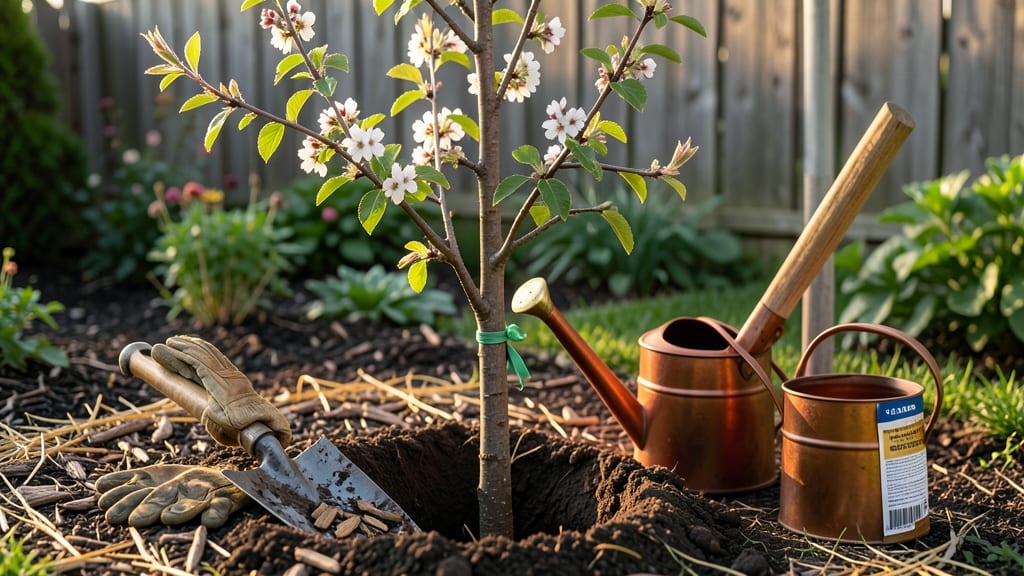
Timing matters more than you think when you plant a tree in the ground—get it wrong, and you might be waiting years for strong roots to take hold.
In zone 6a, where frost lingers until mid-April and returns by mid-October, the best windows are late winter (after the last frost) or fall (before the first frost). These periods let your 🌳 establish roots before extreme temperatures stress it out.
Most gardeners assume spring is the only option, but fall planting actually gives trees a head start. When you plant in cooler months, soil stays workable, and roots grow steadily without competing with summer heat. This means less transplant shock and faster growth once spring arrives.
I’ll break down exactly which months work best for your climate, how to prep your soil, and what to watch for—so you avoid common mistakes that stunt growth. Whether you’re planting a young sapling or a mature tree, these insights will help you make the most of your effort.
Ready to give your tree the strongest possible start? Let’s dive into the science of timing so you can enjoy decades of shade and beauty from day one.
Best months to plant trees by USDA climate zone for maximum root development
Timing your tree planting is everything—plant too early, and frost can damage tender roots; too late, and your tree won’t establish before winter. The ideal window depends on your USDA climate zone, soil temperature, and whether you’re planting bare-root or container-grown trees.
For most regions, late fall and early spring offer the best balance of moisture and mild temperatures.
In USDA Zones 3-6, where winters are cold, aim for planting 4-6 weeks before the first frost (typically September-October) or after the last frost in spring (April-May). Zones 7-9, with milder winters, can extend planting into early winter (December-January) for container-grown trees, as long as the ground isn’t frozen.
Southern Zones 10-11 have a longer window—year-round planting is possible with proper irrigation.
Soil temperature is the real game-changer. Roots need 40°F+ soil temps to grow actively. Use a soil thermometer to check—if it’s below 40°F, wait. In northern climates, this often means waiting until May, while southern gardens can plant as early as February.
Evergreens like pine or spruce are exceptions—they prefer cooler soil and can handle fall planting better than deciduous trees.
Container-grown trees have flexibility because their roots aren’t exposed to freezing. You can plant them anytime the ground isn’t frozen, even in winter months if you’re in a mild zone.
But bare-root trees (sold without soil) must be planted while dormant—usually late fall to early spring—or their roots will dry out.
| USDA Zone | Best Planting Window | Soil Temp Requirement | Tree Types Suited |
|---|---|---|---|
| 3-6 (Cold Winters) | Late fall (Sept-Oct) or early spring (Apr-May) | 40°F+ (wait for frost-free soil) | Deciduous (oak, maple), fruit trees |
| 7-9 (Mild Winters) | Fall (Oct-Nov) or early spring (Mar-Apr) | 50°F+ (roots grow slower in cold) | Evergreens (pine, cedar), citrus, camphor |
| 10-11 (Tropical) | Year-round (avoid peak summer heat) | 60°F+ (ideal for root growth) | Palm, mango, avocado, bamboo |
| Container-Grown (All Zones) | Anytime ground isn’t frozen | 40°F+ (roots protected by pot) | All types (oak, maple, fruit, evergreen) |
If you’re in a transition zone (like Zones 6b-7a), pay attention to microclimates. A south-facing slope warms up faster in spring, while a north-facing yard may stay colder longer.
Test your soil’s readiness by digging a 6-inch hole—if the soil at that depth feels cool to the touch, wait a few weeks. Mulch heavily after planting to insulate roots and retain moisture, especially in Zone 3-6 where winter fluctuations are extreme.
For large trees (like oaks or maples), fall planting gives roots time to establish before summer heat stress. Smaller trees or shrubs can handle spring planting better. Pro tip: Water deeply 1-2 times per week for the first year, even if rains seem adequate.
A tree with established roots by winter is far more likely to survive harsh conditions.
Evergreens like arborvitae or spruce prefer fall planting because their roots grow slowly in cold soil. Deciduous trees, however, hate soggy soil in winter, so avoid planting them if your area gets heavy winter rains.
In Zone 8-9, late winter (January-February) can work for container-grown trees, but bare-root specimens should wait until March.
Don’t fall for the myth that summer planting is bad—it can work in cooler northern climates (like Zone 4-5water relentlessly and use shade cloth for the first month. Just avoid peak summer heat (July-August) in Zones 7+, as roots can overheat in dry, compacted soil.
Always amend the planting hole with compost or native soil mix to improve drainage.
Local nurseries are your best resource—ask when they’re selling bare-root trees, as their timing aligns with optimal planting windows. If you’re unsure, plant in fall—it’s the safest bet for most climates.
Just remember: roots > leaves when it comes to tree survival. A tree with strong root growth by winter will outperform one planted at the wrong time every time. 🌳
How to adjust planting timing for bare-root vs. container-grown trees
Not all trees are created equal when it comes to planting timing—bare-root trees and container-grown trees each have unique needs that dictate when you should plant them. Bare-root trees, sold without soil, thrive when planted during their dormant season (late fall or early spring) to minimize transplant shock.
In contrast, container-grown trees can handle planting almost year-round, but early spring or fall still provides the best success rates.
For bare-root trees, aim to plant them within 24 hours of purchase to prevent roots from drying out.
If you can’t plant immediately, store them in a cool, moist environment (like a bucket of damp sawdust) until you’re ready. Container-grown trees, however, are more flexible—their roots are already established, so you can plant them anytime the ground isn’t frozen, even in mild winters.
🌱 Key Takeaways for Planting Timing
- Bare-root trees: Plant in dormant season (fall or early spring).
- Container-grown trees: Plant anytime soil is workable (avoid extreme heat/cold).
- Root-pruned trees: Plant immediately after purchase to avoid stress.
- Root-bound trees: Soak roots 1-2 hours before planting to encourage growth.
- Evergreens: Plant in fall or early spring to prevent winter burn.
⏰ Pro Tip: Check your tree’s roots before planting—if they’re circled or matted, it’s root-bound and needs extra care!
If you’re dealing with root-pruned trees (roots trimmed to encourage growth), plant them as soon as possible—these trees are sensitive to drying out.
For root-bound trees (roots circling the container), gently loosen the roots before planting and soak them in water for 1-2 hours to reduce transplant shock. Evergreens, like pines or spruces, are particularly vulnerable to winter desiccation, so planting them in fall or early spring gives them time to establish before harsh conditions set in.
Your local climate also plays a role. In warmer zones (USDA 8-11), container-grown trees can often be planted year-round, but avoid peak summer heat (June-August) when roots struggle to establish.
In colder zones (USDA 3-6), stick to late fall (October-November) or early spring (March-April) to avoid frost damage or soil freezing. Always check your last frost date—planting too early can leave young trees exposed to late-season frosts.
One common mistake is assuming container-grown trees can handle any season. While they’re more adaptable, extreme heat or cold can still stress them. If you must plant in summer, choose overcast days and water deeply afterward to help roots recover.
Conversely, winter planting (December-February) is risky unless you’re in a mild microclimate—frozen soil prevents roots from establishing properly.
To maximize success, prepare your planting site 2-4 weeks in advance. Amend the soil with compost or organic matter, and water the area thoroughly before planting. For bare-root trees, soak the roots in water for 1-2 hours before placing them in the hole.
For container-grown trees, remove the pot and gently tease apart roots if they’re circling. Both types benefit from a layer of mulch (2-4 inches) after planting to retain moisture and regulate soil temperature.
Remember, timing isn’t everything—proper soil prep, watering, and aftercare matter just as much. If you miss the ideal window, don’t panic: container-grown trees can often recover with extra care, while bare-root trees may need additional mulching and protection in their first winter.
With the right approach, even off-season planting can lead to a healthy, thriving tree for decades to come! 🌳