
Plants
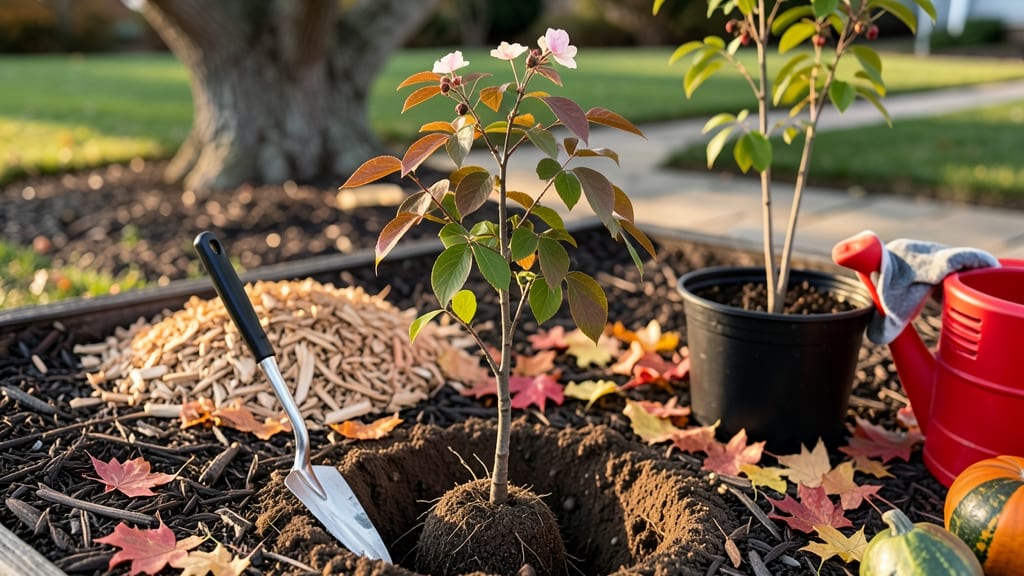
Planting a dogwood tree 🌳 in fall can set the stage for stunning spring blooms—but timing it right makes all the difference.
In USDA Zone 6a, the sweet spot is late September through early November, when temperatures cool and the ground stays warm enough for roots to take hold before winter dormancy.
Why does this matter? Fall-planted dogwoods often outperform spring ones because they establish roots in cooler weather, giving them a head start when growth resumes. But get the timing wrong, and your tree might struggle to survive the first frost.
I’ll walk you through the exact window for your zone, plus soil prep and care tips to ensure your dogwood thrives.
You’ll also discover how to spot early signs of stress (like wilting leaves) and what to do if your tree isn’t recovering as expected. Whether you’re a seasoned gardener or a first-timer, these insights will help you plant with confidence—and watch your dogwood flourish for years to come.
Ready to give your dogwood the best possible start? Let’s dive into the ideal months, soil prep, and post-planting care to keep your tree healthy through winter and beyond.
Best fall planting months for dogwood trees by USDA Zone
Fall planting gives dogwood trees 4-6 weeks to establish roots before winter dormancy—a critical advantage for spring blooms. The ideal window is October through early November, but exact timing depends on your USDA zone and local climate.
Planting too early (like August) risks heat stress, while waiting until December leaves roots vulnerable to frost.
Dogwoods thrive when planted 4-6 weeks before the first expected frost. This ensures roots grow deep enough to survive winter. In colder zones (3–5), aim for late September to mid-October.
Warmer zones (7–10) can extend planting until early December, but avoid late fall when soil temperatures drop below 40°F (4°C).
Microclimates matter! A sheltered spot may allow 2 extra weeks of planting in cooler zones. For example, a south-facing slope in Zone 6 could support planting into early November, while a frost pocket might require planting by mid-October. Always check your local frost dates and adjust accordingly.
🌱 Did You Know? Dogwoods planted in fall often outperform spring-planted trees because cooler temperatures reduce transplant shock, and roots grow steadily without competing for water with above-ground growth.
In Zone 6a (like much of the Midwest), I plant dogwoods between October 1st and November 1st. This aligns with the 4-6 week rule before the average October 15 frost date.
For example, a Cornus florida planted on October 10th in Zone 6a will have ample time to establish roots before winter.
Regional variations exist even within zones. For instance, Pacific Northwest Zone 7 may plant until November 15th due to milder winters, while Appalachian Zone 7 should finish by November 1st to avoid early frosts.
Always verify your local frost dates via the National Weather Service or USDA Plant Hardiness Map.
If you miss the fall window, don’t panic! Dogwoods can also be planted in early spring (March–April), but fall planting gives them a head start for the following year’s blooms. Just ensure the soil isn’t frozen or waterlogged when planting.
Pro tip: Container-grown dogwoods can be planted 2 weeks later than bare-root trees, as their roots are already established. This flexibility makes them ideal for late fall planting in cooler zones.
For urban gardeners, microclimates created by buildings or pavement can delay frost by 1–2 weeks. Use this to your advantage by planting slightly later in sheltered areas. Just monitor soil temperatures—roots need consistent warmth to grow.
Always test your soil’s drainage and pH before planting. Dogwoods prefer slightly acidic soil (pH 5.0–6.0) and well-draining conditions. Amend heavy clay with compost or sand to improve aeration, which is critical for root development in fall.
Best fall planting months for dogwood trees by USDA Zone
Fall is the perfect season to plant dogwood trees because cooler temperatures and increased rainfall help roots establish before winter. But the exact timing depends on your USDA zone—plant too early, and roots may struggle; too late, and frost could damage young growth.
Let’s break down the ideal window for each zone to ensure your dogwood thrives.
In USDA Zones 3–5, aim for late September to mid-October. These cooler climates have an earlier frost, so planting too late risks exposing roots to freezing temperatures.
For example, in Zone 4, where first frost hits around October 15, plant by mid-September to give roots 6–8 weeks to settle.
In Zones 6–8, the window expands to October through early November. These zones enjoy milder falls, allowing more time for root growth.
For instance, in Zone 7, with a first frost around November 15, you can plant as late as early November—just avoid planting when soil is waterlogged or frozen.
For Zones 9–10, focus on late October to November. Warmer climates mean later frosts, but dogwoods still need time to acclimate before winter dormancy. In Zone 9, plant by mid-November to avoid unseasonable cold snaps that can stress young trees.
| USDA Zone | Best Planting Window | Key Consideration |
|---|---|---|
| 3–5 | Late September–Mid-October | Early frost; prioritize root establishment |
| 6–8 | October–Early November | Milder falls; avoid late-season planting |
| 9–10 | Late October–November | Warmer climates; watch for cold snaps |
Microclimates matter too! If your area has unpredictable frosts or heavy rainfall, adjust your timeline. For example, in Zone 6, a high-elevation site might need planting by early October, while a low-lying area could handle mid-November.
Always check your local frost dates and aim to plant 4–6 weeks before the first expected frost.
Pro tip: Container-grown dogwoods can handle slightly later planting than bare-root trees. Their roots are already established, so you can push the window to early December in Zones 7–10—just water deeply before winter sets in. Bare-root trees, however, need that 6–8 week buffer to avoid transplant shock.
Remember, the goal is to give your dogwood’s roots time to grow and harden off before dormancy. With the right timing, your tree will burst into vibrant spring blooms and thrive for decades. Happy planting! 🌳