
Watering
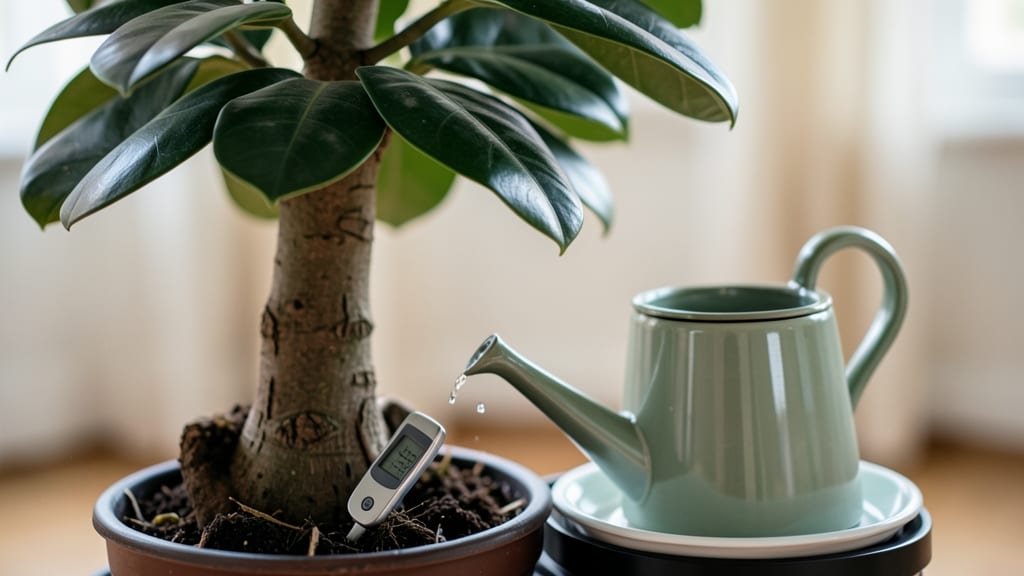
Figuring out rubber plant how much water your 🌿 needs can feel like walking a tightrope—too much, and you're drowning its roots; too little, and those lush leaves start to sag.
The good news? With the right approach, keeping your rubber plant happy is simpler than you think, and I’ve got the exact schedule to help you nail it.
Most gardeners make the mistake of sticking to a rigid watering calendar, but rubber plants are smarter than that. They thrive when you pay attention to their environment—think humidity levels, pot size, and even the season.
In spring and summer, your plant might drink up water faster, while winter slows things down. The key is checking the soil moisture before you water, not just following a weekly rule.
I’ll show you how to tell when your rubber plant is thirsty (yes, there are visual clues!) and how often to water it based on where you live and what kind of pot it’s in.
No guesswork—just a straightforward plan to keep those glossy leaves perky and your plant growing strong for years.
Whether you’re a beginner or a seasoned plant parent, this guide cuts through the confusion. You’ll learn the signs of overwatering or underwatering, plus pro tips to adjust your routine as the seasons change. Let’s get your rubber plant the perfect amount of water—no more, no less.
How much water does a rubber plant need monthly?
Your rubber plant (Ficus elastica) thrives on a consistent but cautious watering routine. Unlike thirsty succulents, it doesn’t love soggy soil—but it also hates drying out completely. The key is deep, infrequent waterings that let the roots breathe between sessions.
Think of it like giving your plant a long drink instead of sipping all day.
Most gardeners water their rubber plants every 1-2 weeks, but this shifts with seasons. In summer’s heat, you might water weekly, while winter’s dormancy could stretch that to every 3-4 weeks.
The trick? Always check the top 1-2 inches of soil—if it’s dry, it’s time to water. Stick your finger in; if it feels dry, your plant is ready for a drink.
Environment matters more than rules. A rubber plant in a small terracotta pot dries out faster than one in a large ceramic container. Humidity levels also play a role: Dry indoor air (like from heating systems) means more frequent watering, while a humid bathroom might let you wait longer. Even sunlight exposure affects thirst—bright indirect light increases evaporation.
Let’s break down the monthly watering schedule so you can adjust based on your plant’s home. Whether you’re in a sunny living room or a cooler office corner, this guide keeps your rubber plant’s leaves plump and glossy—not wrinkled or yellow.
| Season | Watering Frequency | Soil Moisture Goal | Notes |
|---|---|---|---|
| Spring | Every 7-10 days | Top 1-2" dry | Increase watering as temps rise |
| Summer | Every 5-7 days | Top 1" dry | Monitor for wilting faster |
| Fall | Every 10-14 days | Top 2" dry | Reduce as growth slows |
| Winter | Every 3-4 weeks | Top 3" dry | Dormancy period—water less |
Spring kicks off your rubber plant’s growing season, so water it every 7-10 days as temperatures rise. Aim to keep the top 1-2 inches of soil dry between waterings.
This is when your plant drinks the most, so don’t skimp—wilting leaves in spring often mean it’s thirsty, not sick. If you notice new growth slowing, it might need a deep drink to fuel its energy.
Summer demands the most attention. With higher temperatures and lower humidity, your rubber plant may need water every 5-7 days. The rule of thumb? If the top inch of soil feels dry, it’s time.
Watch for drooping leaves—a classic sign of thirst. Pro tip: Place the pot on a pebble tray with water to boost humidity around the plant without overwatering.
Fall signals a slowdown in growth, so reduce watering to every 10-14 days. Let the top 2 inches of soil dry out before watering again. This is your plant’s time to rest and store energy for next year.
Overwatering in fall can lead to root rot, so err on the side of caution. If your home stays warm, you might water slightly more often.
Winter is all about minimal watering. Your rubber plant enters dormancy, so stretch waterings to every 3-4 weeks. Check the top 3 inches of soil—if it’s bone dry, give it a light watering.
Avoid letting water pool in the saucer; empty it after 10 minutes to prevent root suffocation. A cool room (60-70°F) will help your plant conserve moisture naturally.
Pot size and material also tweak the schedule. A small pot (under 6 inches) dries out faster than a large container, so adjust accordingly. Terracotta pots wick moisture away, while plastic pots retain it longer.
If you’re unsure, lift the pot—if it feels lightweight, it’s time to water. If it’s heavy with moisture, wait another week.
Remember, water quality matters. Rubber plants hate fluoride and chlorine in tap water, which can cause brown leaf tips. Use filtered, distilled, or rainwater when possible. If
How much water does a rubber plant need monthly?
Your rubber plant (Ficus elastica) thrives on a consistent but cautious watering routine. Unlike thirsty succulents, it doesn’t love soggy soil, but it also hates bone-dry conditions. The key is balancing moisture based on your home’s humidity levels, pot size, and seasonal changes.
Let’s break down the exact watering schedule to keep those glossy leaves happy year-round.
During spring and summer, your rubber plant enters its growth phase, needing more frequent watering—typically every 7-10 days. This is when it drinks the most, especially if you’ve noticed new leaves sprouting.
In fall and winter, growth slows, and water needs drop to every 3-4 weeks. Think of it like adjusting your watering can’s flow: more in warm months, less in cooler ones.
🌿
| Season | Watering Frequency | Soil Moisture Goal | Notes |
|---|---|---|---|
| Spring | Every 7-10 days | Top 1-2 inches dry | Active growth phase |
| Summer | Every 5-7 days | Top 1 inch dry | Higher evaporation; monitor closely |
| Fall | Every 10-14 days | Top 2-3 inches dry | Growth slows; reduce frequency |
| Winter | Every 3-4 weeks | Top 3-4 inches dry | Dormancy period; minimal water |
Environmental factors play a huge role in adjusting your rubber plant’s water needs. For instance, if your home has low humidity (common in winter due to indoor heating), you’ll need to water more frequently—even in cooler months.
Conversely, if your plant sits near a humidifier or in a bathroom with steamy showers, you can stretch out watering intervals. Always check the soil’s moisture by sticking your finger 1-2 inches deep—if it feels dry, it’s time to water.
Pot size matters too! A small 6-inch pot will dry out faster than a large 12-inch container. If you repotted your rubber plant recently, it may need water less often until roots establish. And remember: well-draining soil is non-negotiable.
If water pools at the bottom of the pot for more than an hour, your plant is at risk for root rot, a silent killer of rubber plants.
Pro tip: Group your rubber plant with other houseplants in a pebble tray filled with water. The increased humidity around the plants mimics their natural tropical habitat, reducing how often you need to water. Just be sure the pot isn’t sitting directly in the water—only the pebbles should stay moist.
☀️