
Plants
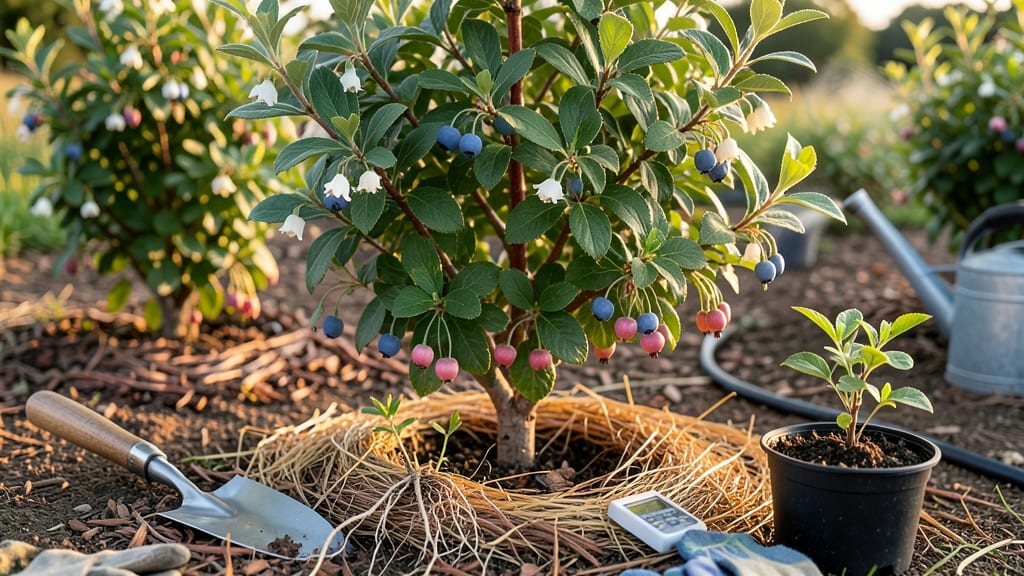
Planting blueberries in Kansas isn't just about throwing seeds into the dirt—it's about timing your move to beat frost and give those 🫐 bushes the best shot at thriving. Get it wrong, and you might end up with sad, stunted plants or worse, a total loss to late spring freezes.
But here's the good news: with the right schedule, you can set your blueberries up for a bountiful harvest that'll make your neighbors jealous.
Most Kansas gardeners swear by late winter to early spring planting, but the exact window depends on where you live within zones 5b-7a.
We're talking February through April, but not just any day—you'll want to aim for 4-6 weeks before your last expected frost, which typically lands around mid-March for most of the state. This gives your plants enough time to establish roots before summer heat sets in.
What makes Kansas unique is our variable climate—one year might bring early freezes, while another could surprise you with unseasonably warm spells. That's why understanding your specific region matters so much.
Whether you're in Wichita, Topeka, or the Wichita Mountains, I'll show you exactly when to get those blueberry plants in the ground for maximum success.
Ready to grow blueberries that produce year after year? Let's dive into the exact planting schedule that'll have you harvesting sweet, juicy berries from June through August—no guesswork required. Your future breakfast pancakes will thank you!
Best months to plant blueberries in Kansas (by region)
Kansas’ diverse climate zones (5b-7a) mean blueberry planting times vary by region. Northern Kansas (Wichita, Topeka) has later frost dates, while Southern Kansas (Wichita Mountains) can plant earlier. The key is timing 4-6 weeks before your last frost date—typically mid-March to early April for most gardeners.
Blueberries thrive when planted in early spring, giving roots time to establish before summer heat. Fall planting (October-November) is also possible but riskier in Kansas due to unpredictable winters. Bare-root plants (most common) should go in the ground as soon as soil is workable, while container-grown blueberries can handle slightly later spring planting.
Here’s the breakdown by region, accounting for USDA zones and average last frost dates:
| Region | USDA Zone | Last Frost Date | Ideal Planting Window | Notes |
|---|---|---|---|---|
| North (Wichita, Topeka) | 6a-6b | April 1-15 | March 15-April 1 | Later frost risk; use frost cloth if planting early. |
| Central (Salina, Manhattan) | 6b-7a | March 25-April 5 | March 1-March 25 | Best balance of frost risk and growing season. |
| South (Wichita Mountains) | 7a | March 10-20 | February 20-March 10 | Earliest planting; monitor for late freezes. |
For container planting, you can extend your window slightly—plant up to 2 weeks later than in-ground, since pots warm up faster. However, avoid planting after May, as summer heat stress will stunt root growth before winter.
If you miss spring, fall planting is your next best option, but do it 6-8 weeks before first frost (typically by October 15).
Pro tip: Check your local cooperative extension service for microclimate adjustments. For example, low-lying areas (like Topeka’s river valleys) may have 2-3 weeks later frost dates than nearby hills. Use a frost calendar or plant near a south-facing wall to create a warmer microclimate for early planting.
Blueberries need 6-10 hours of sunlight daily, so choose a spot with full sun exposure. In Kansas’ intense summers, afternoon shade helps prevent heat stress. South-facing slopes are ideal—they warm up faster in spring and provide natural protection from harsh afternoon sun.
If you’re planting multiple varieties (e.g., ‘Bluecrop’ and ‘Duke’), space them 3-5 feet apart to ensure cross-pollination. Dwarf varieties (like ‘Top Hat’) can be planted 2 feet apart in containers or small gardens.
Always amend soil with peat moss or sulfur to lower pH—Kansas’ native alkaline soil is deadly for blueberries.
🌱
How Kansas soil and climate affect blueberry planting success
Kansas’ alkaline soils and variable climate can make blueberry planting tricky—these shrubs crave acidic soil (pH 4.5-5.5) and struggle with our calcareous topsoil. Without adjustments, your bushes may yellow leaves or produce tiny, tart berries.
The key? Preparing soil 3-4 months before planting and using organic amendments like peat moss or pine bark.
Our USDA zones 5b-7a also bring late spring frosts (March-April) and early winter freezes (November). Young blueberries need frost protection—think row covers or mulch blankets—until they’re established. Even mature bushes benefit from winter mulch to insulate roots from temperature swings.
Here’s the critical adjustment you can’t skip: Test your soil’s pH 6-8 weeks before planting. Kansas Extension offices offer free or low-cost tests, or use a home test kit ($10-$15). If your pH is above 6.0, you’ll need to lower it aggressively—this isn’t a quick fix!
⚠️ Kansas-Specific Warning
Blueberries hate alkaline soil—Kansas’ natural pH (7.5-8.5) will kill your plants without treatment. Even after amending, re-test pH annually; blueberries are pickier than tomatoes about soil chemistry.
Pro Tip: Mix sulfur (1 lb per 100 sq ft) into the soil 6 months before planting. It takes time to lower pH safely—don’t rush!
Another climate challenge is Kansas’ dry winds and intense summers. Blueberries need consistent moisture, but our loamy soils drain too fast. Mulch heavily (4-6 inches of pine needles or wood chips) to retain soil moisture and regulate temperature. Avoid grass clippings—they raise pH over time!
For container gardening (a great option in Kansas’ hot microclimates), use acidic potting mix (like Fafard Premium Potting Mix) and fertilize monthly with an acid-loving plant formula. Containers also let you move bushes to shadier spots during peak summer heat (100°F+ temps stress blueberries).
Finally, watch for hail—Kansas’ severe storms can destroy young canes. Plant near a windbreak (like a fence or hedge) to protect tender growth. If hail hits, prune damaged canes in early spring to encourage new, healthy growth.