
Watering
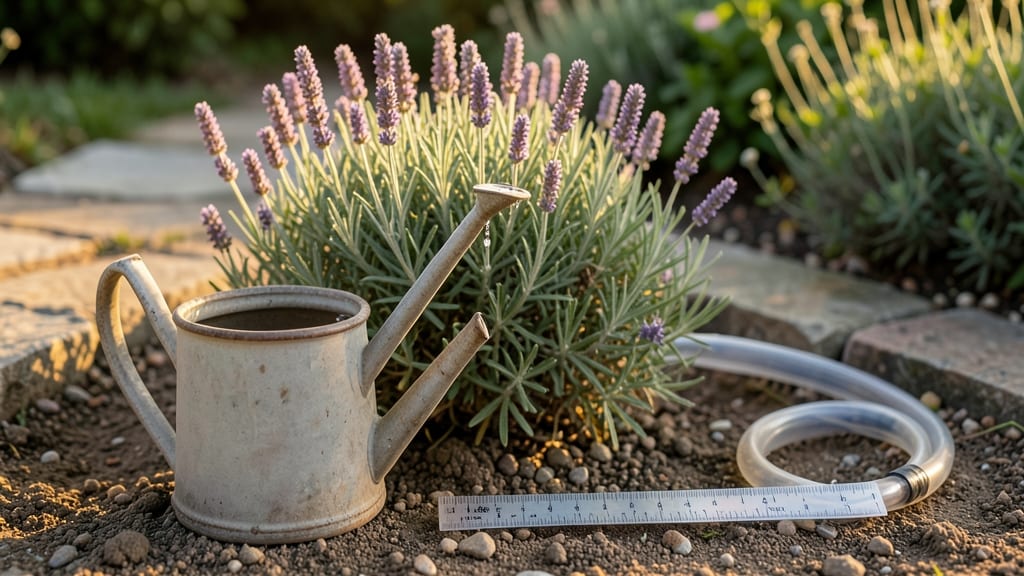
If your lavender plant looks thirsty but you're not sure how much water to give it, you're not alone—this Mediterranean beauty thrives on a delicate balance that confuses even seasoned gardeners.
Lavender 🌿 actually despises soggy roots, making it one of the most drought-resistant plants you can grow. The key is deep, infrequent watering that mimics its natural habitat, not daily sips that lead to root rot.
I've learned the hard way that lavender's crisp fragrance fades fast when it's either drowning or wilting.
In this guide, I'll break down the exact watering schedule you need—from spring's thirsty roots to summer's drought tolerance—plus how to spot when your plant is begging for help (or drowning). No more guessing whether to water or not!
Whether you're growing lavender in containers or garden beds, these simple techniques will keep your plants lush, fragrant, and flourishing for years. Let's dive into the secrets that'll transform your lavender from struggling to stunning.
How much water does lavender need? The exact schedule for healthy growth
Lavender’s drought-resistant nature makes it one of the easiest herbs to grow, but that doesn’t mean it’s completely carefree. Too much water can suffocate its roots, while too little stresses the plant—especially in hot summer months. The key is deep, infrequent watering that encourages strong root development.
As a rule, lavender needs about 1 inch of water per week during active growth (spring and summer). However, this changes with seasonal shifts, soil type, and whether your plant is newly established or mature.
Let’s break it down by stage and season so you can keep your lavender thriving without guesswork.
🌱 Lavender Watering by Growth Stage & Season
- 🌱 New Plants (First Year): Water every 5-7 days to establish roots—soil should stay evenly moist but not soggy.
- 🌿 Established Plants (Year 2+): Reduce to every 10-14 days in summer; monthly in winter.
- ☀️ Summer Heatwave: Increase spacing to every 2-3 weeks if rainfall exceeds 1 inch.
- ❄️ Winter Dormancy: Water only if soil is bone-dry (once a month max).
Pro Tip: Stick your finger 2 inches into the soil—if it’s dry, water; if damp, wait.
For container-grown lavender, the schedule shifts slightly because pots dry out faster. Water every 5-7 days in summer and every 2 weeks in winter, but always check the soil first. Containers also need well-draining potting mix—regular garden soil will drown your plant.
Seasonal adjustments are critical. In spring and fall, lavender enters its active growth phase and needs consistent moisture. Aim for 1 inch of water weekly, delivered in the early morning to prevent fungal issues.
During summer’s peak heat, reduce frequency but increase depth—soak the root zone until water runs out the drainage holes.
One of the biggest mistakes gardeners make is watering lavender at night. This traps moisture on leaves, inviting powdery mildew or root rot. Always water in the morning (6-9 AM) so foliage dries quickly.
If you’re unsure whether your lavender is thirsty, look for wilting stems or grayish leaves—these are signs it’s time to hydrate.
Soil type plays a huge role in how often you water. Lavender thrives in sandy, gritty, or rocky soil that drains quickly. If your garden has clay-heavy soil, amend it with perlite or coarse sand to improve drainage.
Amended soil holds just enough moisture while preventing waterlogging—ideal for lavender’s Mediterranean roots.
Let’s talk about rainfall and how it affects your schedule. If you get 1 inch of rain in a week, skip your watering. Use a rain gauge or tuna can to measure precipitation—this keeps you from overwatering during wet spells.
In drought-prone areas, mulch around your lavender with gravel or pebbles (not organic mulch) to retain moisture without smothering the plant.
Finally, never let lavender sit in standing water. Its roots are sensitive to rot, and soggy soil is a fast track to decline. If your garden has poor drainage, consider planting lavender in a raised bed or sloped area where excess water runs away.
A slight elevation of 6-12 inches can make all the difference for long-term health.
With this schedule, your lavender will reward you with vibrant blooms and intoxicating fragrance year after year. The secret? Less frequent, deeper watering paired with well-draining soil.
Stick to these principles, and you’ll avoid the heartbreak of a wilting lavender bush—or worse, one that’s drowned in its own pot.
How much water does lavender need? The exact schedule for healthy growth
Lavender 🌿 thrives on infrequent, deep watering—not light sips that keep roots damp. In its native Mediterranean climate, lavender survives on irregular rainfall, so we mimic that by watering only when the top 2-3 inches of soil feel completely dry.
Stick your finger in the soil: if it’s bone-dry, it’s time to water.
Newly planted lavender is the exception—it needs weekly watering for the first month to establish roots. After that, most mature lavender plants only need water every 7-10 days in spring and every 10-14 days in summer. Overwatering here is the #1 mistake—lavender roots rot faster than they wilt!
Here’s the seasonal watering breakdown that keeps lavender lush without drowning it:
- 🌱 Spring (March-May): Every 7-10 days—roots wake up hungry after winter!
- ☀️ Summer (June-August): Every 10-14 days—heat dries soil fast, but don’t overdo it.
- 🍂 Fall (September-November): Every 10-14 days—reduce as temps drop.
- ❄️ Winter (December-February): Monthly only—unless it’s a droughty winter.
Established lavender in well-draining soil can go weeks without water once roots are deep. The key is deep watering: soak the soil until water runs out the drainage holes (or 6-8 inches deep in garden beds). Shallow watering encourages weak roots that crave constant moisture.
Morning is the best time to water—it gives leaves time to dry before evening, reducing fungal risks. Avoid watering at night, even if your lavender looks thirsty. I’ve seen powdery mildew take over lavender beds from overnight dampness, and trust me, you don’t want that!
Watch for yellowing leaves or mushy stems—these are red flags for overwatering. On the flip side, gray-green foliage or wilting buds mean it’s time to hydrate. Lavender’s resilience makes it forgiving, but these signs help you strike the perfect balance.
For container-grown lavender, cut watering in half—pots dry out 2-3x faster than garden beds. Use terracotta pots for best results; they wick moisture away naturally. And always choose pots with drainage holes—no exceptions!