
Watering
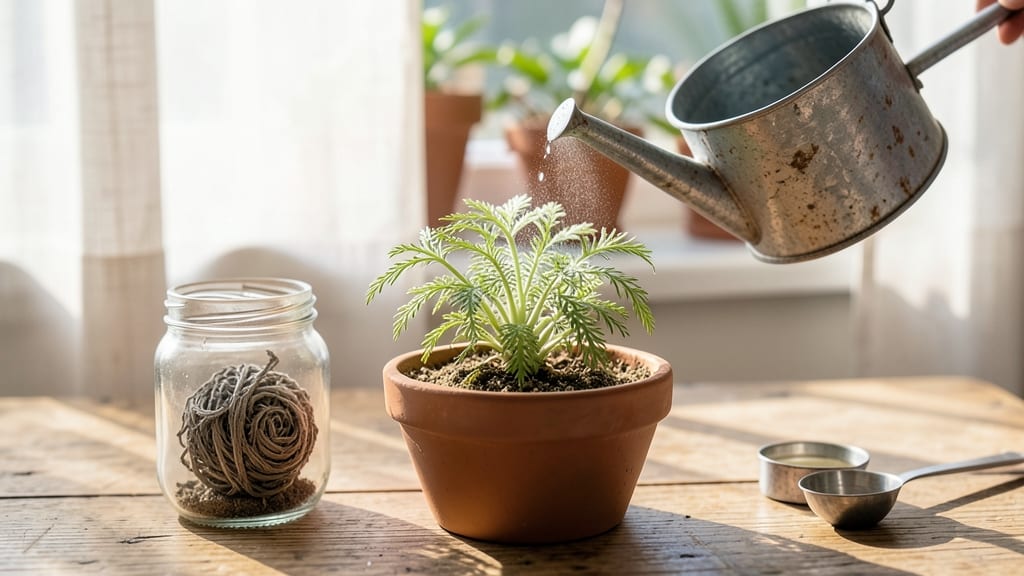
Mastering the resurrection plant how much water question could be the difference between a thriving 🌵 and a lost experiment. This remarkable desert dweller can survive years without a drop—then spring back to life in hours—but getting its hydration just right takes more than guesswork.
Most gardeners overthink watering these tough little plants, assuming they need constant moisture like other succulents. The truth? Your resurrection plant actually hates regular watering. We've learned the hard way that even well-meaning gardeners drown them during revival attempts, turning their miracle comeback into a sad, mushy mess.
What you'll discover here is the exact watering rhythm this plant craves—from its bone-dry dormancy phase to the precise misting technique that brings it back from the dead. No more guessing whether that extra spray will help or harm your 🌵.
Let's break down the science behind its drought-proof survival and the simple watering routine that keeps your resurrection plant happy year after year—without turning your thumb green with worry.
How much water does a resurrection plant need during dormancy?
The resurrection plant (Selaginella lepidophylla) is nature’s ultimate drought survivor—it can go years without water and still bounce back when moisture returns. But this incredible adaptability doesn’t mean you should neglect its hydration entirely.
Understanding its watering needs during dormancy is key to keeping your plant alive while minimizing effort. Here’s the secret: almost no water at all.
During its dormant phase (typically late fall through early spring), the resurrection plant enters a state of extreme dehydration. In the wild, this can last months or even years without rain. Mimicking these conditions is the best way to care for your plant.
The goal is to keep the soil bone-dry—so dry that you can’t detect any moisture within the top 2 inches of soil. Overwatering here is the fastest way to kill your plant.
| Phase | Watering Frequency | Soil Moisture Goal | Notes |
|---|---|---|---|
| Dormancy (Fall-Winter) | Every 3-6 months | Completely dry | Mimics desert conditions; no misting. |
| Active Growth (Spring-Summer) | Every 4-6 weeks | Lightly moist (top 1 inch) | Water just enough to reactivate growth. |
| Revival Phase | Mist 2-3x daily for 3-5 days | High humidity (not soggy) | Use a spray bottle for gentle hydration. |
| Warning Signs | Overwatering | Yellowing leaves | Root rot develops within 48 hours of excess moisture. |
If you’re growing your resurrection plant in a container, the watering schedule is slightly more forgiving than in-ground planting. Containers dry out faster, so you can stretch the time between waterings to 6-8 weeks during dormancy.
However, if you notice the soil staying damp for longer than a week, your pot may not have adequate drainage. Always use a pot with drainage holes and a cactus/succulent mix to prevent waterlogging.
The resurrection plant’s ability to revive from extreme dryness makes it a fascinating addition to any drought-tolerant garden. But don’t let its resilience fool you—too much water is just as deadly as too little.
The key is to trust the process and let the plant teach you its rhythm. Start with zero water for the first 3 months after planting to help it establish its natural cycle.
One common misconception is that you should water lightly but often to keep the plant happy. This is a recipe for disaster. The resurrection plant’s roots are sensitive to consistent moisture, which leads to rot.
Instead, think of watering as a rare event—something that happens only when the plant is truly ready to spring back to life. This often coincides with warmer temperatures in spring, when the plant naturally begins to wake up.
For those in arid climates, like the southwestern U.S., your resurrection plant will thrive with almost no intervention during dormancy. If you live in a humid region, however, you may need to increase airflow around the plant to prevent fungal issues.
A small fan on low speed near the plant can help mimic desert wind conditions, keeping it dry and healthy.
Pro tip: If you’re unsure whether your resurrection plant needs water, wait another week. Chances are, it’s fine. The plant’s wrinkled, grayish appearance during dormancy is completely normal and a sign that it’s preparing for revival.
Only when you see the first signs of green regrowth should you consider reintroducing moisture.
Remember, the resurrection plant’s superpower is its ability to store water in its leaves and survive on almost nothing. By matching its care to its natural habitat, you’ll ensure your plant stays healthy, happy, and ready to impress when it’s time to revive. 🌵
How much water does a resurrection plant need during dormancy?
The resurrection plant (Selaginella lepidophylla) thrives on neglect—literally. During its dormancy phase, which lasts months or even years, this desert dweller needs almost no water.
In fact, keeping it bone-dry mimics its natural habitat, where rainfall is rare. The key is understanding its two hydration phases: extreme drought tolerance and minimal revival moisture.
When your resurrection plant looks like a crispy brown twig, resist the urge to water! Its natural dormancy begins when soil moisture drops below 10%. This triggers its survival mode, where it curls into a protective ball.
Even in USDA Zone 6a, where winters can be mild, this plant survives without water for 12+ months in ideal conditions.
| Phase | Water Needs | Frequency | Soil Moisture |
|---|---|---|---|
| Dormancy | None | Every 6-12 months | <10% |
| Revival | Light misting | Every 2-3 days | 30-50% |
| Active Growth | Sparse soak | Every 3-4 weeks | 20-30% |
For container-grown resurrection plants, the rule is even stricter. Use terracotta pots with drainage holes to prevent moisture buildup. In raised beds, space plants 6+ inches apart to allow air circulation.
Overwatering here is the fastest way to kill this drought specialist—root rot sets in within 48 hours of soggy soil.
If you’re growing resurrection plants in community gardens or backyard desert landscapes, group them with cacti and agave to create a microclimate with minimal moisture. Even in spring planting (March-April), hold off on watering until you see green shoots—a sign it’s breaking dormancy.
This patience pays off when your plant unfurls into lush green foliage in just 24 hours.
Pro tip: Use a moisture meter (or the finger test) to check soil conditions. Stick your finger 1 inch deep—if it feels dry, your plant is ready for its sparse soak.
If it’s damp, wait another 2-4 weeks. Remember, this plant’s superpower is surviving without water, not thriving with it.
Once your resurrection plant revives, transition to monthly watering during its active growth phase (spring and fall). But never exceed 50ml per plant—this tiny marvel proves that less water often yields more dramatic results. 🌵