
Watering
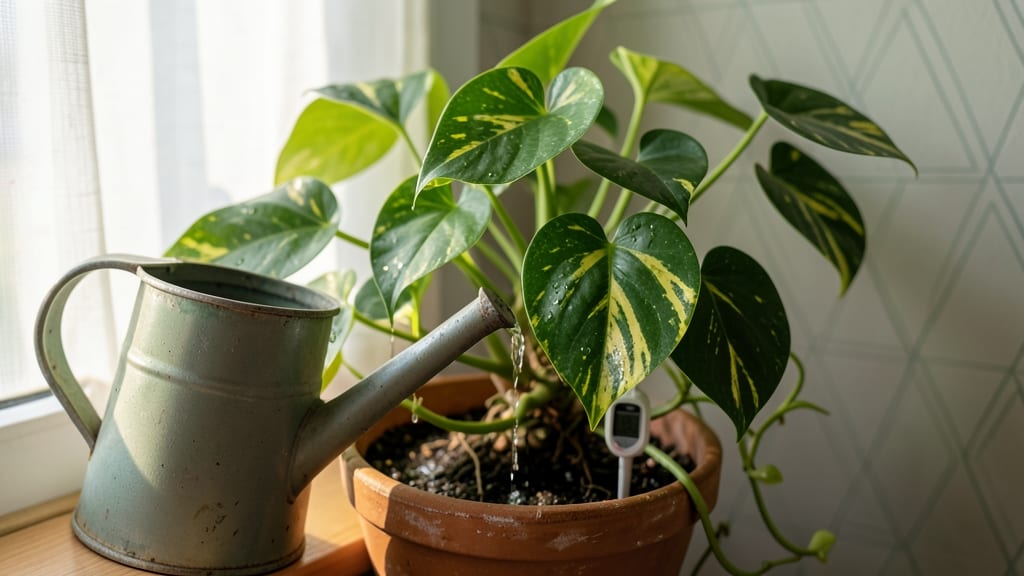
Figuring out how much water your money plant 💵 needs can feel like walking a tightrope—too little and it wilts, too much and those gorgeous leaves turn yellow. The good news? With the right schedule, you can keep your Money Plant thriving without guessing.
I’ve learned the hard way that most people either drown their plants or let them dry out completely. The secret lies in checking the soil moisture first—stick your finger an inch deep, and if it feels dry, that’s your cue.
Season matters too, since summer heat demands more frequent watering than winter’s slower growth phase.
In this guide, I’ll break down the exact watering routine for your Money Plant, from weekly checks to adjusting for humidity levels. You’ll discover how container size affects drying time and what those leaf edges are really trying to tell you.
Whether you’re a beginner or just tired of brown spots on your plant’s leaves, these practical tips will help you master the perfect watering balance. Let’s get your Money Plant looking lush again—without the guesswork.
How often to water a money plant based on season and soil type
Your money plant (Pachira aquatica) thrives on a consistent but cautious watering routine—too much or too little can stress it. The key is checking the top 1-2 inches of soil before watering, as this tropical plant prefers slightly moist, not soggy, conditions.
I’ve learned the hard way that overwatering leads to root rot, while underwatering causes crispy leaves, so finding that balance is everything.
Seasonal changes dramatically impact your watering schedule. During spring and summer, your money plant grows actively and needs more frequent watering—about every 5-7 days—while fall and winter slow its growth, requiring water every 2-3 weeks.
Even indoor plants benefit from this adjustment, as central heating dries out the air faster in winter.
Now, let’s talk soil type, because not all potting mixes behave the same. Sandy soil drains quickly, so you’ll need to water more often (every 4-5 days), while clay-heavy mixes hold moisture longer, extending the time between waterings to 10-14 days.
For most money plants, a well-draining potting mix with perlite or orchid bark works best to mimic their tropical habitat.
🌱 Pro Tip: Stick your finger 1 inch deep into the soil. If it feels dry, it’s time to water. If it’s still damp, wait another day. This simple trick saves my plants from both drought stress and waterlogged roots.
🌱 Money Plant Watering Guide by Season & Soil
| Season | Soil Type | Watering Frequency | Visual Cues |
|---|---|---|---|
| Spring | Standard Potting Mix | Every 5-7 days | Topsoil dry to touch |
| Summer | Sandy Soil | Every 4-5 days | Leaves slightly wilted |
| Fall | Clay-Heavy Mix | Every 10-14 days | Slow growth |
| Winter | Any | Every 2-3 weeks | Dormant leaves |
💧 Note: Adjust for humidity levels—dry air speeds up evaporation.
Humidity plays a sneaky role in your watering routine. Money plants love 60-70% humidity, but most homes hover around 30-40%, especially in winter. If your air feels dry, increase watering slightly or place a pebble tray under the pot.
I’ve seen money plants revive quickly when given this extra moisture boost!
Container size matters too. A smaller pot (6-8 inches) dries out faster, needing water every 4-5 days, while a large pot (12+ inches) can go 10-14 days between waterings.
Always ensure your pot has drainage holes—this is non-negotiable for preventing root rot, a silent killer of money plants.
🌿 Watch for these signs: Yellowing leaves often mean overwatering, while brown, crispy edges signal underwatering. Both issues are fixable—just adjust your schedule and trim damaged foliage to encourage new growth. My money plant bounced back beautifully after I caught the yellow leaves early!
Finally, morning watering is ideal because it allows excess moisture to evaporate during the day. Avoid watering at night, as wet leaves can attract pests like spider mites. I’ve made this a habit, and my money plants stay healthier and more vibrant.
🪴 Remember: Every money plant is unique—observe yours closely, and you’ll master the perfect watering rhythm in no time!
How often to water a money plant based on season and soil type
Watering your money plant correctly is the key to keeping those vibrant, palmate leaves thriving. Unlike some plants that thrive on strict schedules, money plants prefer a soil-moisture-based approach. The secret? Let the top 1-2 inches of soil dry out between waterings—this prevents both root rot and dehydration.
Your money plant’s water needs shift dramatically with the seasons. In spring and summer, when growth is most active, you’ll water more frequently. But in fall and winter, the plant enters a semi-dormant state, requiring less moisture.
Even the type of soil you use affects how often you should water—sandy soil drains faster than clay or potting mix.
| Season | Watering Frequency | Soil Check | Visual Cues |
|---|---|---|---|
| Spring | Every 7-10 days | Top 1-2 inches dry | Leaves perk up after watering |
| Summer | Every 5-7 days | Top 1 inch dry | Faster evaporation—check soil daily |
| Fall | Every 10-14 days | Top 2-3 inches dry | Growth slows—reduce watering |
| Winter | Every 14-21 days | Top 3 inches dry | Dormant phase—water sparingly |
Pay close attention to your money plant’s soil type. If you’re using a sandy mix, it drains quickly, so you’ll need to water every 5-7 days in summer. On the other hand, clay-heavy soil retains moisture longer, so you can stretch watering to 10-14 days.
Always use a pot with drainage holes—this is non-negotiable for preventing root rot.
Here’s a pro tip: Stick your finger 1-2 inches into the soil. If it feels dry, it’s time to water. If it’s still damp, wait a few more days.
This simple test beats guessing and saves your plant from waterlogged roots. I’ve learned the hard way that overwatering kills more money plants than underwatering!
Adjust your watering routine based on your home’s humidity levels. If your air feels dry—like in winter with indoor heating—your money plant will need water more often. Conversely, in humid summer months, you might reduce watering slightly to avoid soggy soil.
A hygrometer can help track humidity, but even your plant’s leaves will tell you: drooping leaves mean it’s thirsty, while yellowing leaves signal too much water.
Finally, consider your money plant’s container size. Smaller pots dry out faster, so you’ll water more frequently. If you’ve recently repotted your plant into a larger container, reduce watering until the roots adjust to the new space.
The goal is to keep the soil consistently moist but never soggy—this balance is what keeps those iconic palmate leaves lush and green all year.