
Plants
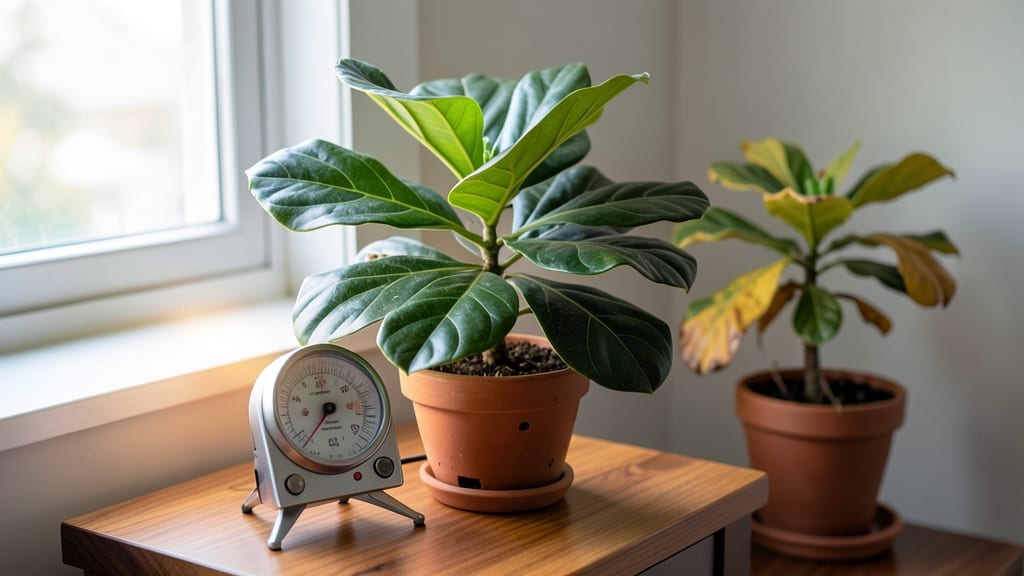
Wondering how much light does a ficus plant need to stay happy and healthy? If your 🌿 Ficus elastica or Ficus benjamina is looking sad with yellow leaves or brown patches, light might be the culprit.
Ficus plants are famously adaptable, but they do have preferences. Too little light slows growth, while harsh direct sun burns those lush leaves. The sweet spot? Bright, indirect light—think filtered sunshine from an east- or north-facing window.
In this guide, I’ll break down exactly how much light your ficus needs, how to spot signs of over- or under-lighting, and even how to adjust your home’s lighting for the perfect balance. Let’s get your plant thriving!
Whether you’re dealing with a low-light space or a sun-drenched room, you’ll learn how to create the ideal conditions—no guesswork required. Ready to revive those droopy leaves?
 Best Window Placement
Ficus light requirements: understanding brightness zones for healthy growth
Ficus plants thrive in bright, indirect light, but their exact needs vary based on the variety and maturity. Understanding your home’s light zones will help you position your ficus for optimal growth.
Most ficus species tolerate low to medium light, but prolonged exposure to harsh direct sunlight or dim corners can stress them.
For a healthy ficus, aim for 4-6 hours of filtered light daily. This mimics their natural understory habitat, where dappled sunlight filters through tree canopies. East-facing windows provide gentle morning light, while north-facing windows offer consistent, soft illumination—both ideal spots for your plant.
| Light Zone | Description | Ficus Response | Signs of Stress |
|---|---|---|---|
| Low Light (e.g., north-facing windows, rooms without windows) | <1,000 foot-candles; dim, shaded areas | Survives but grows slowly; leaves may pale | Leggy stems, small leaves, yellowing |
| Medium Light (e.g., east/west windows, 1-3 ft from south window) | 1,000-3,000 foot-candles; bright indirect | Ideal growth; vibrant leaves, moderate height | None (healthy balance) |
| High Light (e.g., direct south sun, <3 ft from window) | >3,000 foot-candles; intense, direct rays | Leaf scorch; slowed growth | Brown crispy edges, bleached patches, wilting |
Ficus plants like Ficus elastica (rubber plant) and Ficus benjamina (weeping fig) adapt well to medium-light conditions, but variegated varieties (e.g., Ficus lyrata) need slightly more brightness to maintain their striking patterns.
If your ficus is drooping or losing leaves, it’s often a sign of light deprivation—move it closer to a window or supplement with a grow light.
Watch for yellowing leaves, which often indicate too much direct sunlight. This is common in south-facing windows, where afternoon sun can be intense. Rotate your plant quarter-turns weekly to ensure even growth and prevent lopsided exposure.
A simple trick: place a sheer curtain between your ficus and the window to diffuse harsh rays.
Variegated ficus varieties, such as Ficus elastica 'Tineke', require more light than solid-green types to maintain their white or pink streaks. Without enough brightness, their variegation fades to plain green. If you notice this happening, gradually increase light exposure over 2-3 weeks to avoid shocking the plant.
In low-light offices or basements, ficus plants may still survive but will grow slowly and leggy. To counteract this, use a LED grow light (12-15 watts per square foot) for 12-14 hours daily.
Position the light 6-12 inches above the plant and adjust as it grows. Avoid placing it too close, or the leaves may burn.
Seasonal changes also affect light needs. During winter months, shorter daylight hours mean your ficus may need supplemental light, especially in northern climates. Conversely, in summer, watch for afternoon sun causing leaf scorch.
If you notice brown patches, move the plant further from the window or add a sheer curtain.
Pro tip: Use a light meter app (like Light Meter for smartphones) to measure foot-candles in your home. Aim for 1,000-3,000 foot-candles for optimal ficus health. If your space falls short, a south-facing window with a sheer curtain can often bridge the gap between low and medium light zones.
Remember, ficus plants are forgiving—they’ll adapt to slight changes in light over time. The key is gradual adjustments and observing your plant’s leaf color and growth patterns. With the right balance, your ficus will reward you with glossy, vibrant leaves and steady growth. 🌿
How to adjust your home’s lighting for a thriving ficus plant
Your ficus plant’s light needs aren’t just about quantity—they’re about quality. Direct sun acts like a microwave for leaves, cooking them in hours, while dim corners slow growth to a crawl.
The key? Bright, indirect light that mimics its natural understory habitat. Start by identifying your home’s light zones—some spots may surprise you!
Most homes have three lighting zones that affect ficus health: low-light (bathrooms, hallways), medium-light (west-facing rooms), and high-light (south-facing windows). A quick test: Hold a white sheet near your plant.
If it casts sharp shadows, it’s getting too much direct light. If the sheet looks gray and dull, your ficus needs brighter conditions.
- South-facing windows = leaf burn (use sheer curtains to diffuse light)
- Fluorescent bulbs alone = stunted growth (combine with full-spectrum LEDs)
- Drafty windows = leaf drop (keep plants 3 feet from cold glass)
For low-light areas, rotate your ficus quarter-turn weekly to prevent lopsided growth. If leaves start yellowing between veins, it’s begging for more light—try moving it 6 inches closer to a window. Pro tip: East-facing windows are ideal because morning sun is gentler than afternoon heat.
Artificial lighting can save your ficus if natural light is lacking. A 12-inch LED grow light (6,500K color temp) placed 12-18 inches above the plant for 12-14 hours daily mimics ideal conditions.
Skip the cheap clip-on bulbs—they emit too little blue spectrum light, which ficus plants crave for vibrant foliage.
Seasonal shifts demand adjustments. In winter, supplement with grow lights if daylight drops below 6 hours. In summer, watch for heat stress near south windows—move your plant 2 feet back if leaves feel warm to the touch.
A simple finger test works: If your hand feels hot after 5 minutes near the plant, it’s getting too much light.
Remember: Ficus plants are adaptable, but they communicate their needs through leaves. Watch for crispy edges (too much light), drooping (too little), or pale new growth (light is perfect but nutrients are lacking). With these tweaks, your ficus will reward you with glossy, deep-green leaves all year round. 🌿