
Watering
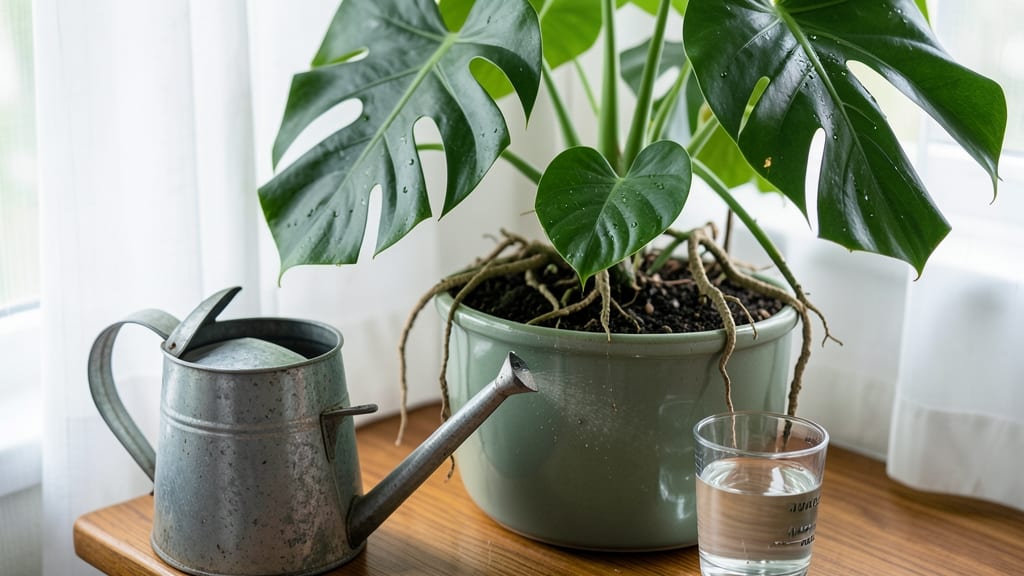
Figuring out how much water your monstera plant 🌿 needs can feel like solving a mystery—one wrong move, and those gorgeous split leaves start to protest with yellowing or crispy edges. The truth? Monsteras thrive on routine, not guesswork, and getting the balance right is easier than you think.
I’ve learned the hard way that these tropical beauties (yes, even indoors!) despise soggy roots but won’t hesitate to show you when they’re thirsty. Whether you’re a first-time plant parent or a seasoned collector, mastering the watering schedule will keep your monstera lush and growing year-round—no green thumb required.
In this guide, I’ll break down the exact watering routine based on your plant’s size, season, and even the pot it calls home. You’ll discover the simple soil test that saves plants (and your time) and how to spot the subtle signs of over- or underwatering before they become disasters.
Ready to turn your monstera into the thriving centerpiece of your space? Let’s dive into the science—and the shortcuts—that keep these vines happy, healthy, and reaching for the light.
How often to water monstera plants based on size and season
Watering your monstera plant correctly is the difference between lush, split-leaf growth and sad, drooping vines. Unlike succulents, monsteras thrive on consistent moisture but despise soggy roots. The key? Adjusting your watering schedule based on your plant’s size and the season. Here’s how to get it right every time.
For small monsteras (under 2 feet tall), aim to water every 5-7 days in summer. Their shallow root systems dry out faster than larger plants. In winter, stretch this to every 10-14 days—their growth slows dramatically. Always check the top 2 inches of soil with your finger before watering.
Medium-sized monsteras (2-6 feet) need deeper watering—soak the soil until water runs out the drainage holes, then wait until the top 3 inches are dry. In summer, this might mean weekly watering, while fall and winter can stretch to bi-weekly.
Larger plants (6+ feet) have bigger root balls, so they can handle longer dry spells—water when the top 4 inches are dry, usually every 10-14 days.
Seasonal shifts matter more than you’d think. During spring and summer, monsteras drink like they’re in the rainforest—increase humidity with a pebble tray or misting.
In fall and winter, reduce watering by 30-50% since growth slows. A hygrometer (humidity monitor) helps track these changes—aim for 60-80% humidity year-round.
🌿
| Plant Size | Season | Watering Frequency | Soil Check Depth | Pro Tip |
|---|---|---|---|---|
| Small (<2 ft) | Spring/Summer | Every 5-7 days | Top 2 inches dry | Use room-temperature water |
| Small (<2 ft) | Fall/Winter | Every 10-14 days | Top 2 inches dry | Reduce fertilizer too |
| Medium (2-6 ft) | Spring/Summer | Weekly (deep soak) | Top 3 inches dry | Water in morning |
| Medium (2-6 ft) | Fall/Winter | Bi-weekly | Top 3 inches dry | Group plants together |
| Large (6+ ft) | Spring/Summer | Every 7-10 days | Top 4 inches dry | Use larger pot |
| Large (6+ ft) | Fall/Winter | Every 14-21 days | Top 4 inches dry | Check roots for rot |
Pot size plays a sneaky role in watering needs. A 6-inch pot dries out faster than a 12-inch pot—even with the same plant. If your monstera’s roots are crowded, upgrade to a container 2-3 inches larger in diameter.
This gives roots room to explore and retain moisture longer. Just avoid oversizing; a pot that’s too big stays soggy and invites root rot.
Light levels also tweak your watering game. Monsteras in low-light spots (like north-facing windows) need water less often—every 10-14 days—because they photosynthesize slower. But if yours is basking in bright indirect light, it’ll drink more aggressively.
Watch for leaf curling or dry edges as red flags to adjust.
One of my biggest mistakes? Ignoring the drainage holes in pots. Monsteras hate wet feet, so always let excess water drain away completely. If your pot lacks holes, drill them yourself or use a cache pot with a saucer.
Pro tip: Place a layer of pebbles at the bottom of the pot to improve drainage and prevent clogging.
Finally, trust your monstera’s signals over a rigid schedule. Drooping leaves? It’s thirsty. Yellowing leaves? It’s overwatered. Adjust on the fly—your plant will thank you with bigger splits and shinier leaves in no time. 🪴
Best watering methods for monsteras: drench vs. top-dress vs. self-watering pots
Watering your monstera plant isn’t just about how often—it’s also about how you water. Different methods work better for different pot sizes and growth stages. Let’s break down three proven techniques to keep your plant hydrated without drowning its roots.
For small monstera plants (under 2 feet), a quick top-dressing method works best. Simply pour water slowly over the soil’s surface until it drains from the bottom. This mimics natural rainfall and prevents compacting the soil.
The drench-and-dry method is ideal for mature monsteras (3+ feet tall). Water until the soil is completely saturated, then let the top 2-3 inches dry out before repeating. This encourages deep root growth and prevents shallow root rot.
Watering Method Comparison
Top-Dressing
- Pros: Gentle, mimics rain
- Cons: Slower for large pots
Best for: Small pots, seedlings
Drench-and-Dry
- Pros: Encourages deep roots
- Cons: Risk of overwatering if overdone
Best for: Mature plants, 10"+ pots
Self-Watering Pots
- Pros: Hands-off convenience
- Cons: Requires setup
Best for: Busy gardeners, travel
If you’re often away or forgetful, DIY self-watering pots are a game-changer. Use a cache pot (a smaller pot inside your main container) filled with water. The monstera’s roots will naturally draw up moisture as needed, keeping soil consistently moist without soggy conditions.
For new monstera leaves, always water in the morning. This gives roots time to absorb moisture before evening humidity spikes, reducing fungal risks. Avoid watering at night—it’s a common mistake that leads to yellowing leaves.
Pro tip: Test your soil before watering. Stick your finger 2 inches deep—if it feels dry, it’s time to water. If it’s still damp, wait another 2-3 days. This simple check saves monsteras from both root rot and wilting.