
Plants
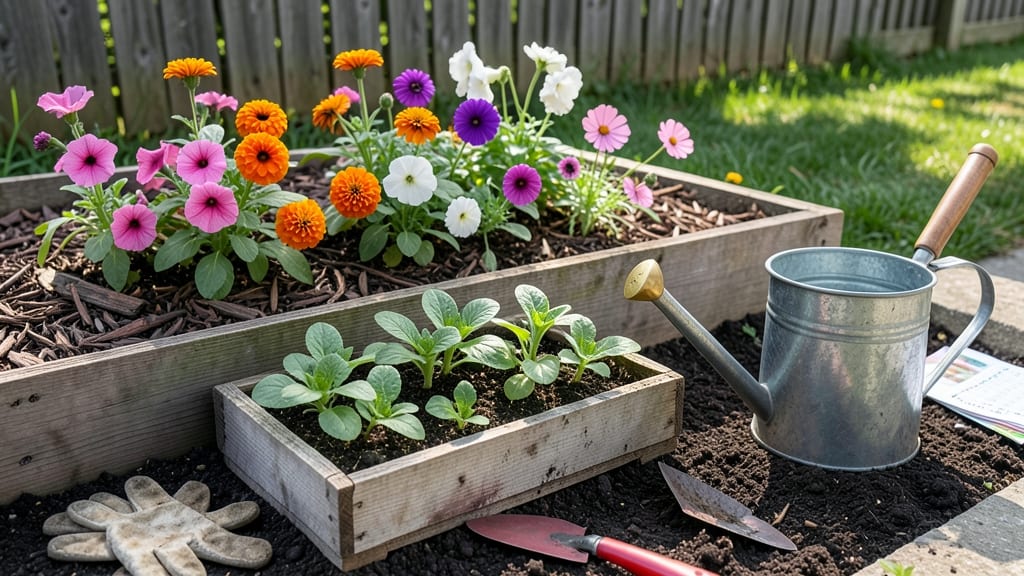
Timing your annuals planting in Colorado wrong could mean the difference between a garden bursting with 🌸 vibrant blooms and a sad, frost-bitten disappointment. Colorado’s dramatic elevation shifts—from the Front Range’s 5,000-foot valleys to the Western Slope’s sunbaked plains—create planting windows that can vary by hundreds of days.
If you’re used to planting based on calendar dates, you’ll quickly learn that Colorado’s microclimates demand a more flexible approach. For example, Denver’s last frost typically arrives around April 15, but in Grand Junction, you might be planting two weeks earlier—or risking heat stress in your heat-loving zinnias.
This guide cuts through the guesswork by breaking down the best times to start seeds indoors, direct-sow outdoors, and even extend your growing season with row covers. Whether you’re a first-time gardener or a seasoned pro, getting this timing right ensures your annuals thrive—not just survive.
Let’s dive into elevation-specific schedules, the 5 critical factors that shift your timeline, and the best annuals for Colorado’s short vs. long growing seasons. Your garden’s success starts with the right planting window!
Colorado’s annual planting zones by elevation: when to start seeds indoors vs. direct-sow outdoors
Colorado’s elevation-driven climate creates distinct planting zones, each with unique last frost dates and heat tolerance requirements. Whether you’re in the Front Range (5,000–7,000 ft), Western Slope (4,000–6,000 ft), or mountain regions (7,000+ ft), timing your annuals correctly ensures vibrant blooms all season.
Below, I’ll break down the indoor seed-starting and direct-sow windows for each zone, plus the best heat-loving and cold-hardy annuals to prioritize.
For example, Denver’s last frost typically falls around April 15, but in Aspen (8,000 ft), you might not see frost-free conditions until June 1. Meanwhile, Grand Junction (4,000 ft) can start planting zinnias or marigolds as early as March 15—a full month earlier than Denver.
These differences mean your petunias or geraniums could fail if planted too soon in high-altitude areas, while lowland gardens might need shade cloth to protect heat-sensitive varieties like impatiens.
Here’s how to align your schedule with Colorado’s microclimates, including when to start seeds indoors and when to direct-sow outdoors for each elevation zone:
| Zone | Avg. Last Frost | Indoor Seed Start (Weeks Before Last Frost) | Direct-Sow Outdoors | Heat-Loving Annuals | Cold-Hardy Annuals |
|---|---|---|---|---|---|
| Front Range (5,000–7,000 ft) | April 15–May 1 | 6–8 weeks before last frost (Feb 1–Mar 15) | April 20–May 10 | Zinnias, Marigolds, Sunflowers | Snapdragons, Sweet Alyssum, Pansies |
| Western Slope (4,000–6,000 ft) | March 15–April 1 | 4–6 weeks before last frost (Jan 15–Feb 15) | March 20–April 15 | Cosmos, Portulaca, Lantana | Calendula, Stock, Iceland Poppies |
| Mountain Regions (7,000+ ft) | May 15–June 1 | 8–10 weeks before last frost (Mar 1–Apr 1) | May 20–June 15 | Bachelor’s Buttons, Nasturtiums | Sweet Peas, Larkspur, Violas |
*Adjust timelines 1–2 weeks earlier for urban heat islands or microclimates near bodies of water.
If you’re starting seeds indoors, aim to transplant seedlings 2–3 weeks before your zone’s last frost date. For example, in Denver, that means transplanting petunias or geraniums around April 1. In high-altitude areas like Leadville, wait until May 15 to avoid frost damage.
Pro tip: Use grow lights to extend your indoor seed-starting window, especially for longer-season varieties like dahlias or nicotiana.
For direct-sowing, prioritize heat-loving annuals like zinnias or marigolds after soil temperatures reach 50°F. In low-elevation zones, this could be as early as March, while high-altitude gardens may need to wait until June.
Always check soil temp with a soil thermometer—cool soils can stunt seed germination, even for cold-hardy varieties like snapdragons.
One common mistake? Planting tender annuals like impatiens too early in lowland zones. These thrive in 60–90°F soil and can wilt or rot if exposed to spring frosts or cool nights.
Instead, wait until May 15 in Denver or June 1 in mountain regions to ensure success. For extended blooms, consider succession planting every 2–3 weeks after your last frost date.
For fall plantings, aim to direct-sow cool-season annuals like pansies or stock between August 15 and September 15. These varieties
5 Critical factors that shift your Colorado annual planting timeline (beyond elevation)
Colorado’s elevation-based planting charts are a great starting point, but your local microclimate can push those windows earlier or later by weeks. For example, a Denver urban garden might see spring arrive 10 days sooner than a rural Front Range plot due to heat island effects.
Meanwhile, a wind-swept Western Slope garden could face frost risks even after official last-frost dates.
Even soil temperature plays a bigger role than most gardeners realize. Some annuals, like marigolds, need soil at 55°F+ to germinate, while others, such as pansies, can handle cooler 40°F soil.
Testing with a soil thermometer (or pressing your hand into the ground—if it’s too cold for your comfort, it’s too cold for seeds) prevents wasted efforts.
Here’s where things get tricky: water availability can delay or accelerate planting. In drought-prone years like 2020, I planted heat-loving zinnias in early May instead of June to beat the dry spell.
Conversely, in El Niño years with extra moisture, I’ve extended fall plantings into November for cold-hardy kale and pansies.
🌱 5 Factors That Override Elevation Charts
- 🌡️ Soil Temperature: Use a thermometer—55°F+ for warm-season annuals, 40°F+ for cool-season.
- 🏙️ Microclimate: Urban areas warm 2–4 weeks earlier than rural zones.
- 💧 Water Access: Drought years? Plant drought-tolerant annuals (e.g., lantana) earlier.
- 🌬️ Wind Exposure: Sheltered spots can plant 2 weeks earlier than windy areas.
- 🌱 Plant Type: Cold-hardy annuals (e.g., snapdragons) vs. heat-lovers (e.g., sunflowers).
Don’t overlook season-extending tools like row covers or cold frames, which can push your planting window 3–4 weeks earlier in spring or 2–3 weeks later in fall.
I’ve used floating row covers to plant basil in late April in Denver (5,280 ft), shaving off a full month of waiting. For fall, a mini greenhouse lets me sow calendulas in early September instead of October.
Pro tip: Keep a gardening journal for 2–3 years to track how your local conditions shift planting windows. Note when frost dates arrive late or when unexpected heat waves hit.
For example, my 2023 journal showed June frost in Fort Collins—something no chart predicted. Adjusting for these anomalies ensures your annuals thrive despite Colorado’s unpredictable weather.
Finally, match your annual varieties to your adjusted timeline. Tender annuals like petunias need warm soil and consistent heat, while frost-tolerant types such as stock flowers can handle cooler starts.
Planting the wrong type at the wrong time? Your garden could end up a brown, wilted mess instead of a vibrant bloom parade.