
Watering
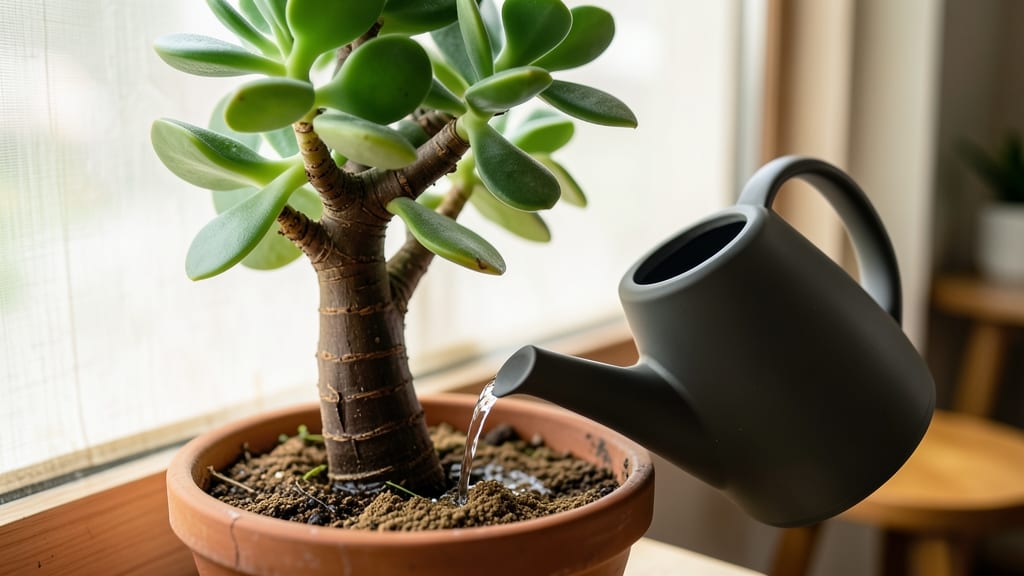
That wrinkled-leaf panic you get when your Jade Plant needs how much water and how often? You’re not alone—and the fix is simpler than you think. Most people overwater this drought-loving succulent, turning their living room into a swamp instead of a thriving jungle.
But here’s the game-changer: your Jade Plant doesn’t just need less water—it needs the right amount at the right time.
The key to keeping your Jade Plant happy isn’t guessing or following generic advice. It’s about understanding its natural rhythm: deep soaks followed by bone-dry spells between waterings.
Whether you’re a beginner or a seasoned plant parent, I’ll break down the exact schedule you need to avoid root rot while keeping those thick, glossy leaves you love.
Let’s start with the basics: how often to water, what to look for, and why your plant might be sending you SOS signals. No more second-guessing—just clear, actionable steps to transform your Jade Plant from struggling to stunning. Ready to master the art of watering without the worry?
By the end, you’ll know not just how much water your Jade Plant needs, but when to give it—and when to leave it alone. Trust me, your plant’s future depends on it.
Jade plant watering schedule by season: how often to water
Jade plants (Crassula ovata) thrive on consistency and drought tolerance, but their watering needs shift dramatically with seasonal changes. Unlike thirsty houseplants, jade plants store water in their thick leaves—soaking them too often leads to root rot, while underwatering causes wrinkled, shriveled leaves.
The key? A seasonal watering schedule that accounts for temperature, humidity, and daylight hours.
Most beginners overwater in spring and summer because they assume more sun means more moisture. But jade plants actually need less frequent watering when temperatures rise—their roots slow water absorption to prevent rot. In winter, their dormancy period means watering once every 4-6 weeks is often enough.
Let’s break down the exact schedule for each season, including soil tests and environmental adjustments to keep your plant happy.
Pro Tip: Always water deeply—until water drains from the bottom of the pot. Shallow watering encourages surface roots, which are the first to rot. Use a terracotta pot (it breathes better than plastic) and well-draining cactus/succulent mix to mimic their desert origins.
| Season | Watering Frequency | Soil Moisture Test | Environmental Notes |
|---|---|---|---|
| Spring | Every 2 weeks | Top 1-2 inches dry | New growth phase; increase light gradually |
| Summer | Every 3-4 weeks | Top 2-3 inches dry | High heat = slower water absorption; water early morning |
| Fall | Every 3 weeks | Top 1.5 inches dry | Cooling temps; reduce water as daylight shortens |
| Winter | Every 4-6 weeks | Top 3+ inches dry | Dormancy period; avoid watering if leaves are firm |
💧 Adjust for pot size: Smaller pots dry faster; larger pots hold moisture longer.
Temperature and humidity play a huge role in adjusting your schedule. If your home is dry (like 30% humidity), your jade plant will need water slightly more often than in a humid bathroom (50%+ humidity). Use a hygrometer to monitor levels—aim for 40-50% for optimal jade plant health. In hot climates, move your plant to a shadier spot (like an east-facing window) to reduce evaporation from the soil.
Light levels also affect watering. Jade plants in direct sunlight (like a south-facing window) will need water 10-15% less often than those in low-light corners. If you notice stretched, leggy growth, it’s a sign your plant needs more light, not more water. A grow light for 6-8 hours daily can save your jade plant from both overwatering and etiolation (weak, stretched stems).
Misting is a myth for jade plants—never spray their leaves! Their thick, waxy coating repels water, and moisture on leaves can lead to fungal spots. Instead, wipe leaves with a damp cloth every few months to remove dust, which helps them photosynthesize efficiently. This simple habit can reduce watering needs by up to 20% because cleaner leaves absorb more light.
Pot material matters. Terracotta pots wick away moisture faster than plastic, so jade plants in terracotta may need water every 10-14 days in summer, while plastic pots could stretch watering to 21 days. If you’re unsure, lift the pot—if it feels light, it’s time to water. If it’s heavy, wait another week. This weight test is the most reliable way to gauge moisture without tools.
Fertilizer affects thirst. During spring and summer, when you feed your jade plant with a balanced 5-10-10 fertilizer, it will drink slightly more because active growth increases water demand. Always water thoroughly before and after fertilizing to flush out excess salts, which can burn roots. In fall and winter, skip fertilizer entirely—your plant’s water needs drop by 50% during dormancy.
Signs of overwatering (like yellow leaves or mushy stems) often appear within 3-5 days of overdoing it. But underwatering can take weeks to show—wrinkled leaves and shriveled stems are late warnings. The best defense? Stick to the seasonal schedule and always check soil moisture before watering. Your jade plant will reward you with thick, glossy leaves and bushy growth for years to come.
Signs your jade plant needs water (vs. is overwatered)
Jade plants are masterful at storing water, which means they rarely show obvious thirst signs—until it’s almost too late. The key is learning to read between the wrinkles and soil clues.
I’ve lost count of how many jade plants I’ve nursed back from dehydration, only to watch them succumb later to overzealous watering. Let’s break down the critical differences between a plant begging for hydration and one drowning in excess moisture.
Start by checking the soil—this is your first line of defense. Stick your finger about 1-2 inches deep into the soil. If it feels completely dry, your jade plant is thirsty.
If it’s still slightly damp, wait another 3-5 days before watering. Remember, jade plants prefer to be underwatered slightly than overwatered—this is their survival instinct in the wild.
Visual cues are your next clues. Look for wrinkled or puckered leaves, which are classic signs of dehydration. These leaves will often feel lightweight and crispy to the touch. In contrast, an overwatered jade plant will have soft, mushy leaves that may even fall off with gentle pressure. The edges of leaves might also turn yellow or brown, a clear cry for help.
DO: Water When...
- Soil is bone-dry 1-2 inches deep
- Leaves feel wrinkled or shriveled
- Plant looks lighter in weight (lift the pot)
- Growth is slowing significantly
DON'T Water When...
- Soil is still slightly damp at 1 inch
- Leaves feel soft or mushy
- Pot feels heavy with water
- Yellowing or rotting at the base is visible
Another pro tip: lift your jade plant’s pot before watering. A dry pot will feel light as a feather, while one with excess moisture will be heavy and soggy.
This quick check saves countless jade plants from root rot every year. I swear by this method—it’s saved more of my plants than any fancy moisture meter ever could.
Seasonal changes also dramatically affect water needs. In summer’s heat, your jade plant might only need water every 3-4 weeks, while winter dormancy could stretch that to 6 weeks or more.
Always adjust based on your home’s humidity levels and light exposure. A sunny windowsill will dry out soil faster than a dim corner.
If you’re still unsure, observe your plant’s growth patterns. Healthy jade plants grow slowly but steadily, with thick, glossy leaves. Sudden leaf drop or stunted growth often signals water stress—either too much or too little.
Trust your instincts: if your jade plant looks unhappy or lethargic, it’s time to reassess your watering routine.
Remember, jade plants are forgiving but not infinite. With practice, you’ll develop an almost instinctive sense for when to water. Start with the soil test, then refine based on your plant’s unique responses.
Your jade plant will thank you with years of lush, vibrant growth—and maybe even a few lucky blooms! 🌱