
Plants
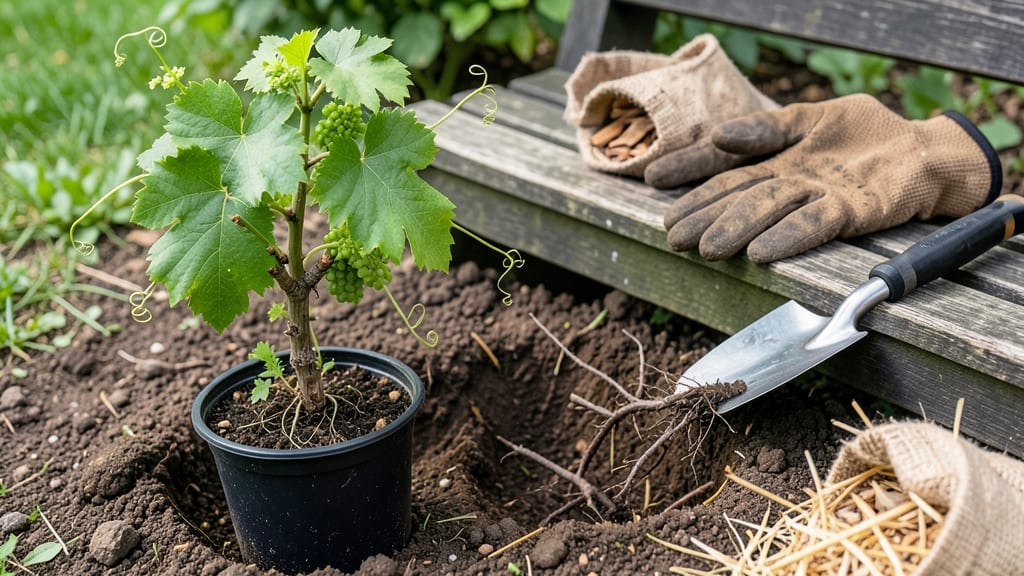
Timing your grapes 🍇 planting in Kentucky isn't just about the calendar—it's about dodging frost and giving your vines the perfect start. With USDA zones 6a-7a bringing unpredictable freezes, planting too early risks losing your entire crop, while waiting too long can stunt growth before summer's heat arrives.
Most Kentucky gardeners swear by the fall window (September-October) as the sweet spot, when soil stays warm but nights cool down. This dormant-season planting lets roots establish before winter, setting your vines up for explosive spring growth.
But if you miss that boat, early spring (February-April) works too—just be ready to protect tender shoots if frost sneaks back.
Local varieties like Norton and Cynthiana thrive with this timing, but container growers have extra flexibility. Whether you're planting in-ground or pots, the key is soil temperature—aim for 50°F+—and knowing your last frost date (around April 15 in most of the state).
I'll show you exactly how to read your climate zone's cues and adjust for Kentucky's microclimates.
Skip the guesswork: Learn the 3 critical deadlines that separate thriving vines from frost-killed failures. Plus, I'll reveal the one pre-planting step most Kentucky growers overlook that makes all the difference in vine health. Let's get those grapes growing right!
Kentucky’s frost-free planting windows by grape variety type
Kentucky’s USDA zones 6-7 create a delicate balance for grape planting—too early and frost zaps tender roots, too late and vines struggle to establish before winter.
The ideal window spans from late winter to early spring (February–April) or fall (September–October), but exact timing depends on your grape type and microclimate.
Native varieties like Norton (Cynthiana) and Scuppernong thrive in Kentucky’s climate, while wine grapes (e.g., Cabernet Franc) need extra care. Below, I’ve broken down the best planting months for each category, aligned with Kentucky’s last frost dates (mid-April) and first frost (early November).
🍇 Did You Know? Kentucky’s river valleys (e.g., Louisville) often experience 2–3 weeks earlier last frosts than highland areas (e.g., Eastern KY). Adjust your timeline accordingly!
For spring planting, aim to get vines in the ground 4–6 weeks before Kentucky’s last frost (mid-April). This gives roots time to establish before summer heat stress. Fall planting is ideal for bare-root vines—they’ll develop roots over winter and burst into growth early spring.
If you’re in Zone 6a (eastern KY), err on the side of late March planting to avoid frost. In Zone 7a (western KY), you can plant as early as February if soil temps are above 45°F. Always check your local Cooperative Extension Service for updated frost data.
Pro tip: Use a soil thermometer to confirm temps are consistently above 50°F before planting. Cold soil slows root growth and increases frost sensitivity. 🌱
Once planted, mulch heavily (4–6 inches of straw or wood chips) to insulate roots. This is especially critical for wine grapes, which are less cold-hardy than native varieties. In urban areas (e.g., Lexington), heat islands can delay frost—monitor local weather closely.
For container grapes, extend your planting window by 2–4 weeks in spring or fall. Containers absorb and retain heat better than in-ground soil, giving vines a head start. Just ensure pots have drainage holes to prevent root rot during Kentucky’s humid summers.
How to adjust planting time for Kentucky’s microclimates
Kentucky’s diverse geography—from the Appalachian highlands to the Ohio River valleys—creates microclimates that can shift your grapevine’s planting window by weeks. Urban areas like Louisville often experience heat islands, while rural Eastern Kentucky faces earlier frosts.
Adjusting for these variations means the difference between thriving vines and frost-killed shoots.
Start by checking your local last frost date, which can vary by 10-14 days across the state. For example, Lexington’s average last frost is April 10, while Paducah’s is April 20.
Use the National Weather Service’s frost calendar or ask your local Cooperative Extension office for precise data tailored to your county.
Soil temperature is another critical factor. Grapes need soil that’s at least 50°F (10°C) for root growth. In highland areas, soil warms slower, so wait until late April or early May even if frost risk seems low.
Use a soil thermometer to confirm—planting too early in cold soil stunts roots and invites disease.
Microclimate Type
Adjustment Needed
Best Planting Window
Urban Heat Islands (Louisville, Lexington)
Plant 2-3 weeks earlier (warmer microclimate)
Mid-March to early April
Highland Areas (Eastern KY)
Delay until soil reaches 55°F (13°C)
Late April to early May
River Valleys (Ohio River Basin)
Extend window 1 week later (warmer air)
Late March to mid-April
Northwest KY (Paducah)
Follow Paducah’s frost date (April 20)
Early April
Mulching is your best tool to extend the planting window. Apply a 4-inch layer of straw or wood chips around the base of your vine to insulate roots. This can delay frost damage by 1-2 weeks in early spring or protect young shoots in late fall.
Pair mulch with row covers for an extra layer of defense during unpredictable frost events.
For container-grown grapes, timing flexibility increases—but so does risk. Containers warm faster in spring, so plant 1-2 weeks earlier than in-ground vines. However, they also cool faster in fall, so move pots to a sheltered location or use black plastic pots to absorb heat and extend the growing season.
Emergency frost protection is a must for late-spring plantings. If frost is forecasted within 2 weeks of planting, cover young vines with frost cloth or row covers secured with bricks.
For established vines, overhead sprinklers create an insulating layer of ice—just ensure you turn them on before frost forms and keep them running until temperatures rise.
🌱