Plants
Timing your gladiolus planting in Colorado could mean the difference between a showstopping summer garden and a sad, frost-nipped disappointment. These striking 🌸 flowers need precise deadlines—miss them, and you’ll either risk early frost damage or wait too long for those dramatic blooms to appear.
With Colorado’s USDA Zones 5-7 and unpredictable spring weather, knowing when to plant isn’t just about the calendar—it’s about understanding your local microclimate.
Whether you’re in Denver’s Zone 5 or the warmer Zone 7 of southern Colorado, the right window ensures your gladiolus corms get a strong start before summer’s heat arrives.
Most gardeners in Colorado plant gladiolus between mid-April and early June, but that’s just the beginning. We’ll break down how to adjust for your specific elevation, soil conditions, and even whether starting with corms or seeds gives you the edge.
Ready to turn your garden into a bold summer spectacle?
Let’s dive into the exact deadlines, pro tips for extending your planting season, and the best varieties to thrive in Colorado’s unique climate—so you can enjoy those towering 4-5 foot blooms from August through September.
Colorado heat Zone 4 vs 5: exact gladiolus planting deadlines by region
Colorado’s gladiolus planting schedule hinges on two critical factors: your USDA Heat Zone and last frost dates. Zone 4 (Front Range) and Zone 5 (Southern Colorado) have different deadlines—missing them means frost damage or missed blooms. Let’s break down the exact windows for each zone.
For Zone 4 (Denver, Fort Collins, Boulder), your last frost date typically falls around May 1. This means you should plant gladiolus corms between April 15 and May 10 to ensure they establish roots before cold snaps.
In Zone 5 (Colorado Springs, Pueblo), where springs arrive earlier, you can start as early as April 1 and extend until May 15.
Soil temperature is just as critical as air temperature. Gladiolus corms need soil temps above 55°F to sprout. In high-altitude areas like Eagle County, wait until May 10—even if your zone is 5—to avoid cold soil delays.
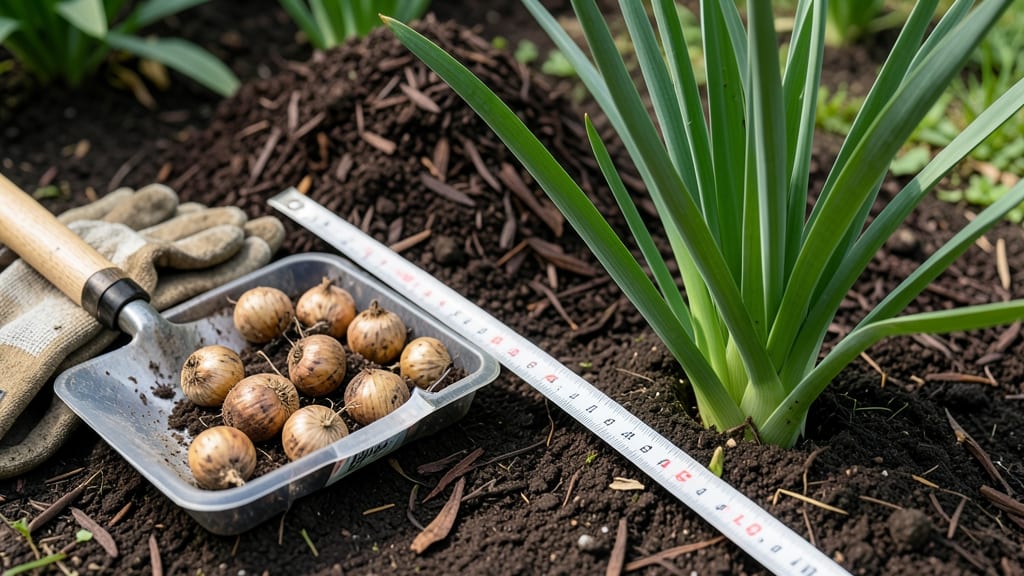
Here’s the non-negotiable rule: Plant gladiolus corms 4-6 inches deep, 6 inches apart, in well-draining soil. This spacing prevents rot and gives each plant room to grow its 4-5 foot stalks without competition.
Microclimates matter! If you’re in a low-lying urban area (like Denver’s South Platte Valley), you may plant 1-2 weeks earlier than high-altitude spots. Conversely, mountain foothills (e.g., Estes Park) demand a 2-week delay to avoid late frosts.
🌱Pro Tip: Use a soil thermometer to confirm temps before planting. If your soil is below 55°F, wait—gladiolus won’t thrive in cold soil.
Missed the spring window? Don’t panic! Gladiolus can also be planted in late summer (August) for a fall bloom. In Zone 4, aim for August 1–15; in Zone 5, extend to August 20.
This second planting lets you enjoy autumn blooms before the first frost hits.
For container gardeners in Denver’s urban areas, use black pots to absorb heat and plant 1 week earlier than ground planting. Containers also let you move plants to sheltered spots if frost warnings appear.
🌿Warning: Avoid planting gladiolus in wet soil. Poor drainage leads to corm rot, which can kill your plants. Amend heavy clay soil with compost or sand to improve drainage.
Finally, mark your calendar for October 15—this is when you’ll dig up and store gladiolus corms in Zone 4. In Zone 5, you can wait until November 1. Store corms in a cool, dry place (like a garage or basement) until next spring.
By following these zone-specific deadlines, you’ll ensure your gladiolus plants bloom boldly and reliably every season—no matter where in Colorado you garden. ✂️
How to extend your gladiolus season: cold hardening, mulching, and container hacks
Colorado’s short growing season and late spring frosts can cut your gladiolus blooms short—but with the right tricks, you can stretch that season by 3-4 weeks.
Whether you're in Denver’s Zone 4 or Colorado Springs’ Zone 5, these hacks will help you push planting dates earlier or keep blooms lasting longer.
First, cold hardening is your secret weapon for early planting. Start by placing corms in a cool, dark basement for 2-3 weeks before your target planting date.
This mimics winter conditions and triggers earlier growth. For example, if you’re aiming for mid-April planting in Denver, begin cold hardening in early March.
Next, protective mulching can shield young shoots from late frosts. Use straw or shredded leaves (6 inches deep) around newly planted corms. This insulates the soil and keeps roots 5-10°F warmer than ambient air.
In high-altitude areas like Boulder, where frosts linger until May, mulching can mean the difference between bare soil and blooming stalks.
🌱 3 Pro Tips to Extend Your Gladiolus Season
- Cold Harden Corms: Store corms at 35-40°F for 2-3 weeks before planting to jumpstart growth.
- Mulch Early: Apply 6 inches of straw after planting to protect from late frosts and retain moisture.
- Use Containers: Plant in black pots (absorbs heat) and move them to sheltered spots during cold snaps.
For urban gardeners in Denver or Fort Collins, container gardening is a game-changer. Black pots absorb heat, warming the soil 5-8°F faster than ground soil. Place containers near south-facing walls or under cloche covers on chilly nights. This lets you plant 2-3 weeks earlier than in-ground beds.
Don’t forget to harvest corms before frost. Once temperatures drop below 25°F, dig up corms, trim foliage to 2 inches, and store them in a cool, dry place (like a garage or basement) until next spring.
This ensures you’ll have healthy corms ready for next year’s early planting.
With these tricks, you can enjoy longer blooms and earlier plantings, turning Colorado’s short season into a gladiolus goldmine. Happy gardening! 🌸