
Flowers
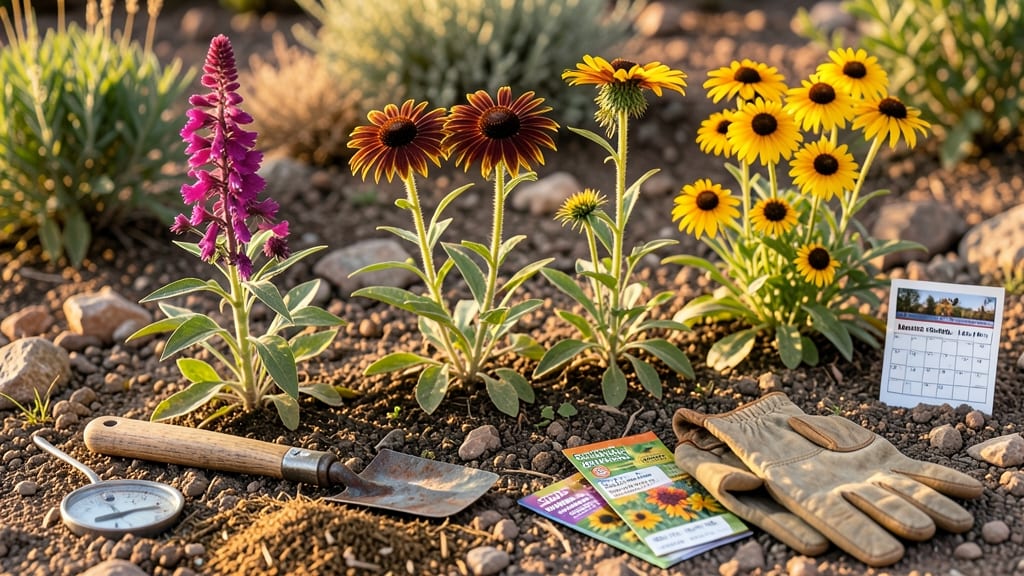
Timing your flowers planting in Colorado can make the difference between a showstopping garden and a sad, wilted disappointment—especially when frost dates and altitude shifts come into play.
With USDA zones 5-7 and microclimates that vary wildly from Denver’s Front Range to the Western Slope’s arid plains, there’s no one-size-fits-all answer.
Most gardeners in Colorado’s 5-7 zones swear by late April to mid-May for spring planting, once the soil warms to 60°F and the last frost has passed (usually around April 15 in Denver).
But if you’re gardening in the mountains or high-altitude areas, you might need to wait until early June or even July to avoid surprise freezes.
Want to maximize your blooms? I’ll break down the best planting windows for annuals, perennials, and bulbs—plus pro tips for adjusting to your specific elevation and microclimate. Whether you’re a first-time gardener or a seasoned green thumb, these insights will help you time it just right.
From Colorado’s 120-150 frost-free days to soil prep hacks for clay-heavy ground, we’ll cover everything you need to know to get your 🌸 flowers thriving year after year. Let’s get your garden calendar locked in!
Colorado’s flower planting timeline by altitude zone: lowlands vs. mountains
Colorado’s altitude variations create distinct planting zones, each with unique frost dates and growing seasons. Whether you’re in Denver’s lowlands or the Rocky Mountain foothills, timing is everything for vibrant blooms. Let’s break down the best windows for annuals, perennials, and bulbs based on elevation.
For lowland areas (3,000–6,000 ft), like Denver or Fort Collins, the last frost typically occurs around April 15. This means you can start planting cool-season flowers like pansies or snapdragons as early as March, while warm-season blooms (e.g., marigolds, zinnias) should wait until mid-May.
In foothills (6,000–9,000 ft), such as Boulder or Colorado Springs, frost lingers longer—expect April 20–May 1 for last frost. Here, spring bulbs (tulips, daffodils) thrive when planted in September–October, while summer annuals like petunias need to wait until late May.
High-altitude regions (9,000+ ft, like Aspen or Leadville) have shorter growing seasons. Last frost can stretch into May 15, so focus on hardy perennials (columbines, penstemons) and fast-maturing annuals. Fall planting (late August) is ideal for cool-season crops to beat early frosts.
| Zone | Altitude | Last Frost | Best Planting Window | Key Flowers |
|---|---|---|---|---|
| Lowlands | 3,000–6,000 ft | April 15 | March (cool-season) / Mid-May (warm-season) | Pansies, Marigolds, Zinnias |
| Foothills | 6,000–9,000 ft | April 20–May 1 | Late March (bulbs) / Late May (annuals) | Tulips, Petunias, Dahlias |
| High Altitude | 9,000+ ft | May 15 | Late April (perennials) / Late August (fall) | Columbines, Penstemons, Snapdragons |
Bulbs like tulips and daffodils should be planted in fall (September–October) across all zones to establish roots before winter. In lowland areas, you can even plant spring bulbs as late as November, but high-altitude gardeners should finish by October 1.
For annuals and perennials, soil temperature matters more than calendar dates. Wait until soil reaches 60°F—use a soil thermometer to check. In Denver, this usually aligns with mid-May, while Grand Junction may hit it by early April.
Pro tip: Use row covers or cold frames to extend your planting season in colder zones. This lets you start warm-season flowers like tomatoes or peppers 2–3 weeks earlier without frost risk. Just remove covers once nighttime temps stay above 50°F.
Fall planting (late August–early September) is perfect for cool-season flowers like asters, chrysanthemums, and pansies. These thrive with 6–8 weeks of cool weather before winter, giving you early spring blooms. High-altitude gardeners should prioritize hardy varieties like Alpine penstemons.
Remember: Colorado’s dry climate means mulching is critical. Apply 2–3 inches of mulch after planting to retain moisture and regulate soil temperature. This is especially important in lowland areas, where evaporation is higher.
🌸
Best flowers to plant in each Colorado season: spring, summer, and fall schedules
Colorado’s four distinct seasons create perfect windows for planting different flowers, but timing matters—especially with our variable frost dates. Spring brings cool-weather blooms, summer thrives with heat-lovers, and fall sets up next year’s perennial stars.
Let’s break it down by season so you can plan your garden like a pro.
For spring planting (March–May), focus on cool-season annuals like pansies and sweet peas, plus hardy perennials such as columbines and penstemons.
These love Colorado’s early-spring soil temps (40–50°F) and bloom before summer’s heat arrives. Bulbs like tulips and daffodils should go in by late fall, but spring is perfect for planting bare-root roses or daylilies.
| Season | Best Flowers | Planting Time | USDA Zones |
|---|---|---|---|
| Spring | Pansies, Sweet Peas, Tulips, Columbines, Penstemons | March–May (after last frost) | 4–7 |
| Summer | Marigolds, Zinnias, Dahlias, Sunflowers, Coneflowers | May–June (after soil warms to 60°F) | 5–7 |
| Fall | Chrysanthemums, Asters, Pansies, Calendulas, Bulbs (Tulips, Daffodils) | August–September (6 weeks before first frost) | 4–7 |
Summer (June–August) is your chance to plant heat-tolerant annuals like zinnias, marigolds, and sunflowers. These thrive in Colorado’s intense sunlight (6+ hours daily) and dry heat. Dahlias and cannas also love summer’s warmth but need well-draining soil to avoid root rot.
For perennials like coneflowers, late summer is ideal to establish roots before winter.
Don’t overlook fall planting (August–September)! This is the best time for cool-season blooms like asters and chrysanthemums, plus bulbs for next spring.
Planting in fall gives flowers time to develop strong roots before winter, and they’ll bloom earlier the following year. Pansies and snapdragons are great fall picks—they handle light frosts and add color to winter gardens.
Pro tip: Use mulch (2–3 inches) after planting to retain moisture and regulate soil temps. In Colorado’s dry climate, mulch is a game-changer for water conservation and weed control. Just avoid piling it against stems to prevent rot.
Whether you’re a first-time gardener or a seasoned pro, matching flowers to seasons ensures longer blooms and healthier plants. Start with native Colorado flowers like blanket flowers or beebalm for low-maintenance beauty, or go bold with dahlias and roses for show-stopping displays.