
Plants
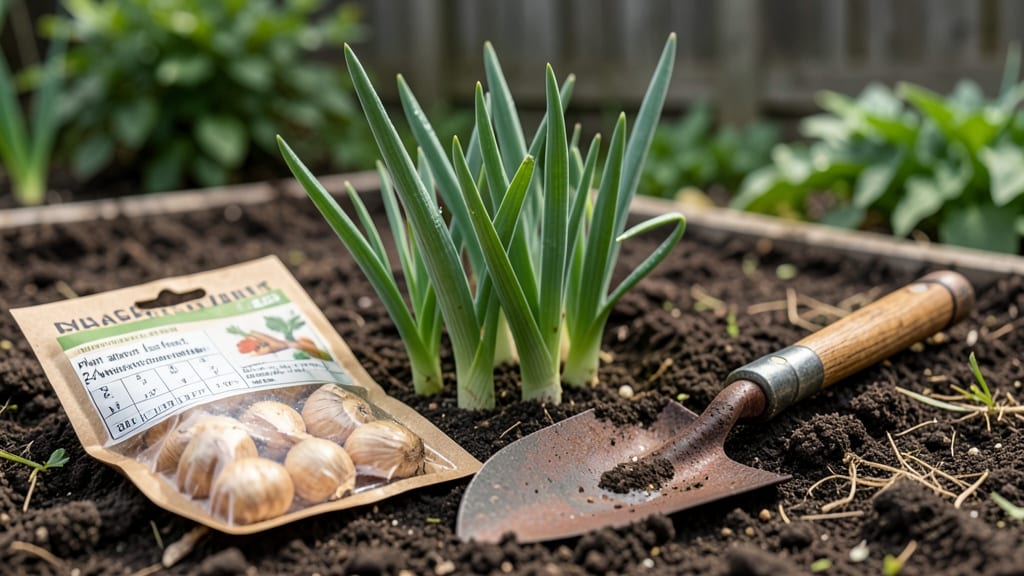
Timing when to plant these gladiolus bulbs in Pennsylvania can mean the difference between stunning 🌸 blooms and wasted effort. With USDA zones ranging from 5b to 7a, getting those bulbs in the ground too early risks frost damage, while planting too late cuts your blooming season short.
Most gardeners in the Keystone State wait until mid-April to mid-May, but that window shifts depending on your microclimate. Urban areas like Philadelphia often experience later frosts than rural zones, so knowing your last average frost date is the key to success.
I'll walk you through exactly when to plant in each zone, plus pro tips for extending your Gladiolus season. Whether you're in Pittsburgh's cooler hills or Lancaster's warmer valleys, you'll get the perfect schedule for longer, healthier blooms.
Ready to transform your garden with these dramatic 5-foot-tall flowers? Let's dive into the ideal planting timeline that works for Pennsylvania's unpredictable spring weather.
Pennsylvania gladiolus planting deadlines by hardiness Zone (5-7)
Timing your gladiolus bulb planting in Pennsylvania hinges on your USDA hardiness zone and last-frost averages. Most of the state falls in zones 5b through 7a, where a late spring frost can still strike after April 15.
To avoid frozen corms, aim to plant 4-6 weeks before your area's average last frost—typically mid-April to early May.
Soil temperature also matters: gladiolus corms need consistent 55°F+ soil to sprout. In Zone 5, wait until mid-May if early soil stays cold. Meanwhile, Zone 7 gardeners can plant as early as late March in sheltered microclimates.
Penn State Extension data shows Pittsburgh (Zone 6a) averages its last frost on April 22, while Philadelphia (Zone 7a) sees frost-free conditions by April 10.
Here’s your zone-by-zone planting timeline, including soil temp thresholds and frost risks:
| Zone | Last Frost Avg. | Planting Window | Soil Temp Threshold | Risk if Planted Late |
|---|---|---|---|---|
| 5b (e.g., Erie, State College) | May 5 | Late April–early May | 55°F+ (consistent) | Frozen corms, delayed blooms |
| 6a (e.g., Harrisburg, Allentown) | April 22 | Mid-April–mid-May | 55°F+ (consistent) | Light frost damage to new shoots |
| 7a (e.g., Philadelphia, Lancaster) | April 10 | Late March–early May | 50°F+ (minimum) | Minimal risk; early planting extends season |
For urban gardeners in cities like Pittsburgh or Scranton, microclimates near buildings or south-facing walls can push planting back 1-2 weeks later.
Conversely, rural areas like central PA farmland may experience earlier soil warming, allowing planting as soon as soil hits 55°F—even if frost is still possible.
Pro tip: Use a soil thermometer to confirm readiness. If your soil is below 50°F, delay planting to avoid rotten corms. In Zone 5, consider row covers for early plantings to protect against late frosts.
Adjust your schedule if you’re aiming for cut flowers. Planting 2 weeks earlier in Zone 7 (late March) ensures blooms by July 4th, while Zone 5 gardeners should plant mid-May for August festivals. Staggered plantings every 2 weeks can extend your blooming window by 6-8 weeks.
Watch for false springs—those unseasonably warm spells in March that trick you into planting too early. If temperatures drop below 32°F after planting, cover corms with mulch or straw to insulate them. Remember, gladiolus corms are not cold-hardy and won’t survive winter in the ground.
For container growing, plant 2-3 weeks later than in-ground plantings, as pots warm up slower. Use black plastic pots to absorb heat and speed up soil warming. In Zone 6, this means aiming for early May instead of mid-April.
If you miss the ideal window, don’t panic—gladiolus can still be planted through June for late-summer blooms. However, expect shorter stems and fewer flowers if planted after mid-June. For maximum impact, stick to the zone-specific deadlines above and pair planting with compost-rich soil and full-sun locations.
How to time gladiolus planting for longer blooms in PA’s short season
Pennsylvania’s short growing season and late spring frosts can cut gladiolus blooms short—but smart timing extends your flowers by 3-4 weeks. The key? Staggered planting and microclimate adjustments to protect tender corms. I’ve planted gladiolus for years in Zone 6, and these tricks work every time.
Start by planting in batches every 2-3 weeks from mid-April through early June. This ensures continuous blooms from July through September, even if an unexpected frost hits. For example, plant early varieties in late April, then mid-season types in May, and late bloomers in June.
🌱 Pro Tip: Use black plastic mulch to warm soil faster and protect corms from late frosts (common in PA’s valleys). This raises soil temps by 5-10°F, giving you a 2-week head start on growth.