
Plants
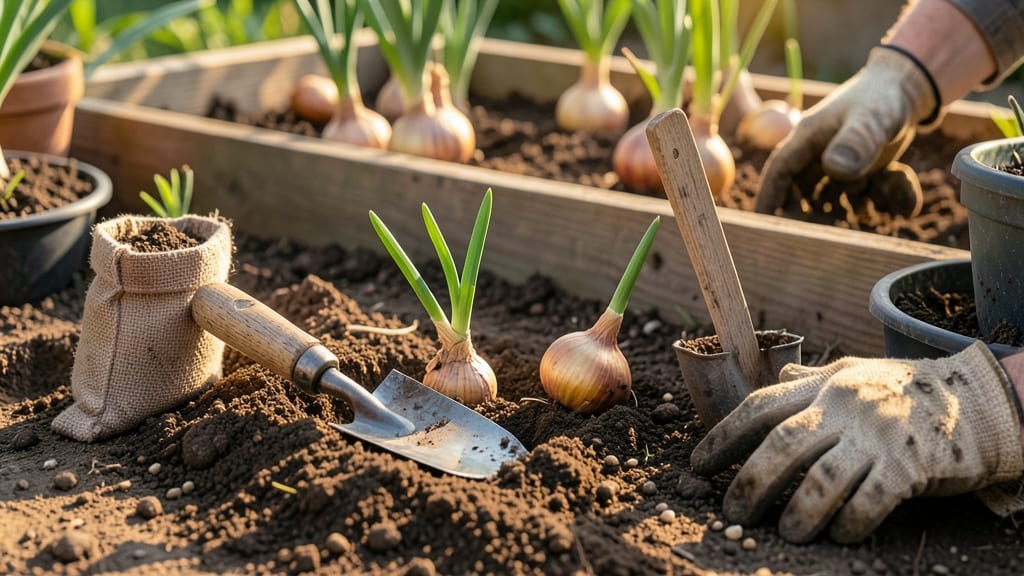
Timing your gladiolus bulb planting in Chicago can mean the difference between a showstopping summer garden and a disappointing flop. With USDA Zone 5b-6a weather that swings from late frosts to scorching summers, getting those corms in the ground at the right moment is everything.
Most gardeners wait until after the last frost—typically mid-April to early May—but soil temperature matters just as much. Planting too soon in cold soil can stunt growth, while waiting too long risks missing the prime bloom window.
I’ll break down the exact frost-free window and soil temp cues you need to nail it every time.
Beyond timing, Chicago’s clay-heavy soil and unpredictable weather demand smart prep. From bulb depth to mulching strategies, I’ll share the pro tips that keep your 🌸 gladiolus thriving from planting through harvest.
Whether you’re a first-time gardener or a seasoned pro, these insights will help you avoid common mistakes and enjoy vibrant blooms from July to September.
Gladiolus aren’t perennials in Chicago’s climate, so knowing when to plant—and how to care for them—is key to maximizing your garden’s impact. Let’s get those corms in the ground the right way, so you can enjoy tall, dramatic blooms that turn heads all summer long.
Chicago’s ideal gladiolus planting window: frost-free dates & soil temperature guide
Gladiolus bulbs (or corms) need consistent warmth to thrive, making Chicago’s frost-free window your golden ticket for success. Unlike hardy perennials, gladiolus are tender bulbs that won’t survive frost, so timing is everything.
The average last frost date in Chicago is around April 15, but soil temperature is just as critical—wait until it hits 60°F (15°C) at least 6 inches deep.
Planting too early risks cold damage or rot, while waiting too long may shorten bloom time. For peak summer blooms (July-September), aim to plant 2-3 weeks after your last frost.
This typically lands in late May to early June for most Chicago suburbs, though downtown areas may warm up slightly earlier.
🌱
Chicago’s USDA Zone 5b-6a means we’re on the northern edge of gladiolus’ comfort zone. While they’re not perennial in our climate, treating them as annuals (digging up corms in fall) gives you better control over timing.
Pro tip: Use a soil thermometer to confirm warmth—surface temps can be misleading after cool nights.
For extended bloom seasons, consider succession planting: install new corms every 2-3 weeks through June. This staggering technique ensures continuous flowers from July through September, even if Chicago’s summer weather throws curveballs. Just remember—gladiolus hate soggy soil, so prioritize well-draining beds or raised areas.
One common mistake is planting based on air temperature alone. Even when daytime highs reach 70°F, nighttime lows can still dip into the 40s°F range. Use row covers or plant near south-facing walls to create microclimates that warm up faster.
These tricks buy you 1-2 extra weeks of planting flexibility when spring lingers.
🌿
If you’re new to gladiolus, start with small batches of 3-5 corms to test your timing. These dramatic spikes of color grow 3-5 feet tall, making them perfect for cut flowers or bold garden statements.
Just give them 6+ hours of sun daily—they’ll reward you with vibrant blooms that last 1-2 weeks per stem when cut fresh.
For container gardeners, plant corms in large pots (at least 12 inches deep) with drainage holes. These can be moved to protected spots if frost threatens, giving you more flexibility than in-ground plantings. Just remember: gladiolus roots are shallow, so avoid deep containers that restrict growth.
💧
How to adjust planting time for Chicago’s microclimates & late frosts
Chicago’s microclimates can shift planting windows by 2-3 weeks, especially near Lake Michigan or in urban heat pockets. If you’re in Zone 5b (like northern suburbs), late frosts can linger until May 15, while downtown areas may warm up 10 days earlier.
Always check the National Weather Service for your specific last frost date—it’s your best guide.
For lake-effect zones (e.g., Evanston, Rogers Park), cooler air off the water can delay soil warming. Test soil temperature with a thermometer—gladiolus corms need 60°F+ for root growth. If your soil is still chilly, wait 1-2 weeks or use black plastic mulch to warm it faster.
🚨 WARNING: Planting too early risks corm rot from lingering moisture and cold. If you’re unsure, opt for late May planting—gladiolus are forgiving and will still bloom beautifully if given enough time to establish roots.
⚠️ Late Frost Risk in Chicago
Urban areas (warmer): April 20–May 5 (safe after May 10).
Suburbs (moderate): May 1–May 15 (safe after May 20).
Northern suburbs (cooler): May 10–May 25 (safe after May 30).
Lake-effect zones (delayed): May 15–June 1 (safe after June 5).
Use cold-hardening techniques if you’re eager to plant early. Chill corms in the fridge for 4–6 weeks before planting to mimic winter dormancy. This trick can help them survive light frosts (down to 28°F) if planted in early May.
Mulch heavily with straw or shredded leaves to insulate corms and protect against late spring dips. Aim for a 3-inch layer—this adds 5–10°F of insulation. Remove mulch once shoots emerge to prevent rot from excess moisture.
For backup planting dates, keep corms in a cool, dark place (like a garage) until mid-June. Gladiolus planted in early summer will still produce late-season blooms, though they may be slightly shorter. Just ensure they get full sun and consistent watering.
Pro tip: Plant early varieties (like ‘Picasso’) first in late May, then follow with mid-to-late season types (like ‘Black Pearl’) in early June. This staggered approach extends your bloom time from July to September—perfect for Chicago’s short summer.